Running costs
Aston Martin DB11 running costs: what UK ownership really costs
Aston Martin DB11 UK running costs: fuel or electric, insurance group, road tax, servicing and depreciation.
Updated 4th September 2026 DVSA data: Across 2,068 recorded MOT tests, 4.6% failed.
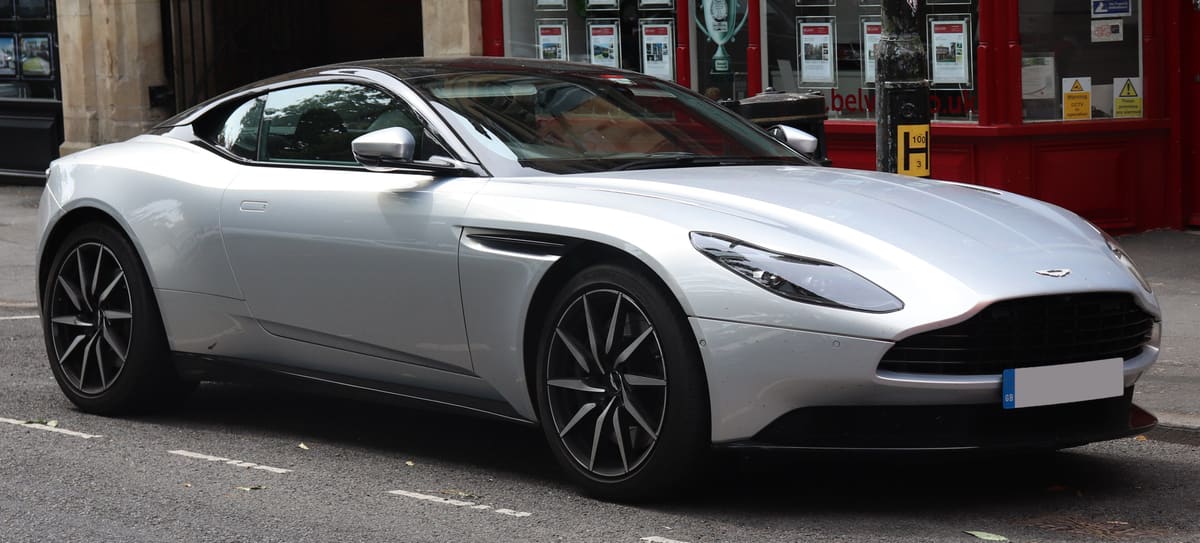
The Aston Martin DB11 boasts a blend of luxury and performance, but its running costs can be significant.
Fuel Costs
The Aston Martin DB11 is equipped with a powerful 4.0-litre twin-turbo V8 engine, which delivers impressive performance but at a cost.
Regular use of the DB11 for daily commutes or long-distance travel can lead to substantial fuel expenses. It’s advisable for potential owners to factor in these costs when budgeting for ownership. Additionally, driving style and conditions can greatly affect fuel efficiency, so a more conservative approach can help mitigate costs.
Insurance Group
The insurance group for the Aston Martin DB11 is notably high, sitting at group 50. This classification reflects the vehicle’s luxury status and performance capabilities, which can lead to higher premiums.
It’s crucial for prospective buyers to shop around for insurance quotes, as prices can vary significantly between providers. Some insurers may offer specialised policies for high-performance vehicles, which could provide better coverage options tailored to the DB11. Additionally, maintaining a clean driving record can help lower insurance costs over time.
Road Tax
The Aston Martin DB11 falls into the higher tax bands due to its emissions figures. This can be a considerable expense for owners, especially in the first year when the vehicle’s emissions are assessed.
It’s important to note that road tax rates are subject to change, and potential buyers should stay informed about any updates to legislation that may affect ownership costs. Additionally, owners may want to consider the environmental impact of their vehicle and explore options for more eco-friendly driving habits to mitigate their carbon footprint.
Servicing Intervals
Aston Martin recommends servicing the DB11 every 10,000 miles or annually, whichever comes first. This regular maintenance is essential to ensure the vehicle operates at peak performance and to uphold warranty conditions.
Owners should also consider the cost of replacement parts, which can be significantly higher for luxury vehicles. Using an authorised Aston Martin service centre is advisable to maintain the vehicle’s integrity and resale value. Keeping a detailed service history can also be beneficial when it comes time to sell or trade in the vehicle.
Depreciation
Depreciation is a key factor in the total ownership cost of the Aston Martin DB11. On average, luxury vehicles like the DB11 can depreciate by 40-50% over a three-year period. This steep decline in value is influenced by factors such as market demand, mileage, and overall condition of the vehicle.
Potential buyers should be aware that while the DB11 offers a prestigious driving experience, it may not retain its value as well as some other brands. However, limited editions or well-maintained models can hold their value better than standard versions. Keeping the vehicle in excellent condition and maintaining a comprehensive service history can help mitigate depreciation effects.
Overall Ownership Costs
When considering the overall ownership costs of the Aston Martin DB11, it’s essential to factor in fuel, insurance, road tax, servicing, and depreciation.
For those who appreciate the blend of luxury and performance that the DB11 offers, these costs may be justified by the driving experience. However, potential buyers should carefully assess their financial situation and consider whether the ongoing expenses align with their budget and lifestyle.
Aston Martin DB11 recall record
4 recalls have been issued for the Aston Martin DB11, between 2017 and 2020.
CERTAIN FIXINGS ON THE FRONT SEAT AIR BAG MAY NOT HAVE BEEN TIGHTENED TO THE CORRECT TORQUE
R/2020/280Issued 12 October 2020
Certain fixings on the front seat airbag may not have been �tightened� to the correct torque.
Remedy:Examine the front seat airbag fixings and if necessary secure the fixings.
Affects cars built Aug 2016 to May 2019
THE VEHICLES MAY NOT HAVE HAD THEIR PASSENGER AIRBAG FIXINGS TIGHTENED TO THE CORRECT TORQUE
R/2019/396Issued 19 November 2019
Vehicles may not have had their passenger airbag fixings �tightened� to the correct torque specification
Remedy:Examine the passenger airbag fixings and if necessary secure the fixings.
Affects cars built Nov 2017 to Feb 2019
INADVERTANT AIRBAG DEPLOYMENT
R/2018/023Issued 23 January 2018
When combined with a damaged steering column control module clock spring and insufficient grounding of the steering column an electrostatic discharge may lead to an inadvertent deployment of the driver's airbag. Drivers will be alerted to a potential fault by the airbag warning in the instrument cluster and an additional warning message.
Remedy:On affected vehicles install a contact bridge and a contact spring that will provide a suitable ground for the steering column.
Affects cars built Nov 2015 to Oct 2017
TYRE PRESSURE MONITORING SYSTEM INCORRECTLY SET
R/2017/209Issued 13 July 2017
The Tyre Pressure Monitoring System (TPMS) on the affected vehicles was calibrated incorrectly and as a result does not illuminate the low tyre pressure warning tell-tale at the required minimum activation pressure.
Remedy:Recalibrate the TPMS on affected vehicles.
Affects cars built Nov 2016 to Jun 2017
A recall applies to a build range, not to every car of this model. Check a registration to see whether one specific vehicle has an outstanding recall.
Aston Martin DB11 MOT record
From 2,068 recorded MOT tests, 4.6% failed.
| Registered | Tests | Failed | Median mileage |
|---|---|---|---|
| 2020 | 249 | 5.2% | 14,392 mi |
| 2019 | 512 | 6.5% | 16,815 mi |
| 2018 | 622 | 4.5% | 19,957 mi |
| 2017 | 685 | 3.2% | 23,605 mi |
Most common reasons for failure
- A tyre seriously damaged47.4%
- Tyre tread depth not in accordance with the requirements36.1%
- Windscreen washers not working or not providing sufficient fluid to clear the windscreen16.5%
Figures cover every Aston Martin DB11 tested in the DVSA dataset, not this specific car. Check a registration for the actual history of one vehicle.
Frequently asked questions
What is the average fuel consumption of the Aston Martin DB11?
The Aston Martin DB11 typically offers a fuel consumption of around 25 to 30 miles per gallon, depending on driving conditions and style.
How much does insurance cost for an Aston Martin DB11?
Insurance costs for the Aston Martin DB11 can vary widely, but you can expect to pay a premium due to its luxury status. It's advisable to get quotes from multiple insurers to find the best deal.
Are there any common maintenance issues with the DB11?
While the Aston Martin DB11 is generally reliable, some owners have reported issues with electrical components and software updates. Regular maintenance can help mitigate these problems.
What are the road tax costs for an Aston Martin DB11?
Road tax for the Aston Martin DB11 is based on CO2 emissions, and it can be relatively high compared to standard vehicles. It's best to check the current rates based on the specific model year.
What is the warranty coverage for a new Aston Martin DB11?
A new Aston Martin DB11 usually comes with a three-year warranty, which covers most parts and labour. It's important to review the warranty details for any exclusions.
How does depreciation affect the running costs of a DB11?
Depreciation can significantly impact the running costs of an Aston Martin DB11, as luxury vehicles tend to lose value faster than standard cars. It's wise to consider this when budgeting for ownership.
Sources
- DVSA anonymised MOT tests and results (Open Government Licence v3.0)
- DVSA vehicle safety recalls (Open Government Licence v3.0)