Reliability
BMW 4 Series reliability: how dependable is it really?
What BMW 4 Series owners actually report, by year, plus what MOT data tells us about its reliability.
Updated 23rd June 2026 DVSA data: Across 96,245 recorded MOT tests, 15.0% failed.
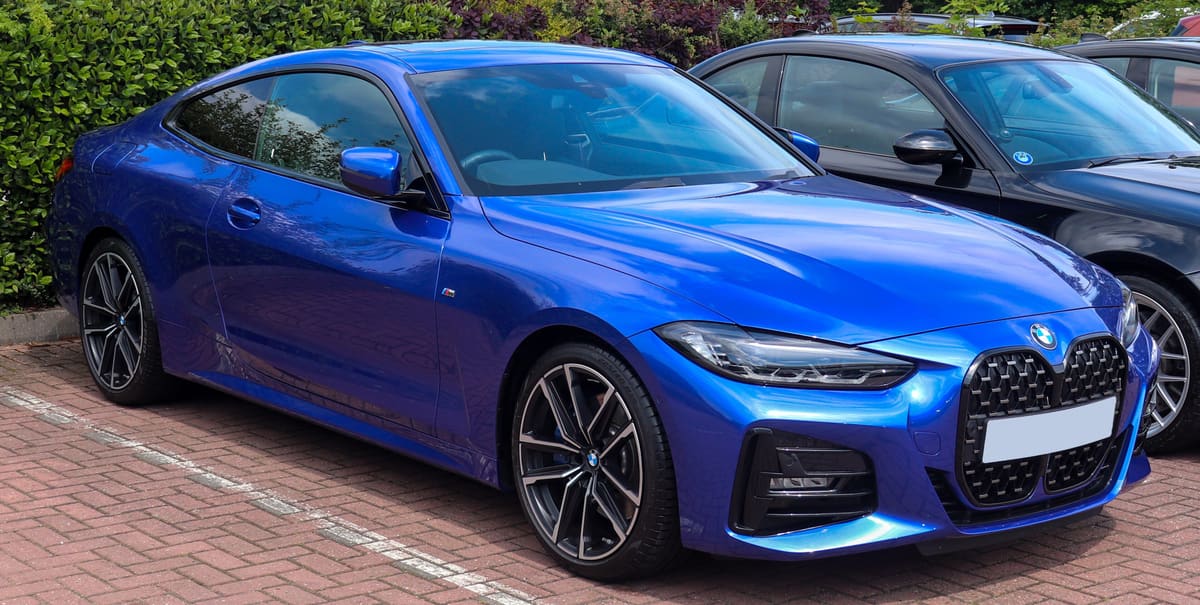
The BMW 4 Series is generally regarded as a reliable vehicle, offering a blend of performance and luxury. However, its dependability can vary by model year, with some years showing more issues than others. Understanding these nuances can help potential buyers make informed decisions.
Overview of BMW 4 Series Reliability
The BMW 4 Series, introduced in 2013, has garnered a reputation for solid engineering and performance. However, reliability can fluctuate based on the specific model year and engine options. Overall, many owners report satisfaction with their vehicles, but some years have faced more challenges than others.
Factors such as engine type, technology features, and maintenance history play significant roles in overall dependability.
2013-2015: Early Models and Initial Concerns
The first generation of the BMW 4 Series, produced from 2013 to 2015, experienced some reliability concerns, particularly related to electronic components and engine performance. While many owners enjoyed their vehicles, reports of minor faults were not uncommon.
Issues reported during this period included problems with the infotainment system and occasional engine misfires. However, these concerns were generally manageable and did not deter many buyers. Regular servicing and attention to software updates can mitigate some of these early issues.
2016-2018: Improvements and Enhanced Reliability
The 2016-2018 models of the BMW 4 Series saw improvements in reliability, with many owners reporting fewer issues compared to earlier years. BMW addressed some of the common faults that plagued the initial models, resulting in a more dependable vehicle.
The introduction of updated technology and improved engine options contributed to this enhanced reliability. Owners noted that the newer models offered better fuel efficiency and performance, making them a more attractive option for those seeking a luxury coupe without compromising on dependability.
2019-2021: A Shift Towards Dependability
As the BMW 4 Series evolved into its later years, the 2019-2021 models demonstrated a marked shift towards greater reliability. The incorporation of advanced engineering and quality control measures led to a reduction in reported faults.
During this period, the vehicles benefitted from updated safety features and improved infotainment systems, which were generally well-received. The DVSA MOT data indicates that these models have performed admirably during inspections, further solidifying their reputation for reliability.
2022 Onwards: The New Generation and Future Outlook
The latest generation of the BMW 4 Series, launched in 2022, continues to build on the dependability established by its predecessors. With a focus on sustainability and advanced technology, these models are designed to meet the demands of modern drivers.
Early reports suggest that the 2022 model has maintained the brand’s commitment to quality, with few significant issues reported. As with any new model, it is essential to monitor ongoing reliability feedback as more vehicles hit the road and accumulate mileage.
Maintenance and Care: Key to Reliability
Regardless of the model year, regular maintenance plays a crucial role in the reliability of the BMW 4 Series. Adhering to the manufacturer’s service schedule can help prevent common issues and extend the vehicle’s lifespan.
Owners should pay particular attention to the engine oil, brake fluid, and coolant levels, as well as ensuring that software updates are performed. Investing in quality parts and using authorised service centres can also contribute to the overall dependability of the vehicle.
Owner Experiences: Real-World Reliability
Owner feedback is invaluable when assessing the reliability of the BMW 4 Series. Many drivers report positive experiences, highlighting the vehicle’s performance, comfort, and overall driving pleasure. However, some have noted specific issues, particularly with older models.
Common concerns include electronic glitches and wear on certain components, such as suspension parts. While these issues can arise, many owners emphasise that regular maintenance and prompt attention to minor faults can significantly enhance the vehicle’s reliability.
The BMW 4 Series remains a popular choice among luxury coupe enthusiasts, and understanding its reliability across different model years can aid potential buyers in making informed decisions.
BMW 4 Series recall record
18 recalls have been issued for the BMW 4 Series, between 2017 and 2026.
Replace the Engine Starter Motor
R/2026/054Issued 2 March 2026
The Safety Recall relates to the engine starter motor. The fault relates to the RSW22 starter RWT (reinforced water tightness). It was found that with RWT starters an increased abrasion of the magnetic contact can cause the growth of deposits at the lowest point of the relay interior. This in turn may increase the relay contact resistance resulting in false starts or even causing short circuits and possibly a thermal reaction. In case of a short circuit the possibility of a thermal event cannot be excluded. This may happen while attempting to start the vehicle or while driving due to vibrations causing a short circuit due to moving deposits.
Remedy:On the affected vehicles the starter motor will be replaced with a variant by another supplier with a different design. Until the repair has been completed it is recommended to not leave the vehicle running unattended after starting the engine.
Affects cars built Aug 2020 to Nov 2022
Takata Driver and/or Passenger Airbag Recall (Global VINs)
R/2025/349Issued 18 December 2025
Affected vehicles are already included in Safety Recalls within the markets they have previously resided in. The vehicles may be fitted with a driver and/or passenger airbag/s which if deployed may do so with excessive force causing sharp metal fragments to be released this may cause serious injury which could prove fatal to people in the vicinity.
Remedy:Vehicles will have the affected airbags checked and if necessary replaced.
Affects cars built Mar 2014 to Oct 2017
Replace the Engine Starter Motor
R/2025/405Issued 27 October 2025
For affected vehicles there is a concern involving water ingress and corrosion to the starter motor for where a short circuit cannot be ruled out. It is strongly recommended to park the vehicle outdoors and not in the immediate vicinity of buildings until the repair has been carried out.
Remedy:Replacement of the starter motor.
Affects cars built Dec 2019 to Jul 2020
Screw Connection of the Power Supply
R/2025/407Issued 6 October 2025
On affected vehicles the screw connection on the B+ power distributor in the vehicle's boot may have not been properly tightened.
Remedy:On affected vehicles the connections will be reworked.
Affects cars built Jul 2025 to Jul 2025
14 older recalls not shown.
A recall applies to a build range, not to every car of this model. Check a registration to see whether one specific vehicle has an outstanding recall.
BMW 4 Series MOT record
From 96,245 recorded MOT tests, 15.0% failed.
| Registered | Tests | Failed | Median mileage |
|---|---|---|---|
| 2021 | 408 | 9.8% | 34,458 mi |
| 2020 | 3,820 | 11.8% | 38,032 mi |
| 2019 | 10,075 | 13.5% | 47,163 mi |
| 2018 | 15,356 | 13.0% | 55,686 mi |
| 2017 | 16,972 | 13.5% | 67,299 mi |
| 2016 | 18,050 | 14.5% | 77,676 mi |
| 2015 | 17,821 | 17.1% | 84,909 mi |
| 2014 | 12,230 | 19.3% | 89,477 mi |
Most common reasons for failure
- Tyre tread depth not in accordance with the requirements39.0%
- A tyre seriously damaged23.9%
- a brake lining or pad worn below 1.5mm14.5%
- A tyre cords visible or damaged11.5%
- Brake disc or drum excessively weakened, insecure or fractured11.1%
Figures cover every BMW 4 Series tested in the DVSA dataset, not this specific car. Check a registration for the actual history of one vehicle.
BMW 4 Series official figures
Median across 21 variants on sale, petrol, petrol electric.
- Combined economy
- 40.3 mpg
- WLTP median across variants
- CO2 emissions
- 159 g/km
- Sets the first-year tax rate
Official figures for new cars. Real economy varies with driving, load and conditions.
Frequently asked questions
How reliable is the BMW 4 Series compared to other luxury cars?
The BMW 4 Series generally ranks well in reliability compared to other luxury vehicles. Many owners report a positive experience with minimal issues over time.
What common problems should I look out for in a used BMW 4 Series?
Common issues include electrical faults, problems with the cooling system, and wear on suspension components. It's advisable to have a thorough inspection before purchasing.
Are BMW 4 Series expensive to maintain?
Maintenance costs for the BMW 4 Series can be higher than average, especially for parts and servicing. Regular maintenance is essential to keep it running smoothly.
What is the warranty coverage for a new BMW 4 Series?
A new BMW 4 Series typically comes with a three-year warranty, covering most repairs and defects. Extended warranties may also be available for added peace of mind.
How does the BMW 4 Series perform in reliability surveys?
The BMW 4 Series often scores well in reliability surveys conducted by various automotive organisations. Owners frequently highlight its performance and build quality.
Is the BMW 4 Series a good choice for long-term ownership?
Many owners find the BMW 4 Series to be a solid choice for long-term ownership due to its durability and driving experience. Regular servicing can enhance its longevity.
What should I consider when buying a second-hand BMW 4 Series?
When buying second-hand, check the service history, look for any signs of wear, and consider having a pre-purchase inspection. This can help avoid potential reliability issues.
Do BMW 4 Series models have good resale value?
The BMW 4 Series tends to hold its value well compared to some other luxury brands. Factors such as condition, mileage, and service history can influence resale value.
Sources
- DVSA anonymised MOT tests and results (Open Government Licence v3.0)
- VCA new car fuel consumption and emissions data (Open Government Licence v3.0)
- DVSA vehicle safety recalls (Open Government Licence v3.0)