Common problems
BMW 7 Series common problems and reliability issues
Honest rundown of the most common BMW 7 Series faults, what to watch for, and how to keep one running well.
Updated 23rd June 2026 DVSA data: Across 16,585 recorded MOT tests, 12.8% failed.
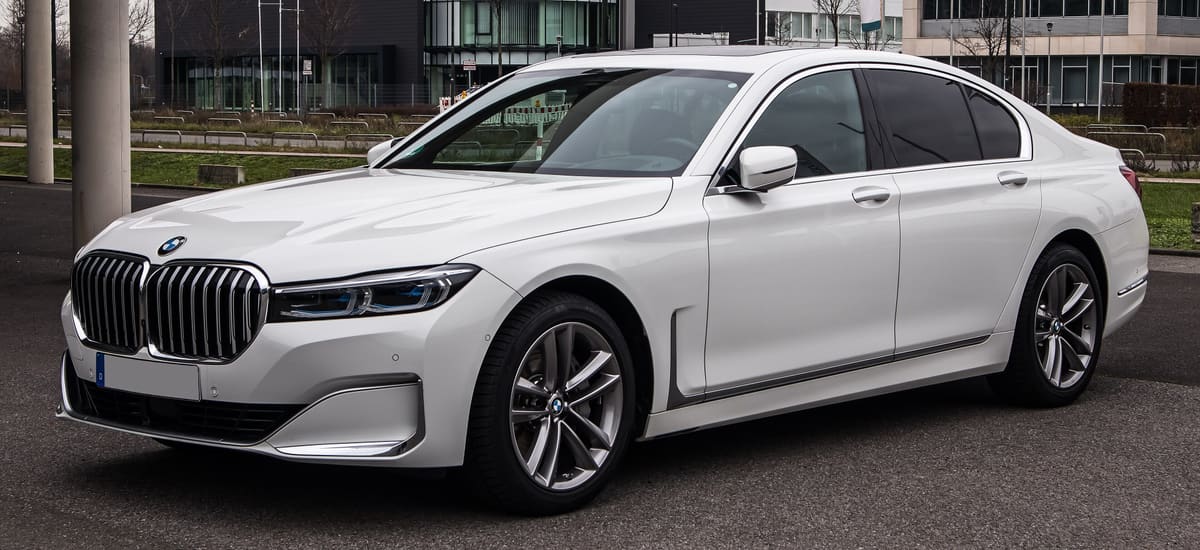
The BMW 7 Series is a luxury saloon known for its performance and comfort, but it is not without its issues. Common problems include electrical faults, air suspension failures, and engine-related concerns.
Electrical Issues
Electrical problems are among the most frequently reported faults in the BMW 7 Series. Owners often experience issues with the infotainment system, dashboard warning lights, and battery drain. These faults can stem from faulty wiring or software glitches.
The complex electrical systems in the 7 Series can lead to intermittent faults, making diagnosis challenging. Owners may find that the car’s features, such as the navigation system or climate control, malfunction unexpectedly. Regular software updates and thorough inspections can help mitigate these issues.
Air Suspension Failures
The air suspension system in the BMW 7 Series provides a smooth ride but is known for its potential failures. Common symptoms include a sagging rear end or a warning light on the dashboard. These problems often arise from leaks in the air bags or issues with the compressor.
Replacing faulty components can be costly, and neglecting air suspension issues may lead to further complications. Regular checks of the suspension system can help identify problems early, ensuring a comfortable driving experience and preventing more extensive repairs down the line.
Engine Problems
Engine-related issues are another area of concern for the BMW 7 Series. Owners have reported problems such as oil leaks, coolant leaks, and issues with the timing chain. These faults can lead to significant engine damage if not addressed promptly.
Regular maintenance, including oil changes and inspections, is crucial for preventing engine problems. Some models may also benefit from upgraded components to enhance reliability. Keeping an eye on engine performance and addressing any unusual noises or smells can help catch issues early.
Transmission Concerns
Transmission problems can affect the driving experience of the BMW 7 Series. Owners may notice rough shifting, slipping gears, or delayed engagement. These issues can be attributed to low transmission fluid levels, worn components, or software malfunctions.
Regular transmission fluid changes and inspections can help prolong the life of the transmission. If problems persist, a thorough diagnostic check is essential to identify the root cause and prevent further damage. Addressing transmission issues early can save owners from costly repairs.
Cooling System Failures
The cooling system in the BMW 7 Series is vital for maintaining engine temperature. Common issues include radiator leaks, water pump failures, and thermostat malfunctions. Overheating can lead to severe engine damage if not addressed promptly.
Regular checks of the cooling system can help prevent these issues. Owners should keep an eye on coolant levels and watch for signs of leaks. Addressing cooling system problems early can help maintain engine performance and prevent costly repairs.
Brake System Problems
The brake system is critical for safety, and the BMW 7 Series is no exception. Common problems include worn brake pads, issues with the brake calipers, and problems with the electronic parking brake. These issues can lead to reduced braking performance and increased stopping distances.
Regular inspections of the brake system are essential to ensure safety. Owners should be vigilant for warning signs, such as squeaking noises or a spongy brake pedal. Addressing brake issues promptly can help maintain vehicle safety and performance.
BMW 7 Series recall record
46 recalls have been issued for the BMW 7 Series, between 1999 and 2026.
Checking and re-securing the air-conditioning wiring harness
R/2026/092Issued 17 March 2026
The Safety Recall relates to the air-conditioning wiring harness located behind the dashboard. On the affected vehicles the wiring harness was fixed very close to a screw connection on the interior microfilter housing cover. The microfilter of the air conditioning system will be regularly replaced as part of the oil service. It cannot be ruled out that cables may be damaged when replacing the microfilter during a workshop visit. The filter cover has to be removed from the lower part of the instrument panel. After replacing the filter the cover has to be refitted at which point the wires may become damaged or trapped. If the wiring harness is damaged this could lead to malfunctions of the air conditioning system as well as to a short circuit. In case of a short circuit a sensor may overheat while the vehicle is in operation. As a result smoke may develop from the instrument panel and subsequently a fire cannot be ruled out.
Remedy:On the affected vehicles the air-conditioning wiring harness will be checked repaired if necessary and re-secured in a modified fixing.
Affects cars built Jul 2022 to Apr 2025
Replace the Engine Starter Motor
R/2025/405Issued 27 October 2025
For affected vehicles there is a concern involving water ingress and corrosion to the starter motor for where a short circuit cannot be ruled out. It is strongly recommended to park the vehicle outdoors and not in the immediate vicinity of buildings until the repair has been carried out.
Remedy:Replacement of the starter motor.
Affects cars built Aug 2016 to Feb 2019
Hydraulic Brake System Unit Replacement
R/2024/414Issued 24 October 2024
On affected vehicles the brake servomotor was improperly welded. The weld seam might not withstand the stresses caused under high brake pressure leading to a requirement for a higher brake effort increasing the braking distance.
Remedy:Affected vehicles will have the hydraulic unit of the brake system replaced.
Affects cars built Apr 2024 to Jun 2024
Replace Double Universal Joint (Steering)
R/2024/409Issued 21 October 2024
On affected vehicles there may have been a deviation in the production of the double universal joint on the steering column. Certain steering movements could result in the component failing.
Remedy:Affected vehicles will have the double universal joint replaced.
Affects cars built Jun 2024 to Sept 2024
42 older recalls not shown.
A recall applies to a build range, not to every car of this model. Check a registration to see whether one specific vehicle has an outstanding recall.
BMW 7 Series MOT record
From 16,585 recorded MOT tests, 12.8% failed.
| Registered | Tests | Failed | Median mileage |
|---|---|---|---|
| 2022 | 390 | 5.4% | 41,539 mi |
| 2021 | 620 | 7.1% | 50,170 mi |
| 2020 | 867 | 6.7% | 49,432 mi |
| 2019 | 1,636 | 7.2% | 58,506 mi |
| 2018 | 1,535 | 8.6% | 68,487 mi |
| 2017 | 1,625 | 10.0% | 74,736 mi |
| 2016 | 1,458 | 8.8% | 82,086 mi |
| 2015 | 717 | 13.0% | 92,296 mi |
Most common reasons for failure
- A suspension pin, bush or joint excessively worn30.7%
- Tyre tread depth not in accordance with the requirements29.6%
- A tyre seriously damaged17.8%
- Fluid leaking excessively and likely to harm the environment or to pose a safety risk to other road users11.8%
- Brake pipe damaged or excessively corroded10.0%
Figures cover every BMW 7 Series tested in the DVSA dataset, not this specific car. Check a registration for the actual history of one vehicle.
BMW 7 Series official figures
Median across 8 variants on sale, electricity / petrol.
- CO2 emissions
- 74 g/km
- Sets the first-year tax rate
Official figures for new cars. Real economy varies with driving, load and conditions.
Frequently asked questions
What are the most common issues with the BMW 7 Series?
Common issues include electrical problems, air suspension failures, and oil leaks. Some owners also report issues with the infotainment system.
How reliable is the BMW 7 Series?
The BMW 7 Series is generally considered a luxury vehicle with good performance, but it can have reliability concerns. Regular maintenance is crucial to keep it running smoothly.
Are there any known problems with the BMW 7 Series engine?
Some BMW 7 Series models have reported issues with engine oil consumption and timing chain problems. It's advisable to check the service history for any engine-related repairs.
What should I look for when buying a used BMW 7 Series?
When buying a used BMW 7 Series, check for service history, signs of wear on the air suspension, and any electrical faults. A thorough vehicle inspection is recommended.
Is the BMW 7 Series expensive to maintain?
Maintenance costs for the BMW 7 Series can be higher than average due to its luxury components. Regular servicing and using genuine parts can help manage costs.
How can I prevent common problems with my BMW 7 Series?
To prevent common problems, ensure regular servicing, keep an eye on fluid levels, and address any warning lights promptly. Staying on top of maintenance can extend the vehicle's lifespan.
What are the signs of air suspension failure in the BMW 7 Series?
Signs of air suspension failure include a noticeable drop in ride height, a bumpy ride, or warning lights on the dashboard. If you notice these symptoms, it is best to have it checked by a professional.
Sources
- DVSA anonymised MOT tests and results (Open Government Licence v3.0)
- VCA new car fuel consumption and emissions data (Open Government Licence v3.0)
- DVSA vehicle safety recalls (Open Government Licence v3.0)