MOT failure rates
Dacia Spring MOT failure rates: what to expect
What fails on a Dacia Spring at MOT, how often, and what each fix typically costs.
Updated 4th September 2026
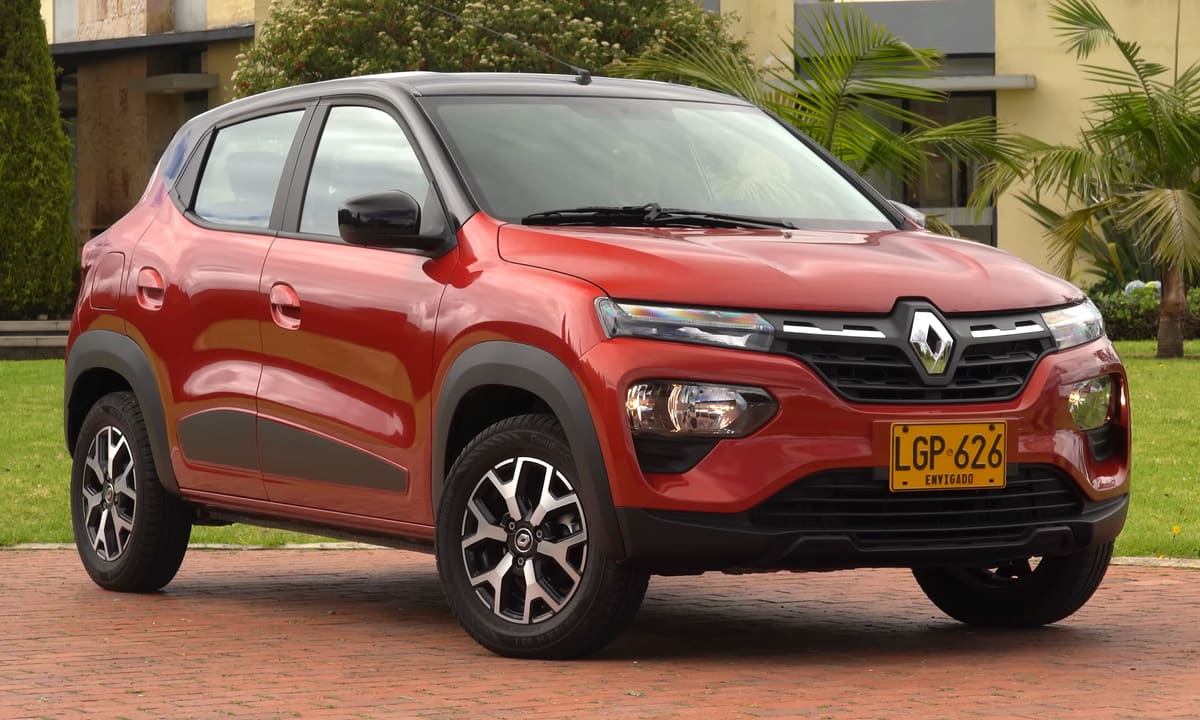
The Dacia Spring is a compact electric vehicle that has gained popularity in the UK. Common problems include issues with lights, brakes, and suspension components. Fixing these problems can vary in cost, so understanding what to expect is essential for owners.
Common MOT Failures in the Dacia Spring
The most frequent reasons for MOT failures in the Dacia Spring include lighting issues, brake performance, and suspension problems. According to DVSA MOT data, these areas are often highlighted during inspections. Addressing these issues promptly can help ensure your vehicle passes its MOT.
Lighting Issues
Lighting problems are among the top reasons for MOT failures in the Dacia Spring. Common faults include blown bulbs, misaligned headlights, or defective indicators. These issues can usually be identified during a pre-MOT check.
Fixing lighting issues typically involves replacing bulbs or adjusting the headlight alignment.
Brake Performance
Brakes are critical for safety, and any issues can lead to an MOT failure. Common brake-related problems in the Dacia Spring include worn brake pads, disc wear, or fluid leaks. Regular maintenance can help prevent these issues from escalating.
Ensuring your brakes are in good condition before the MOT can save you time and money.
Suspension Problems
Suspension components, such as shock absorbers and springs, can wear out over time, leading to MOT failures. Symptoms of suspension issues may include excessive bouncing, uneven tyre wear, or knocking noises when driving over bumps.
Repairing or replacing suspension components can vary significantly in cost. Regular checks can help identify these issues early, potentially avoiding costly repairs.
Tyre Condition
Tyres are another common area of concern during an MOT. The Dacia Spring must have tyres that meet legal tread depth requirements and are free from significant damage. Worn or damaged tyres can lead to an automatic failure.
Replacing tyres can vary in cost based on brand and size. Regularly checking your tyres for wear and maintaining proper pressure can help you avoid MOT failures related to tyre condition.
Emissions Testing
Although the Dacia Spring is an electric vehicle and does not produce traditional exhaust emissions, it is still subject to certain environmental checks during the MOT. Any issues with the battery or electrical systems that affect performance can lead to a failure.
If the vehicle’s battery is not holding a charge or there are issues with the electric motor, repairs can be costly. Regular servicing can help maintain battery health and performance.
Bodywork and Structural Integrity
While not as common, issues with bodywork and structural integrity can also lead to MOT failures. Rust, corrosion, or damage to the chassis can be flagged during the inspection. These issues may arise from poor maintenance or exposure to harsh weather conditions.
Repairing bodywork can vary widely in cost. Keeping your vehicle clean and protected from the elements can help prevent these issues from developing.
Understanding the common MOT failures associated with the Dacia Spring can help owners prepare for inspections and avoid unexpected repair costs. Regular maintenance and pre-MOT checks can significantly improve the chances of passing the test, ensuring your vehicle remains safe and roadworthy.
Dacia Spring recall record
1 recall has been issued for the Dacia Spring, in 2025.
A risk of loss of Steering
R/2025/490Issued 17 November 2025
For certain vehicles there is a risk of rupture of the steering rack when subjected to high mechanical stress which could lead to loss of control and risk of an accident. Customers are requested to immediately stop driving their vehicles.
Remedy:Replacement of the steering rack.
Affects cars built Jul 2024 to Aug 2024
A recall applies to a build range, not to every car of this model. Check a registration to see whether one specific vehicle has an outstanding recall.
Dacia Spring official figures
Median across 26 variants on sale, electricity.
- Electric range
- 140 miles
- Manufacturer WLTP figure
Official figures for new cars. Real economy varies with driving, load and conditions.
Frequently asked questions
What is the Dacia Spring mot?
The Dacia Spring mot refers to the Ministry of Transport test that checks the vehicle's safety and roadworthiness. It is required for all vehicles over three years old in the UK.
How often do I need to get my Dacia Spring mot?
You need to get your Dacia Spring mot every year once it reaches three years old. It is essential to ensure your vehicle remains safe to drive.
What happens if my Dacia Spring fails the mot?
If your Dacia Spring fails the mot, you will receive a list of issues that need to be addressed. You must fix these problems and have the vehicle retested before it can be legally driven.
Can I drive my Dacia Spring if the mot has expired?
No, you cannot legally drive your Dacia Spring if the mot has expired. You must have a valid mot certificate to drive on public roads.
How can I prepare my Dacia Spring for the mot?
To prepare your Dacia Spring for the mot, check the lights, brakes, tyres, and fluid levels. It is also a good idea to ensure the vehicle is clean and free of any warning lights on the dashboard.
Where can I get my Dacia Spring mot done?
You can get your Dacia Spring mot done at any authorised mot testing centre in the UK. Many garages and dealerships offer this service.
Is there a grace period for renewing my Dacia Spring mot?
There is no official grace period for renewing your Dacia Spring mot. It is best to have it renewed before the expiry date to avoid any legal issues.
What documents do I need for my Dacia Spring mot?
You will need to bring your vehicle logbook (V5C) and any previous mot certificates. It's also helpful to have any service history available.
Sources
- VCA new car fuel consumption and emissions data (Open Government Licence v3.0)
- DVSA vehicle safety recalls (Open Government Licence v3.0)