MOT failure rates
DS 4 MOT failure rates: what to expect
What fails on a DS 4 at MOT, how often, and what each fix typically costs.
Updated 4th September 2026
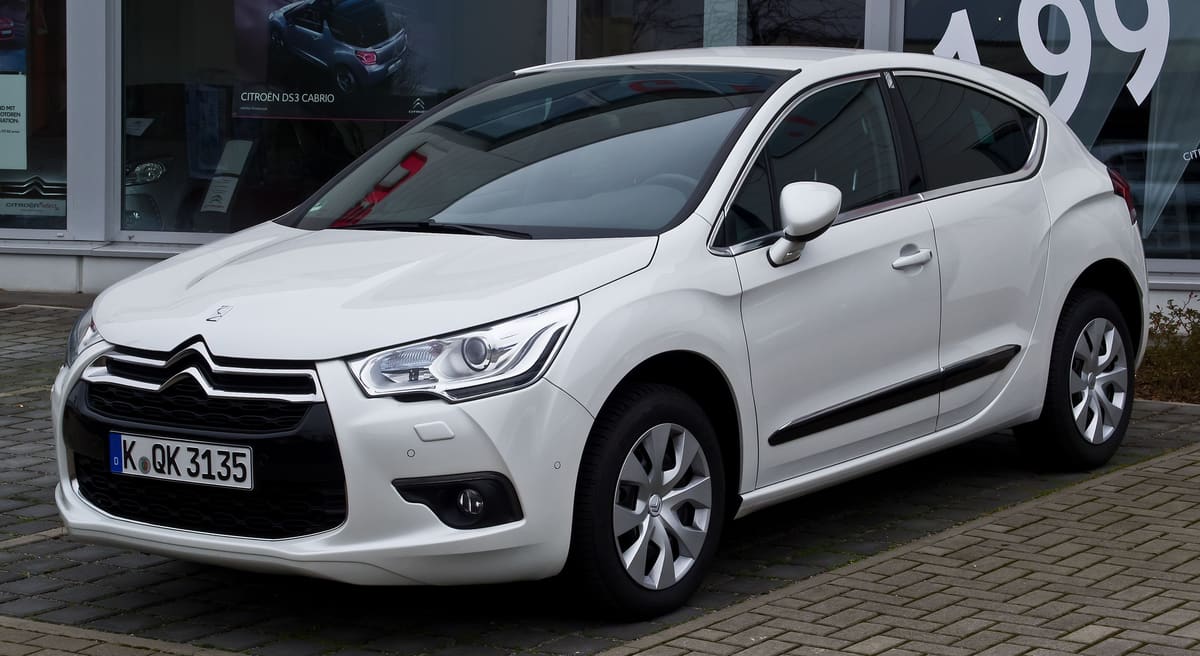
The DS 4 commonly fails its MOT due to issues with tyres, brakes, lighting, suspension components, and emissions. Testers check for tread depth, brake efficiency, correct lighting operation, worn suspension parts, and exhaust emissions. Owners can spot many faults beforehand by inspecting tyres for wear, checking brake responsiveness, ensuring all lights work, listening for suspension noises, and watching for warning lights.
Tyres: Tread Depth and Condition
Tyres are the most frequent cause of MOT failure on the DS 4. The tester checks that all tyres have a minimum tread depth of 1.6mm across the central three-quarters of the tyre’s breadth and around the entire circumference. They also look for damage such as cuts, bulges, or exposed cords.
Owners should visually inspect their tyres regularly, looking for uneven wear patterns, bald patches, or sidewall damage. Running a 20p coin into the tread grooves can help estimate depth; if the outer band of the coin is visible, the tread is too shallow. Tyres with uneven wear might indicate alignment or suspension issues that also need attention.
Replacing tyres involves removing the wheel, deflating the old tyre, and fitting a new one onto the rim before balancing it. Balancing prevents vibrations at speed and uneven wear. Tyre replacement also requires checking the spare tyre if fitted, as it must meet the same legal requirements.
Brakes: Efficiency and Wear
Brake problems are another common MOT failure point on the DS 4. The tester measures brake efficiency using a roller brake tester, ensuring the braking force is balanced between wheels and meets minimum stopping power. They also check for worn brake pads, discs, and any fluid leaks.
Owners can spot brake issues by noting any squealing or grinding noises when braking, a spongy or low brake pedal feel, or longer stopping distances. Visual checks can reveal worn pads through the wheel spokes or fluid leaks around brake components.
Brake repairs typically involve replacing worn pads and sometimes discs. The mechanic will remove the wheels, dismantle the brake caliper, and fit new pads. If discs are worn or warped, they must be replaced or resurfaced. Brake fluid may also need flushing and replacement to maintain hydraulic performance.
Lighting: Function and Alignment
Lighting faults often cause MOT failures on the DS 4. Testers check all exterior lights including headlights, indicators, brake lights, fog lights, and number plate illumination. They ensure bulbs are working, lenses are not cracked or obscured, and headlights are correctly aligned.
Owners should regularly check that all lights illuminate when activated and that indicators flash at the correct speed. A quick walk around the car before driving can catch blown bulbs. Headlight alignment can be tested by observing the beam pattern on a wall at night or by a garage using specialised equipment.
Fixing lighting faults usually means replacing bulbs or fuses. If lenses are cracked or faded, they may need cleaning or replacement to ensure proper light output. Headlight alignment requires adjustment screws to be turned to aim the beam correctly, which is important for safe night driving and passing the MOT.
Suspension: Wear and Damage
Suspension components on the DS 4 are checked for wear, damage, and security during the MOT. Testers look for worn shock absorbers, broken springs, damaged bushes, and loose or corroded parts. They also check for excessive play in ball joints and other linkages.
Owners may notice suspension issues through a bouncy or harsh ride, uneven tyre wear, or knocking noises over bumps. Visual inspection can reveal leaking shock absorbers, sagging springs, or cracked rubber bushes.
Repairing suspension faults involves replacing worn shocks or springs, fitting new bushes, and tightening or replacing any loose or corroded parts. This work requires lifting the vehicle safely and sometimes specialised tools to compress springs or press out bushes. Proper suspension repair restores ride comfort, handling, and safety.
Emissions: Exhaust and Engine Management
Emission failures on the DS 4 arise from excessive exhaust smoke or failed emissions tests during the MOT. Testers measure pollutants such as carbon monoxide and hydrocarbons to ensure the vehicle meets legal limits. They also check for exhaust leaks and the condition of emission control components.
Owners might notice excessive smoke from the exhaust, a rough idle, or warning lights on the dashboard indicating engine or emissions faults. Regular servicing and using quality fuel can help keep emissions within limits.
Repairs can involve replacing faulty oxygen sensors, catalytic converters, or exhaust components. Sometimes engine tuning or cleaning the fuel system is necessary. Exhaust leaks require welding or replacing sections of the pipework. Addressing emissions faults improves air quality and helps the vehicle pass the MOT.
Additional Checks: Seat Belts and Bodywork
While less common, seat belt faults and body corrosion can also cause MOT failures on the DS 4. Testers ensure seat belts operate correctly, retract smoothly, and lock securely. They also inspect the body for excessive corrosion that could affect structural integrity.
Owners should check that all seat belts fasten and release properly and that no fraying or damage is present. Bodywork should be inspected for rust bubbles, holes, or sharp edges, especially around wheel arches and sills.
Repairs to seat belts may involve replacing worn or damaged belts or fixing retractor mechanisms. Corrosion repair can range from sanding and treating rust spots to welding in new metal panels. Maintaining these areas preserves safety and vehicle longevity.
DS 4 official figures
Median across 6 variants on sale, electricity, electricity / petrol, petrol electric.
- Combined economy
- 48.3 mpg
- WLTP median across variants
- CO2 emissions
- 132 g/km
- Sets the first-year tax rate
- Electric range
- 145 miles
- Manufacturer WLTP figure
Official figures for new cars. Real economy varies with driving, load and conditions.
Frequently asked questions
What is the DS 4 mot?
The DS 4 mot refers to the Ministry of Transport test for the DS 4 vehicle. It checks the car's safety, roadworthiness, and emissions to ensure it meets UK standards.
How often do I need to get my DS 4 mot?
In the UK, your DS 4 must have an mot test every 12 months once it is three years old. It's important to keep up with this requirement to ensure your vehicle is legal to drive.
What happens if my DS 4 fails the mot?
If your DS 4 fails the mot, you will receive a list of issues that need to be fixed. You must address these problems and have the car retested before you can legally drive it.
Can I drive my DS 4 if the mot has expired?
No, you cannot legally drive your DS 4 if the mot has expired, unless you are driving it to a pre-booked mot appointment. Driving without a valid mot can result in fines and penalties.
How can I prepare my DS 4 for the mot?
To prepare your DS 4 for the mot, ensure all lights are working, check tyre tread and pressure, and top up fluids. It may also be helpful to have a mechanic inspect the vehicle beforehand.
Where can I get my DS 4 mot done?
You can get your DS 4 mot done at any authorised mot testing centre in the UK. Many garages and dealerships offer this service, so you can choose one that is convenient for you.
What documents do I need for the mot test?
You should bring your DS 4's logbook (V5C) and any previous mot certificates if available. It's also helpful to have your insurance details and any service history.
Sources
- VCA new car fuel consumption and emissions data (Open Government Licence v3.0)