Top fixes
Top Ford Fiesta fixes every owner should know
Cheap, practical fixes for the Ford Fiesta faults you actually meet, with rough costs and what a garage will charge.
Updated 4th September 2026 DVSA data: Across 1,348,184 recorded MOT tests, 27.2% failed.
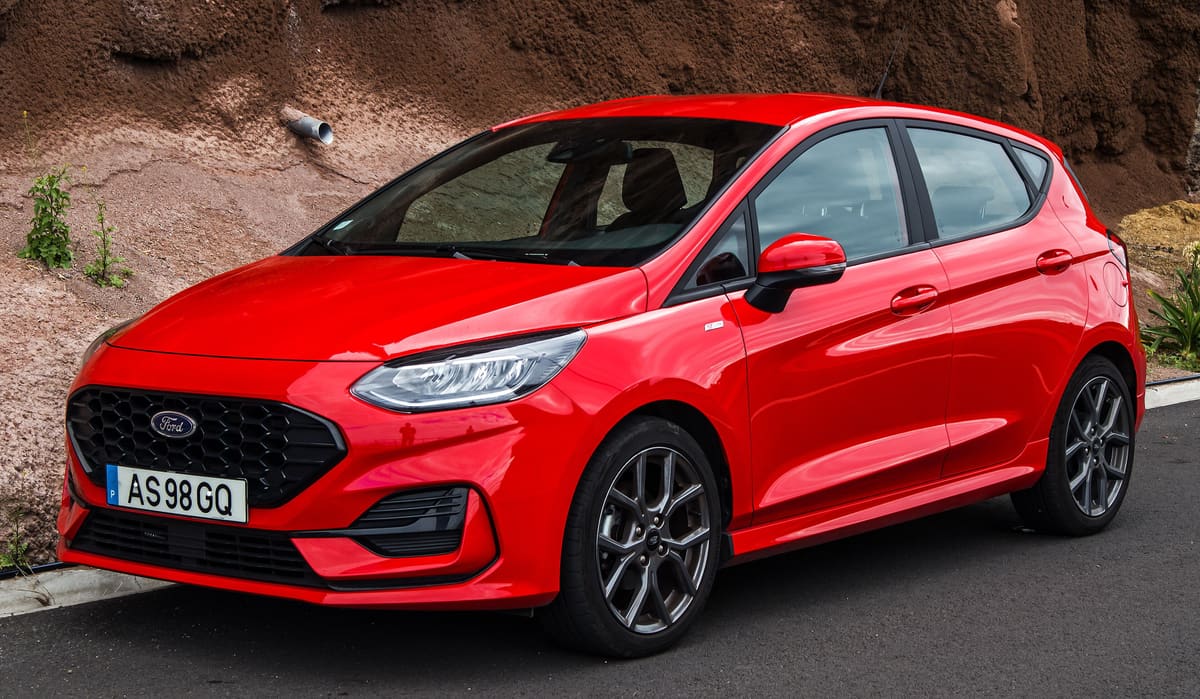
The Ford Fiesta is generally reliable, but like any car, it can develop common faults that require attention. Many issues are straightforward to diagnose and fix, with some repairs suitable for DIY enthusiasts while others need a professional garage. Understanding symptoms, causes, and repair options helps keep your Fiesta running smoothly and avoids costly breakdowns.
Engine Misfires and Rough Idling
If your Fiesta’s engine feels rough, misfires, or idles unevenly, it often points to ignition or fuel delivery problems. Common causes include worn spark plugs, faulty ignition coils, or clogged fuel injectors. These components affect combustion quality and engine smoothness.
Replacing spark plugs is a relatively simple DIY task if you have basic tools and some mechanical confidence. It involves removing the engine cover, unplugging ignition coils, and unscrewing the old plugs before fitting new ones. Ignition coils may require more care to avoid damage but can still be replaced at home with patience.
Fuel injector cleaning or replacement is best left to a garage unless you have experience. Injectors are delicate and require specialised equipment for cleaning. A professional can also check fuel pressure and ensure the system is functioning correctly.
Clutch Slipping or Hard to Engage
A slipping clutch or difficulty engaging gears is a common issue on older or high-mileage Fiestas. Symptoms include a rising engine rev counter without corresponding acceleration or a stiff clutch pedal. The likely cause is clutch wear or hydraulic system faults.
Replacing a worn clutch is a garage job due to the labour-intensive process of removing the gearbox. However, inspecting the clutch fluid level and condition is a simple DIY check. Low or dirty fluid can cause clutch engagement problems and is easy to top up or replace.
If the clutch pedal feels spongy or hard to press, the hydraulic system may have air or leaks. Bleeding the clutch hydraulics can sometimes restore proper pedal feel and engagement. This requires a helper and some mechanical know-how but is doable at home with the right tools.
Electrical Gremlins and Warning Lights
Electrical issues in the Fiesta can manifest as warning lights on the dashboard, erratic behaviour of lights or windows, or intermittent faults. Common causes include poor earth connections, failing sensors, or worn wiring.
Diagnosing electrical faults often starts with checking battery terminals and earth points for corrosion or looseness. Cleaning and tightening these connections is a straightforward DIY fix that can resolve many minor glitches.
Replacing blown fuses or bulbs is another simple task. However, persistent warning lights or sensor faults usually need diagnostic equipment to read error codes. A garage visit is advisable to accurately identify and repair sensor or wiring problems.
Suspension Noise and Poor Ride Quality
If your Fiesta produces clunks or rattles over bumps or feels unstable on the road, the suspension components may be worn. Typical culprits include worn shock absorbers, broken springs, or degraded bushes.
Replacing shock absorbers involves removing the wheel and suspension top mounts. While not overly complex, it requires a jack, stands, and some mechanical skill, making it a job suited to experienced DIYers or a garage.
Bushes and springs are more challenging to replace due to the need for specialised tools and safety considerations, especially with coil springs under tension. These repairs are best left to professionals.
Regularly inspecting suspension components for wear and damage can prevent sudden failures and maintain ride comfort and safety.
Brake Judder and Reduced Performance
Brake judder, a pulsing pedal, or reduced braking efficiency are warning signs of brake system issues. Causes include warped brake discs, worn pads, or seized calipers.
Brake pad replacement is a common DIY job if you have the right tools and follow safety precautions. It involves removing the wheel, sliding out the old pads, and fitting new ones. Checking the brake fluid level is also a simple maintenance task.
Resurfacing or replacing warped discs requires more equipment and expertise, so it is usually a garage job. Seized calipers need professional attention to avoid uneven braking and premature wear.
Regular brake inspections and timely replacement of pads and discs ensure safe stopping and prevent more costly repairs.
Door Lock and Window Mechanism Faults
Problems with door locks or electric windows are frequent annoyances in older Fiestas. Symptoms include doors not locking remotely, windows stuck or moving slowly, or strange noises from door panels.
Replacing faulty door lock actuators or window motors typically involves removing the door trim and disconnecting electrical connectors. This can be a DIY job for those comfortable with interior trim removal and electrical components.
Lubricating window tracks and checking fuses are simple first steps that can often restore smooth operation. If mechanisms are damaged or motors fail, replacement parts are available but may require patience and care to fit correctly.
If you are unsure, a garage can diagnose and repair these faults efficiently, ensuring all door and window functions work reliably.
Ford Fiesta recall record
31 recalls have been issued for the Ford Fiesta, between 1995 and 2025.
CrossCar: Sync3 Rear-View Camera Software Update
R/2025/359Issued 8 September 2025
On affected vehicles a software problem may result in issues with the rear-view camera that reduce the driver’s view or with it remaining on after a reversing event.
Remedy:Update the vehicle software to the latest level.
Affects cars built Mar 2019 to Mar 2019
25S10 – Puma Fiesta Courier – Fuel line chafing
R/2025/084Issued 19 March 2025
Affected vehicles may experience chafing between the fuel line support shield and the fuel line which could result in damage to the fuel line.
Remedy:Replace the fuel line support shield (bracket). Inspect the fuel lines and rework if necessary.
Affects cars built Dec 2021 to Jul 2023
X-Car Powertain Control Module (PCM) Software Update
R/2025/094Issued 19 December 2024
Affected vehicles may develop a crack in the Diesel Particulate Filter (DPF).
Remedy:Update software to prevent a cracked DPF. Test and replace DPFs that are already cracked.
Affects cars built May 2015 to Aug 2015
On the affected vehicles an incorrect Instrument Cluster has been fitted. This results in the speedometer not correctly displaying the maximum vehicle speed.
R/2023/274Issued 27 September 2023
On the affected vehicles an incorrect Instrument Cluster has been fitted. This results in the speedometer not correctly displaying the maximum vehicle speed.�
Remedy:Affected vehicles will have the instrument cluster exchanged.��
Affects cars built Aug 2022 to Jun 2023
27 older recalls not shown.
A recall applies to a build range, not to every car of this model. Check a registration to see whether one specific vehicle has an outstanding recall.
Ford Fiesta MOT record
From 1,348,184 recorded MOT tests, 27.2% failed.
| Registered | Tests | Failed | Median mileage |
|---|---|---|---|
| 2023 | 1,345 | 5.7% | 16,150 mi |
| 2022 | 24,943 | 6.5% | 17,729 mi |
| 2021 | 27,110 | 7.2% | 25,685 mi |
| 2020 | 48,945 | 10.2% | 31,352 mi |
| 2019 | 76,833 | 11.6% | 37,531 mi |
| 2018 | 91,591 | 12.9% | 44,905 mi |
| 2017 | 88,466 | 19.2% | 50,210 mi |
| 2016 | 111,783 | 24.6% | 57,498 mi |
Most common reasons for failure
- Tyre tread depth not in accordance with the requirements28.1%
- A suspension pin, bush or joint excessively worn24.5%
- A tyre seriously damaged20.2%
- A spring or spring component fractured or seriously weakened17.5%
- Stop lamp missing, inoperative or in the case of a multiple light source more than 1/2 not functioning9.7%
Figures cover every Ford Fiesta tested in the DVSA dataset, not this specific car. Check a registration for the actual history of one vehicle.
Frequently asked questions
What are common faults in the Ford Fiesta?
Common faults include electrical issues, clutch problems, and suspension wear.
Can I fix these issues myself?
Many fixes are DIY-able, but some may require professional help.
Is it worth fixing a suspension issue?
Yes, proper suspension is vital for safety and comfort.
Sources
- DVSA anonymised MOT tests and results (Open Government Licence v3.0)
- DVSA vehicle safety recalls (Open Government Licence v3.0)