Common problems
Land Rover Range Rover Velar common problems and reliability issues
Honest rundown of the most common Land Rover Range Rover Velar faults, what to watch for, and how to keep one running well.
Updated 23rd June 2026 DVSA data: Across 31,632 recorded MOT tests, 12.8% failed.
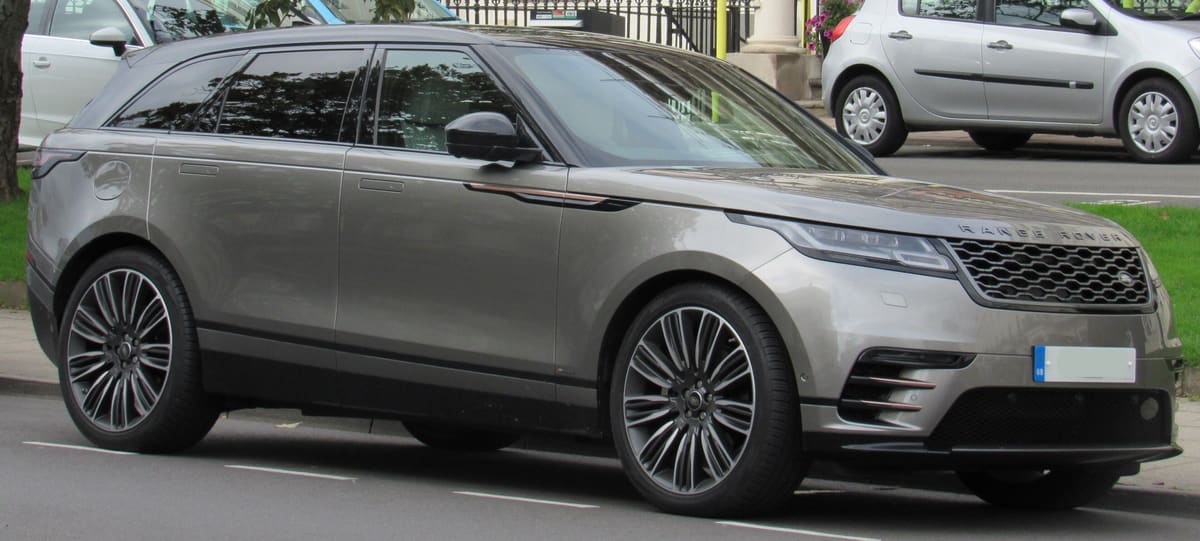
The Land Rover Range Rover Velar is a stylish and luxurious SUV, but it is not without its issues. Common problems reported by owners include electrical faults, air suspension failures, and engine performance issues. Understanding these potential pitfalls can help prospective buyers make informed decisions.
Electrical System Issues
One of the most frequently reported problems with the Range Rover Velar is related to its electrical system. Owners have noted various faults, including issues with the infotainment system and dashboard displays. These problems can lead to malfunctions in essential features such as navigation, Bluetooth connectivity, and even climate control.
The electrical gremlins often manifest as software glitches, which may require updates or resets to resolve. In some cases, owners have reported complete failures of the infotainment system, necessitating costly repairs. Regular software updates from Land Rover can help mitigate these issues, but they do not always guarantee a permanent fix.
Air Suspension Failures
The Velar is equipped with an advanced air suspension system designed to provide a smooth ride and improved handling. However, this system has been known to develop faults, leading to a range of issues. Common complaints include the vehicle sagging on one side or warning lights illuminating on the dashboard.
Air suspension failures can stem from leaks in the air bags or compressor issues. When these components fail, they can result in a harsh ride and reduced handling capabilities. Owners may face significant repair costs if the entire suspension system needs replacement, making it essential to keep an eye on any unusual changes in ride height or handling.
Engine Performance Problems
Engine performance issues are another area of concern for Range Rover Velar owners. Some have reported a lack of power, rough idling, or warning lights related to the engine management system. These problems can arise from various sources, including fuel system issues, turbocharger malfunctions, or sensor failures.
Regular maintenance is crucial to prevent engine-related problems. Keeping up with oil changes, fuel filter replacements, and using high-quality fuel can help maintain engine performance. If issues do arise, diagnostic checks are essential to pinpoint the exact cause and avoid further damage.
Transmission Concerns
Transmission problems have also been reported by some Velar owners, particularly with the automatic gearbox. Symptoms can include harsh shifting, slipping, or even complete failure to engage gears. These issues can significantly affect the driving experience and safety of the vehicle.
Many transmission problems can be attributed to low fluid levels or contamination. Regular checks and fluid changes are vital to ensure smooth operation. If transmission issues occur, it is advisable to seek professional help promptly to avoid costly repairs or replacements.
Brake System Faults
The braking system is critical for safety, and some Range Rover Velar owners have reported issues with brake performance. Common complaints include squeaking or grinding noises, as well as a soft brake pedal feel. These symptoms can indicate worn brake pads or issues with the brake calipers.
Regular inspection of the braking system is essential to maintain safety. Worn components should be replaced promptly to prevent further damage to the braking system. If any unusual noises or sensations are experienced while braking, it is crucial to have the vehicle inspected by a qualified technician.
Interior Quality and Comfort Issues
While the Velar is known for its luxurious interior, some owners have reported issues with interior quality and comfort. Common complaints include rattling noises, wear on upholstery, and malfunctioning electronic seat adjustments. These problems can detract from the overall driving experience and may require attention.
Maintaining the interior by using protective covers and regular cleaning can help prolong the life of upholstery and electronic components. If issues arise, addressing them early can prevent more extensive damage and ensure that the interior remains a comfortable and inviting space.
Understanding these common problems can help potential buyers of the Land Rover Range Rover Velar make informed decisions. Regular maintenance and prompt attention to issues can enhance the ownership experience and ensure that this luxury SUV remains a reliable choice.
Land Rover Range Rover Velar recall record
17 recalls have been issued for the Land Rover Range Rover Velar, between 2018 and 2026.
AJ20-D6 Idler Pulley Clash
R/2026/241Issued 26 June 2026
A concern has been identified on certain AJ20-D6 engines where the Front End Auxiliary Drive (FEAD) belt idler pulley may over-rotate following a high torsion input and lead to a clash with and damage to the oil pressure and temperature sensor. A damaged oil pressure and temperature sensor can lead to an oil leak from the engine which can result in a slip hazard for following road users particularly two-wheeled vehicles.
Remedy:Vehicles will have the Front-End Auxiliary Drive (FEAD) idler pulley replaced.
Affects cars built Jun 2024 to Apr 2026
E-PACE F-PACE Defender Discovery Sport Range Rover Evoque and Range Rover Velar PHEV Traction Battery Fire Risk
R/2025/553Issued 12 June 2026
Vehicles have experienced thermal overload which may manifest in smoke or fire that may occur underneath the rear of the vehicle where the high voltage traction battery is located. The root cause is not yet known and investigations are continuing. A vehicle thermal overload condition such as fire or smoke can result in increased risk of occupant injury and/or injury to persons outside the vehicle as well as property damage.
Remedy:Vehicles will be inspected by the retailer and as required at-risk battery packs will be replaced.
Affects cars built Jan 2021 to Mar 2025
Range Rover Range Rover Sport and Range Rover Velar Audio Amplifier Water Damage
R/2026/198Issued 27 May 2026
A concern has been identified on certain 2026 model year Range Rover Range Rover Sport and Range Rover Velar vehicles where the audio amplifiers may have been subject to water damage and may not provide any audio output including no seat belt reminder audible warnings to the driver. A seat belt reminder audible warning chime that does not alert of an unlatched seat belt can increase the risk of occupant injury in the event of a crash.
Remedy:Affected vehicles will have the audio amplifier replaced.
Affects cars built May 2026 to Apr 2026
AJ21-D4 Turbo Oil Feed Pipe Leak - Incorrectly Repaired
R/2025/178Issued 28 May 2025
On affected vehicles the turbocharger oil feed pipe clamp may have been installed in the incorrect orientation. Incorrectly installed pipe clamp will not provide sufficient clamp load and therefore risk an oil leak.
Remedy:Replace oil feed pipe O-rings and fit replacement pipe clamp correctly.
Affects cars built Dec 2023 to May 2024
13 older recalls not shown.
A recall applies to a build range, not to every car of this model. Check a registration to see whether one specific vehicle has an outstanding recall.
Land Rover Range Rover Velar MOT record
From 31,632 recorded MOT tests, 12.8% failed.
| Registered | Tests | Failed | Median mileage |
|---|---|---|---|
| 2022 | 2,267 | 10.4% | 26,836 mi |
| 2021 | 2,255 | 9.9% | 35,865 mi |
| 2020 | 4,650 | 11.3% | 43,918 mi |
| 2019 | 8,432 | 13.6% | 51,742 mi |
| 2018 | 10,363 | 13.1% | 58,285 mi |
| 2017 | 3,665 | 15.2% | 63,366 mi |
Most common reasons for failure
- Tyre tread depth not in accordance with the requirements34.4%
- A tyre seriously damaged22.8%
- Brake disc or drum excessively weakened, insecure or fractured17.1%
- a brake lining or pad worn below 1.5mm16.4%
- A steering ball joint with excessive wear or free play9.2%
Figures cover every Land Rover Range Rover Velar tested in the DVSA dataset, not this specific car. Check a registration for the actual history of one vehicle.
Frequently asked questions
What are the most common issues with the Range Rover Velar?
Common issues with the Range Rover Velar include electrical faults, air suspension problems, and issues with the infotainment system. Owners have also reported occasional engine performance concerns.
How reliable is the Range Rover Velar?
The Range Rover Velar has received mixed reviews regarding reliability. While many owners enjoy its performance and luxury, some have experienced significant issues that can affect overall reliability.
Are there any known problems with the Velar's air suspension?
Yes, some Range Rover Velar owners have reported problems with the air suspension system, including leaks and failure to raise or lower properly. Regular maintenance can help mitigate these issues.
What should I check before buying a used Range Rover Velar?
Before purchasing a used Range Rover Velar, check the service history, look for any signs of electrical issues, and ensure the infotainment system is functioning properly. It's also wise to have a thorough inspection done by a qualified mechanic.
Is the infotainment system in the Velar reliable?
The infotainment system in the Range Rover Velar has been reported to have occasional glitches and slow response times. Some users find it frustrating, so it's important to test it during a test drive.
How expensive is it to repair common issues with the Velar?
Repair costs for common issues with the Range Rover Velar can vary widely depending on the problem and where you take it for service. Generally, repairs can be on the higher side due to the vehicle's luxury status.
What are the signs of electrical problems in the Velar?
Signs of electrical problems in the Range Rover Velar can include warning lights on the dashboard, malfunctioning features, and issues with starting the vehicle. If you notice any of these symptoms, it's best to have it checked by a professional.
Sources
- DVSA anonymised MOT tests and results (Open Government Licence v3.0)
- DVSA vehicle safety recalls (Open Government Licence v3.0)