Top fixes
Lexus IS top fixes: how owners handle the common issues
Practical fixes for the common Lexus IS faults owners run into.
Updated 4th September 2026 DVSA data: Across 14,179 recorded MOT tests, 10.4% failed.
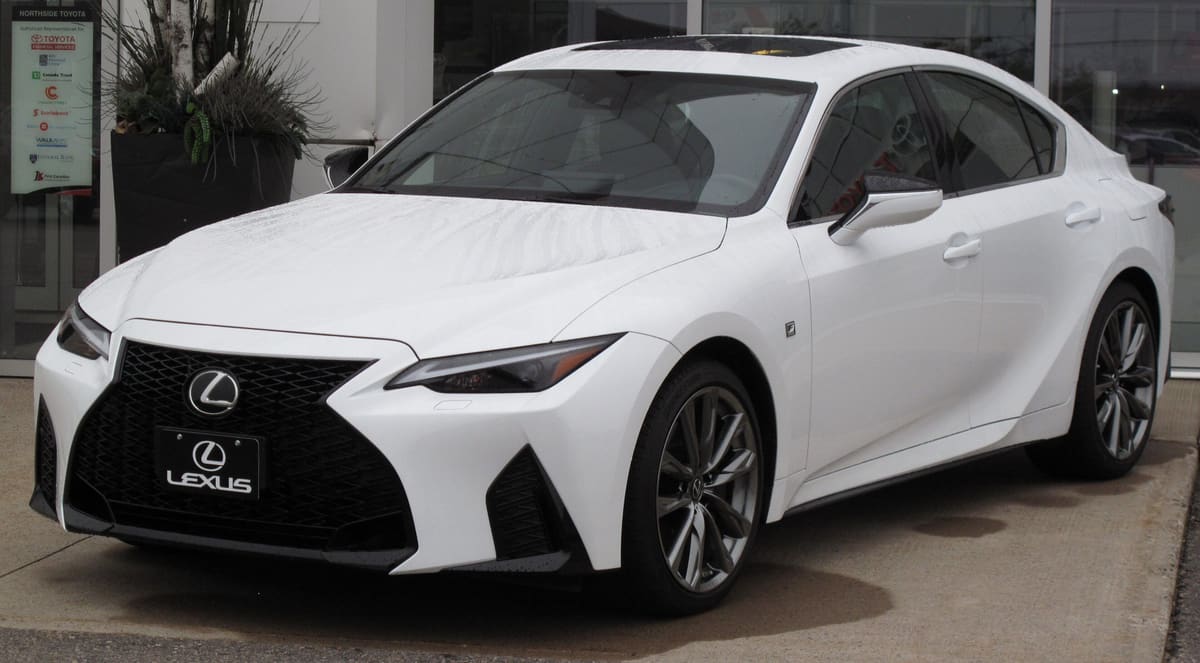
The Lexus IS is a reliable vehicle, but like any car, it can experience issues over time. Common problems include electrical faults, suspension wear, and engine performance concerns. Understanding these issues and their practical fixes can help owners maintain their vehicles effectively.
Electrical Problems
One of the most frequently reported issues with the Lexus IS is electrical faults, particularly with the battery and alternator. Symptoms can include warning lights on the dashboard, difficulty starting the engine, or flickering interior lights.
To address these issues, start by checking the battery terminals for corrosion and ensuring they are tightly connected. If the battery is old, consider replacing it. Additionally, inspect the alternator for proper function, as a failing alternator can lead to battery drain. Regular maintenance of the electrical system can prevent these problems from escalating.
Suspension Wear
Suspension components, especially the shock absorbers and bushings, can wear out over time, leading to a less comfortable ride and poor handling. Owners may notice excessive bouncing, noise over bumps, or uneven tyre wear.
To fix suspension issues, first, have a professional inspect the components for wear. Replacing worn shock absorbers can significantly improve ride quality. Additionally, check the alignment and balance of the wheels, as improper alignment can exacerbate suspension problems and lead to further wear.
Engine Performance Issues
Some Lexus IS owners report engine performance problems, such as rough idling, decreased power, or unusual noises. These issues can stem from various sources, including fuel system problems or ignition system failures.
Start by checking the air filter and replacing it if it is dirty or clogged. A clean air filter ensures optimal airflow to the engine. If the problem persists, inspect the spark plugs and ignition coils, as worn components can lead to misfires and poor performance. Regular servicing of the fuel system can also help maintain engine efficiency.
Brake System Concerns
The brake system is crucial for safety, and issues such as squeaking, grinding, or a soft brake pedal are common complaints. These symptoms may indicate worn brake pads, damaged rotors, or air in the brake lines.
To remedy brake issues, begin by inspecting the brake pads and rotors for wear. Replacing worn pads is essential to maintain braking performance. If grinding noises are present, check the rotors for scoring and replace them if necessary. Bleeding the brake lines can also remove air bubbles, restoring proper brake feel.
Tyre Wear and Alignment
Uneven tyre wear is a common concern for Lexus IS owners, often linked to alignment issues or suspension wear. Owners may notice that tyres wear more quickly on one side or develop bald spots.
To address tyre wear, first, check the tyre pressure and ensure it is within the recommended range. Under-inflated tyres can wear unevenly and affect handling. Next, have a professional perform a wheel alignment to ensure all four wheels are properly aligned. Regular rotation of the tyres can also help promote even wear and extend their lifespan.
Interior and Exterior Maintenance
While not mechanical, interior and exterior maintenance is essential for preserving the Lexus IS’s appearance and value. Common issues include worn upholstery, scratches, and faded paint.
To maintain the interior, regularly clean and condition the upholstery to prevent wear and tear. For exterior maintenance, wash the car frequently and apply wax to protect the paint from UV damage and contaminants. Addressing minor scratches with touch-up paint can prevent rust and keep the vehicle looking its best.
By staying on top of these common issues and their fixes, Lexus IS owners can ensure their vehicles remain reliable and enjoyable to drive. Regular maintenance and timely repairs can help prevent more significant problems down the line, ultimately extending the life of the vehicle.
Lexus IS recall record
3 recalls have been issued for the Lexus IS, between 2014 and 2020.
FUEL PUMP IMPELLER CAN CRACK AND CAUSE FUEL PUMP TO BECOME INOPRATIVE
R/2020/060Issued 5 October 2020
On affected vehicles the low pressure fuel pump located in the fuel tank could become inoperative.
Remedy:Replace the fuel pump.
Affects cars built Jul 2017 to Sept 2019
RISK OF FIRE
R/2016/080Issued 26 May 2016
The fuel pressure sensor may not have correctly tightened during assembly. Over time this may affect the seal and allow fuel odour to escape. This could ignite in the presence of an ignition source.
Remedy:On affected vehicles replace seal and tighten pressure sensor to specification.
Affects cars built Jun 2005 to Sept 2007
RISK OF FIRE
R/2014/135Issued 24 November 2014
The fuel pressure sensor gasket may degrade and allow fuel to leak into the engine compartment. In the presence of an ignition source the risk of fire is increased.
Remedy:Recall the vehicles that are likely to be affected to repair the fuel pipe and replace the fuel pressure sensor gasket.
Affects cars built Jul 2007 to Jun 2010
A recall applies to a build range, not to every car of this model. Check a registration to see whether one specific vehicle has an outstanding recall.
Lexus IS MOT record
From 14,179 recorded MOT tests, 10.4% failed.
| Registered | Tests | Failed | Median mileage |
|---|---|---|---|
| 2020 | 550 | 5.3% | 38,038 mi |
| 2019 | 1,150 | 7.6% | 52,448 mi |
| 2018 | 1,452 | 6.8% | 58,270 mi |
| 2017 | 1,526 | 8.4% | 64,389 mi |
| 2016 | 1,944 | 11.4% | 73,686 mi |
| 2015 | 2,744 | 11.1% | 82,590 mi |
| 2014 | 2,974 | 11.6% | 91,725 mi |
| 2013 | 1,567 | 14.0% | 93,776 mi |
Most common reasons for failure
- Tyre tread depth not in accordance with the requirements37.9%
- A tyre seriously damaged30.4%
- A tyre cords visible or damaged12.4%
- Brake disc or drum excessively weakened, insecure or fractured10.2%
- a brake lining or pad worn below 1.5mm9.2%
Figures cover every Lexus IS tested in the DVSA dataset, not this specific car. Check a registration for the actual history of one vehicle.
Frequently asked questions
What are common issues with the Lexus IS?
Common issues with the Lexus IS include electrical problems, suspension wear, and occasional engine misfires. Regular maintenance can help prevent these issues.
How can I tell if my Lexus IS needs repairs?
Signs that your Lexus IS may need repairs include unusual noises, warning lights on the dashboard, and changes in handling or performance. It's best to have a professional inspection if you notice any of these signs.
Are Lexus IS parts expensive to replace?
Lexus IS parts can vary in price, but some components may be more expensive than those for other brands. It's advisable to compare prices from different suppliers and consider both OEM and aftermarket options.
How often should I service my Lexus IS?
It is recommended to service your Lexus IS every 10,000 miles or annually, whichever comes first. Regular servicing helps maintain performance and can prevent costly repairs down the line.
What should I do if my Lexus IS has a recall?
Recalls are issued against individual vehicles rather than a model as a whole, so a model-level yes or no would be guesswork. Enter the registration on Honest Car Check and we check the DVSA record for that specific car. Where DVSA holds no status, confirm it with a franchised dealer using the VIN.
Can I perform basic maintenance on my Lexus IS myself?
Yes, you can perform basic maintenance tasks like oil changes, air filter replacements, and checking tyre pressure yourself. However, for more complex repairs, it is best to consult a professional.
Is it worth buying a used Lexus IS?
Buying a used Lexus IS can be worthwhile due to its reputation for reliability and comfort. However, it's important to check the vehicle's history and condition before making a purchase.
What should I look for when buying a used Lexus IS?
When buying a used Lexus IS, check for service history, any signs of damage, and the condition of the interior and exterior. A thorough vehicle inspection can also help identify any potential issues.
Sources
- DVSA anonymised MOT tests and results (Open Government Licence v3.0)
- DVSA vehicle safety recalls (Open Government Licence v3.0)