Running costs
MG HS running costs: what UK ownership really costs
MG HS UK running costs: fuel or electric, insurance group, road tax, servicing and depreciation.
Updated 18th September 2026 DVSA data: Across 32,045 recorded MOT tests, 8.5% failed.
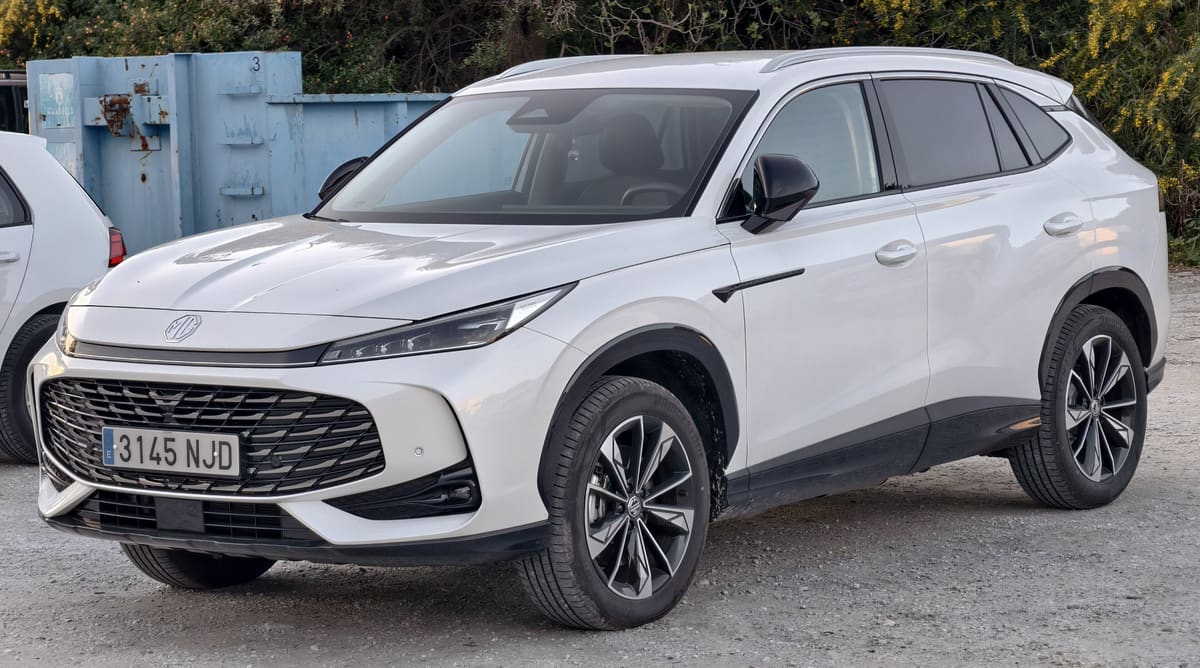
The MG HS offers competitive running costs for a compact SUV, with tax, insurance, servicing, and depreciation all influenced by its engine options, trim levels, and overall market positioning. Its tax treatment depends on emissions and fuel type, insurance groups reflect its safety and performance profile, servicing is straightforward but varies by engine, and its value retention aligns with typical mainstream SUVs.
Vehicle Tax and How It Affects Running Costs
The cost of vehicle tax for the MG HS is primarily determined by its CO2 emissions and fuel type, which influence the rates set by the UK government. Petrol and diesel variants are taxed differently, with diesel models potentially facing higher charges if they do not meet specific emissions standards. The government’s official website provides detailed guidance on current rates.
Higher-emission models attract higher tax bands, increasing the annual cost of ownership. Conversely, lower-emission versions benefit from reduced tax liabilities, making them more economical over time. Additionally, the first-year tax rate, often linked to emissions, can be a significant upfront cost when purchasing new.
For those considering plug-in hybrid or mild hybrid versions, tax benefits may apply due to their reduced emissions, but these depend on the exact technology and official classifications. Checking the latest government tax tables is essential to understand the precise cost implications for each MG HS variant.
Insurance Group and What Influences It
The MG HS’s insurance group rating reflects factors such as its engine size, performance, repair costs, and safety features. Models with larger or more powerful engines generally fall into higher insurance groups, increasing premiums. Trim levels with advanced safety technology can help lower insurance costs by reducing accident risk.
Age and driving history also play a role in insurance premiums, but the vehicle’s inherent characteristics set the baseline group. The MG HS’s safety equipment, including driver aids and crash protection, tends to support moderate insurance groups compared to other SUVs in its class.
Insurance quotes vary by provider and driver profile, so obtaining personalised quotes is advisable. Using comparison tools can help identify the best premiums for the MG HS based on your circumstances, while understanding the insurance group gives a useful starting point for expectations.
Servicing Demands and Maintenance Costs
Servicing the MG HS is generally straightforward, with intervals and requirements influenced by the engine type and trim level. Petrol engines typically have less complex servicing needs than diesel variants, which may require additional attention to components like particulate filters.
Routine maintenance includes oil and filter changes, brake checks, and tyre inspections, with some models requiring specific fluids or parts depending on hybrid technology or transmission type. The availability of parts and the relative simplicity of the MG HS’s mechanical layout help keep servicing costs reasonable.
Warranty coverage and servicing packages offered by MG can reduce unexpected expenses, but it is important to follow the manufacturer’s recommended schedule to maintain reliability and resale value. Independent garages may provide more competitive servicing rates, though using authorised centres ensures adherence to manufacturer standards.
Fuel Economy and Its Impact on Running Costs
Fuel consumption is a key factor in the MG HS’s running costs, influenced by engine size, transmission choice, and driving conditions. Smaller engines and hybrid variants generally offer better fuel efficiency, reducing the frequency and cost of refuelling.
Driving style and terrain also affect fuel use, with urban stop-start conditions typically increasing consumption compared to steady motorway cruising. Choosing a model with fuel-saving technologies, such as start-stop systems, can help manage ongoing fuel expenses.
While official fuel economy figures vary by trim and engine, prospective buyers should review the specific variant’s data and consider real-world usage to estimate fuel costs accurately. Maintaining the vehicle in good condition, including tyre pressures and regular servicing, also supports optimal fuel efficiency.
Depreciation and Value Retention
The MG HS’s depreciation rate is influenced by market demand, brand perception, and overall quality compared to competitors. As a mainstream SUV, it tends to hold value reasonably well but may not retain worth as strongly as premium or niche models.
Factors such as mileage, condition, and service history significantly impact resale value. Well-maintained examples with full documentation typically command higher prices on the used market. Trim levels with popular features and colours also tend to depreciate more slowly.
The introduction of newer models or updates can affect older MG HS values, so timing your sale or purchase is important. Checking current market listings and trends helps gauge expected depreciation and informs decisions about ownership duration and replacement planning.
MG HS MOT record
From 32,045 recorded MOT tests, 8.5% failed.
| Registered | Tests | Failed | Median mileage |
|---|---|---|---|
| 2024 | 243 | 1.7% | 17,660 mi |
| 2023 | 2,114 | 6.9% | 20,136 mi |
| 2022 | 18,546 | 9.0% | 24,152 mi |
| 2021 | 8,091 | 7.5% | 31,261 mi |
| 2020 | 3,051 | 10.0% | 34,480 mi |
Most common reasons for failure
- Brake disc or drum excessively weakened, insecure or fractured29.0%
- A tyre seriously damaged24.2%
- a brake lining or pad worn below 1.5mm21.4%
- Tyre tread depth not in accordance with the requirements16.8%
- Brake disc or drum significantly and obviously worn8.5%
Figures cover every MG HS tested in the DVSA dataset, not this specific car. Check a registration for the actual history of one vehicle.
Frequently asked questions
What should I expect for fuel costs when running an MG HS?
Fuel costs depend on the engine type and driving style. The MG HS uses a turbocharged petrol engine in most trims, so checking the fuel filler cap for the recommended fuel type is important. Regularly monitoring the fuel gauge and avoiding aggressive acceleration can help manage running costs.
How often does the MG HS need servicing to keep running costs low?
The MG HS requires servicing roughly every 12 months or according to the mileage schedule in the handbook. Typical garage jobs include oil changes, air filter replacement, and brake fluid checks. Keeping up with these helps prevent warning lights like the engine management light from appearing.
Are there any specific parts on the MG HS that tend to need replacement or repair?
Brake pads and discs on the MG HS can wear depending on driving conditions, so listen for squealing noises when braking. The turbocharger system should also be checked if you notice a loss of power or unusual engine sounds. Regular inspection of these parts helps avoid costly repairs.
Does the MG HS have any particular maintenance needs for its hybrid or electric components?
For plug-in hybrid versions of the MG HS, the high-voltage battery and electric motor require periodic checks during servicing. Watch for dashboard warning lights related to the hybrid system and ensure the charging port is clean and undamaged to maintain efficient operation.
What tyres are recommended for the MG HS and how do they affect running costs?
The MG HS typically uses all-season tyres sized according to the trim level. Maintaining correct tyre pressure, which can be checked on the driver’s door pillar sticker, improves fuel efficiency and tyre lifespan. Uneven tyre wear might indicate alignment issues needing garage attention.
How does insurance impact the overall running costs of an MG HS?
Insurance premiums vary by driver profile and trim level of the MG HS. Features like advanced safety systems can sometimes reduce premiums. It is wise to compare quotes and consider the impact of optional extras on insurance costs before purchase.
Are there any common warning lights on the MG HS that indicate costly repairs?
The MG HS dashboard may show warning lights such as the engine management light or the brake system warning. If these illuminate, it is important to have the vehicle diagnosed promptly to avoid damage to components like the catalytic converter or braking system.
How does the MG HS’s warranty affect running costs?
The MG HS comes with a manufacturer warranty covering certain repairs and parts for a set period. This can reduce unexpected expenses for components like the turbocharger or hybrid system. Always check the warranty terms and keep service records to ensure coverage.
Sources
- DVSA anonymised MOT tests and results (Open Government Licence v3.0)