Running costs
Mini Hatch running costs: what UK ownership really costs
Mini Hatch UK running costs: fuel or electric, insurance group, road tax, servicing and depreciation.
Updated 21st September 2026 DVSA data: Across 646,748 recorded MOT tests, 19.2% failed.
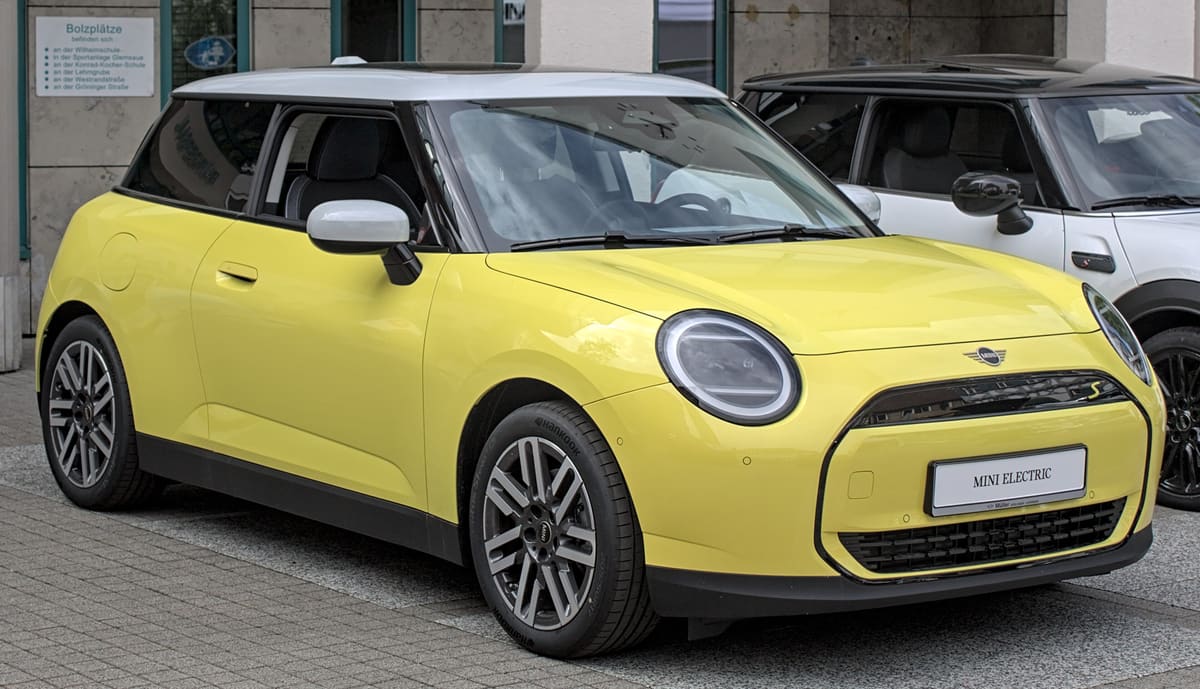
The Mini Hatch’s running costs are influenced by its tax band, insurance group, servicing requirements, and depreciation. Its compact size and engine options often keep tax and fuel costs moderate, while insurance can vary widely depending on model and driver profile. Servicing is generally straightforward but can be pricier than average, and its strong brand appeal helps it retain value well over time.
Vehicle Tax and Its Impact on Running Costs
The cost of vehicle tax for a Mini Hatch depends primarily on its CO2 emissions and fuel type, which determine the tax band it falls into. Petrol and diesel variants are taxed differently, with lower-emission models attracting less annual tax. The UK government’s vehicle tax system is designed to encourage cleaner cars, so the Mini’s smaller engines and efficient designs often place it in more favourable bands.
Newer Mini Hatch models may also benefit from reduced or zero first-year tax rates if their emissions are particularly low. However, higher-performance versions with larger engines or sportier tuning can attract higher tax bands, increasing the annual cost. It is important to check the exact trim and engine specification on gov.uk to see the precise tax rate applicable.
The tax system also includes a standard rate for vehicles registered after a certain date, which applies annually after the first year. This means that while initial tax might be low for efficient Minis, owners should budget for the standard rate in subsequent years. Overall, the Mini Hatch’s tax costs tend to be moderate but vary significantly depending on the exact model and engine.
Insurance Group and Its Effect on Premiums
Insurance costs for the Mini Hatch are influenced by the insurance group assigned to each model variant. These groups reflect factors such as engine size, repair costs, safety features, and the likelihood of theft or accident claims. Smaller-engine Minis typically fall into lower insurance groups, making them more affordable to insure, especially for younger or less experienced drivers.
Sportier or more powerful versions, including those with performance badges, are placed in higher insurance groups due to increased risk and repair costs. Additionally, optional extras and trim levels that add expensive technology or bodywork can push insurance premiums up. Drivers’ personal circumstances, such as age, location, and claims history, also play a significant role in the final insurance cost.
Prospective buyers should obtain insurance quotes for the specific Mini Hatch model and trim they are interested in, as differences can be substantial. Using comparison tools and checking the group rating can help anticipate the insurance expense and avoid surprises.
Servicing and Maintenance Demands
The Mini Hatch generally requires regular servicing intervals similar to other small premium cars, with oil changes, brake checks, and fluid top-ups forming the core of routine maintenance. The brand’s engineering emphasises sporty handling and performance, which can mean that some components, such as brakes and tyres, wear faster than on more sedate cars.
Servicing costs can be higher than average due to the premium positioning of the Mini brand and the use of specialised parts. Independent garages familiar with Minis may offer more competitive rates than main dealers, but owners should ensure genuine parts and proper servicing standards are maintained to preserve reliability and warranty coverage.
Some models feature turbocharged engines or advanced electronics that require specific diagnostic equipment and expertise, potentially increasing labour costs. It is advisable to follow the manufacturer’s recommended service schedule closely to avoid costly repairs later and to maintain the car’s resale value.
Fuel Economy and Its Role in Running Costs
Fuel consumption is a key factor in the Mini Hatch’s running costs. The car’s compact size and efficient engine options generally help keep fuel use reasonable, especially in urban and suburban driving conditions. However, sportier trims with more powerful engines can consume more fuel, particularly if driven aggressively.
The Mini’s design prioritises a fun driving experience, which may encourage some owners to use higher-octane petrol or drive in a spirited manner, both of which increase fuel expenses. Choosing a model with a smaller engine or a manual transmission can help reduce fuel costs, but this depends on personal preference and driving style.
Fuel prices fluctuate regularly, so owners should consider the type of fuel the Mini requires and how often they expect to drive. Planning routes and driving smoothly can also improve fuel efficiency and reduce overall running costs.
Depreciation and Resale Value
The Mini Hatch tends to hold its value well compared to many other small cars, thanks to its distinctive style, strong brand identity, and enduring popularity. This means depreciation. the loss in value over time. is generally less severe, which benefits owners looking to sell or trade in their car after a few years.
Factors that help preserve the Mini’s resale value include its reputation for quality, the desirability of certain trims or colours, and the availability of modern features and technology. Regular servicing and maintaining the car in good condition also contribute positively to its retained value.
Conversely, high-mileage examples or those with less popular specifications may depreciate faster. Buyers should consider the trim and engine variant carefully, as some versions hold value better than others. Keeping documentation of servicing and repairs can support a higher resale price.
Tyres, Repairs, and Other Running Costs
Tyres on the Mini Hatch tend to be performance-oriented, which can mean a higher replacement cost compared to standard economy tyres. The car’s handling characteristics and relatively low kerb weight help prolong tyre life if driven gently, but aggressive driving or frequent urban manoeuvring can increase wear.
Repairs outside of routine servicing are generally on par with other premium small cars, but costs can escalate if specialised parts or labour are required. The Mini’s build quality is typically good, reducing the likelihood of unexpected mechanical issues, but owners should budget for occasional repairs as the car ages.
Other running costs include MOT tests, parking, and potential congestion charges, all of which vary by location and usage. The Mini’s compact size often makes it easier and cheaper to park in city areas, which can offset some running expenses.
Overall, the Mini Hatch offers a balance of moderate running costs with the appeal of a premium small car. Understanding how tax, insurance, servicing, fuel, and depreciation interact will help owners manage expenses effectively and enjoy the distinctive Mini experience.
Mini Hatch MOT record
From 646,748 recorded MOT tests, 19.2% failed.
| Registered | Tests | Failed | Median mileage |
|---|---|---|---|
| 2023 | 1,753 | 3.9% | 14,781 mi |
| 2022 | 35,435 | 7.9% | 18,400 mi |
| 2021 | 34,792 | 8.8% | 24,258 mi |
| 2020 | 33,714 | 9.1% | 28,719 mi |
| 2019 | 46,698 | 9.4% | 34,733 mi |
| 2018 | 41,585 | 10.4% | 40,706 mi |
| 2017 | 42,305 | 11.8% | 48,192 mi |
| 2016 | 43,807 | 12.7% | 55,286 mi |
Most common reasons for failure
- Tyre tread depth not in accordance with the requirements27.5%
- A tyre seriously damaged26.8%
- A suspension pin, bush or joint excessively worn16.1%
- A suspension component excessively damaged or corroded15.9%
- Brake disc or drum excessively weakened, insecure or fractured13.8%
Figures cover every Mini Hatch tested in the DVSA dataset, not this specific car. Check a registration for the actual history of one vehicle.
Frequently asked questions
What are the typical fuel costs for running a Mini Hatch?
Fuel costs depend on the engine type and driving style. Petrol models often require regular use of the fuel filter to keep the system clean, while diesel versions need attention to the diesel particulate filter to avoid clogging during short trips.
How often should I service the Mini Hatch to keep running costs low?
Regular servicing is key to managing running costs. The Mini Hatch typically needs oil and filter changes at intervals suggested in the handbook. Checking the condition of the spark plugs and brake pads during service can prevent more expensive repairs later.
Are there any specific maintenance checks I can do myself on a Mini Hatch?
You can check tyre pressure regularly to improve fuel efficiency and tyre life. Also, keep an eye on the engine oil level using the dipstick and inspect the brake fluid reservoir for proper levels. These simple checks help avoid unnecessary garage visits.
What warning lights should I watch for that might increase running costs?
The Mini Hatch’s dashboard includes warning lights like the engine management light and the tyre pressure monitoring system light. Ignoring these can lead to reduced fuel economy or tyre damage, so it’s important to address them promptly.
Does the Mini Hatch require any special tyres that affect running costs?
Some Mini Hatch trims come fitted with run-flat tyres, which allow you to drive a short distance after a puncture. While convenient, these tyres can wear differently and may cost more to replace, so check your specific model’s tyre type.
How does the Mini Hatch’s battery affect running costs?
The 12-volt battery powers electrical components and starts the engine. If you notice slow engine cranking or dim interior lights, the battery may need testing or replacement. Keeping the battery terminals clean can help extend its life.
Is insurance a significant part of the Mini Hatch running costs?
Insurance premiums vary by driver and model, but the Mini Hatch’s safety features like multiple airbags and stability control can help reduce costs. It’s worth comparing quotes to find the best cover for your circumstances.
What common repairs might increase running costs on a Mini Hatch?
Replacing the clutch can be a notable repair, especially on manual versions. Signs like a slipping clutch pedal or difficulty changing gears suggest it may need attention. Early diagnosis can prevent further drivetrain damage.
Sources
- DVSA anonymised MOT tests and results (Open Government Licence v3.0)