Top fixes
Mitsubishi L200 top fixes: how owners handle the common issues
Practical fixes for the common Mitsubishi L200 faults owners run into.
Updated 4th September 2026 DVSA data: Across 79,396 recorded MOT tests, 25.1% failed.
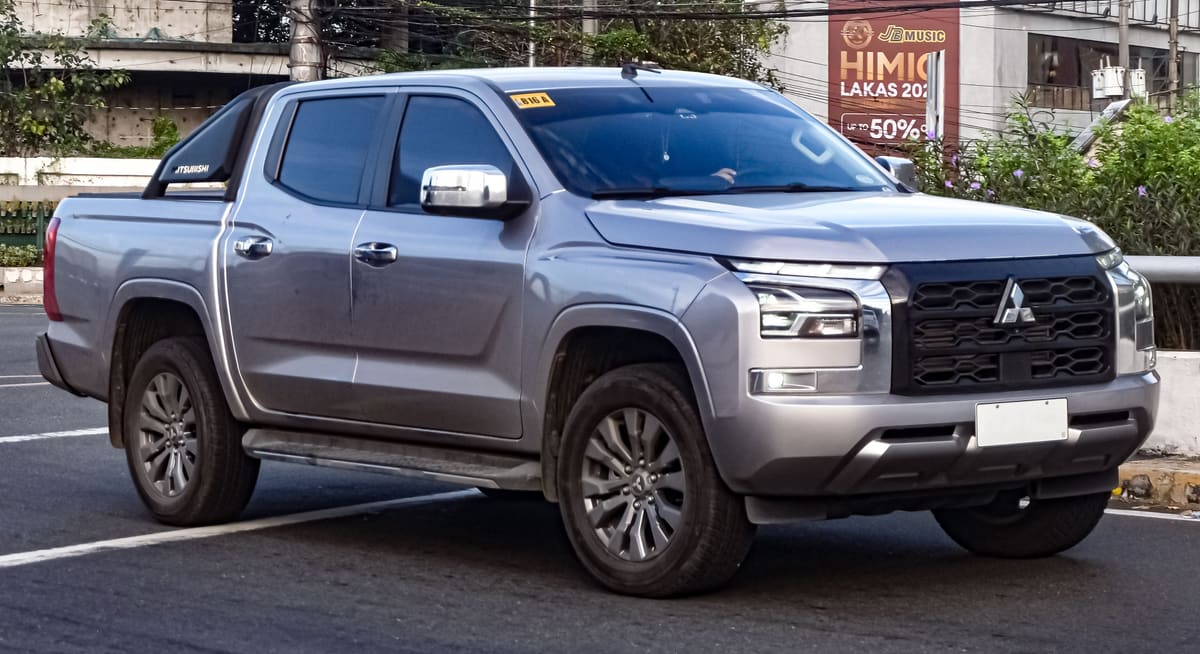
The Mitsubishi L200 is a popular choice for those needing a robust pickup, but like any vehicle, it can encounter issues. Common problems include electrical faults, suspension wear, and engine performance concerns. This article provides practical fixes for these issues, ensuring your L200 remains reliable and efficient.
Electrical Faults
Electrical issues are frequently reported by Mitsubishi L200 owners. Problems can range from faulty wiring to malfunctioning sensors. A common fix involves checking the battery connections and fuses, as corrosion or loose connections can lead to various electrical failures.
Inspect the battery terminals for signs of corrosion and clean them if necessary. Ensure that all fuses are intact and replace any that are blown. If the issue persists, consider using a multimeter to check for continuity in wiring and connections, which can help identify any hidden faults.
Suspension Wear
The suspension system of the L200 is designed to handle rough terrain, but over time, components can wear out. Owners often report issues with shocks and struts, leading to a bumpy ride and decreased handling performance. Regular inspection and replacement of worn components can enhance driving comfort.
To address suspension wear, start by checking the condition of the shocks and struts for leaks or damage. If they are worn, replacing them with quality aftermarket parts can restore ride quality. Additionally, ensure that all bushings and mounts are in good condition, as these can also contribute to suspension problems.
Engine Performance Concerns
Some L200 owners experience engine performance issues, such as rough idling or decreased power. These problems can often be traced back to the air intake system or fuel delivery components. Regular maintenance, including air filter and fuel filter changes, can prevent these issues.
Begin by inspecting the air filter for dirt and debris, replacing it if necessary. A clogged fuel filter can restrict fuel flow, so ensure this is changed according to the manufacturer’s recommendations. If performance issues continue, consider having the fuel injectors cleaned or tested for proper function.
Transmission Problems
Transmission issues can be a significant concern for L200 owners, particularly with automatic models. Common symptoms include slipping gears or delayed engagement. Regular maintenance, including fluid changes, can help mitigate these problems.
Check the transmission fluid level and condition regularly. If the fluid appears dark or has a burnt smell, it is time for a change. Additionally, ensure that the transmission filter is replaced during fluid changes to keep the system clean. If problems persist, a professional diagnostic may be necessary to identify deeper issues.
Brake System Issues
The braking system is crucial for safety, and L200 owners often report issues such as squeaking brakes or a soft brake pedal. Regular inspections and timely replacements of brake pads and discs are essential for maintaining braking performance.
Start by inspecting the brake pads for wear; if they are less than 3mm thick, it is time for a replacement. Check the brake discs for scoring or warping, which can also affect braking efficiency. If the brake pedal feels soft, it may indicate air in the brake lines, requiring a thorough bleeding of the system.
Cooling System Failures
Overheating can be a serious issue for the L200, often caused by coolant leaks or a failing thermostat. Regular checks of the cooling system can help prevent overheating and subsequent engine damage.
Inspect the radiator and hoses for leaks or cracks, and ensure that the coolant level is adequate. If the thermostat is not opening or closing properly, it may need to be replaced. Regularly flushing the cooling system can also help maintain optimal performance and prevent build-up that could lead to overheating.
By addressing these common issues with practical fixes, Mitsubishi L200 owners can enhance the reliability and longevity of their vehicles. Regular maintenance and timely repairs are key to enjoying the full benefits of this versatile pickup.
Mitsubishi L200 recall record
15 recalls have been issued for the Mitsubishi L200, between 2001 and 2019.
SIDE STEP SHADE RIVETS MAY CORRODE AND FRACTURE
R/2019/193Issued 10 July 2019
Corrosion of fixing rivets can lead to the side step shade becoming insecure
Remedy:Change the 12 aluminium rivets to M8 bolts and nuts
Affects cars built Apr 2015 to Aug 2016
DOOR LATCHING MECHANISM MAY MALFUNCTION IN HOT TEMPERATURES
R/2018/116Issued 26 May 2018
The locking mechanism in the door latch assembly may not operate properly in high temperatures. As a result the door may not latch correctly and may unintentionally open whilst driving. This may affect one or more doors depending on vehicle identification number.
Remedy:Modified assemblies are available and the remedy is to replace door latch mechanisms as identified by the manufacturer.
Affects cars built Dec 2015 to Jul 2016
AIRBAG MAY RELEASE SHRAPNEL IF DEPLOYED
R/2016/251Issued 30 November 2016
Certain driver side airbags the inflator might release shrapnel from the inflator container during deployment which could injure the driver.
Remedy:On affected vehicles replace air bag inflator.
Affects cars built Nov 2005 to Mar 2015
INDICATORS AND/OR OTHER VEHICLE LIGHTS MAY SWITCH OFF OR BLINK WITHOUT WARNING
R/2016/155Issued 28 July 2016
Due to poor connectivity the indicators and/or vehicle lights may turn off or blink
Remedy:On affected vehicles apply lubricant to switch connections
Affects cars built Jul 2005 to Oct 2005
11 older recalls not shown.
A recall applies to a build range, not to every car of this model. Check a registration to see whether one specific vehicle has an outstanding recall.
Mitsubishi L200 MOT record
From 79,396 recorded MOT tests, 25.1% failed.
| Registered | Tests | Failed | Median mileage |
|---|---|---|---|
| 2021 | 2,551 | 10.8% | 47,406 mi |
| 2020 | 4,599 | 12.0% | 53,871 mi |
| 2019 | 8,484 | 13.6% | 61,556 mi |
| 2018 | 7,633 | 15.5% | 70,074 mi |
| 2017 | 7,864 | 16.4% | 78,263 mi |
| 2016 | 6,422 | 18.8% | 85,648 mi |
| 2015 | 6,300 | 25.0% | 90,221 mi |
| 2014 | 4,444 | 29.1% | 95,039 mi |
Most common reasons for failure
- Brake pipe damaged or excessively corroded39.9%
- A suspension pin, bush or joint excessively worn23.4%
- Tyre tread depth not in accordance with the requirements18.6%
- A lamp missing, inoperative or in the case of a multiple light source more than 1/2 not functioning9.1%
- Vehicle structure corroded to the extent that the rigidity of the assembly is seriously reduced9.0%
Figures cover every Mitsubishi L200 tested in the DVSA dataset, not this specific car. Check a registration for the actual history of one vehicle.
Frequently asked questions
What are common issues with the Mitsubishi L200?
Common issues with the Mitsubishi L200 include problems with the clutch, electrical faults, and suspension wear. Regular maintenance can help prevent these issues.
How can I fix a Mitsubishi L200 clutch problem?
To fix a clutch problem, you may need to replace the clutch plate or the entire clutch assembly. It is advisable to consult a professional mechanic for a proper diagnosis and repair.
What should I do if my L200 has electrical issues?
If you experience electrical issues, check the fuses and battery connections first. If the problem persists, it is best to have a qualified technician inspect the wiring and components.
How often should I service my Mitsubishi L200?
You should service your Mitsubishi L200 every 12,000 miles or annually, whichever comes first. Regular servicing helps maintain performance and can prevent costly repairs.
Are there any recalls for the Mitsubishi L200?
Recalls are issued against individual vehicles rather than a model as a whole, so a model-level yes or no would be guesswork. Enter the registration on Honest Car Check and we check the DVSA record for that specific car. Where DVSA holds no status, confirm it with a franchised dealer using the VIN.
What are the signs of suspension wear in the L200?
Signs of suspension wear include a rough ride, uneven tyre wear, and difficulty steering. If you notice these symptoms, it is advisable to have your suspension checked by a professional.
Can I perform basic maintenance on my Mitsubishi L200 myself?
Yes, you can perform basic maintenance tasks such as oil changes, air filter replacements, and checking fluid levels. However, for more complex repairs, it is recommended to seek professional help.
Where can I find Mitsubishi L200 repair parts?
You can find Mitsubishi L200 repair parts at authorised dealerships, online retailers, and local auto parts stores. Ensure you choose quality parts for the best performance.
Sources
- DVSA anonymised MOT tests and results (Open Government Licence v3.0)
- DVSA vehicle safety recalls (Open Government Licence v3.0)