MOT failure rates
Polestar 4 MOT failure rates: what to expect
What fails on a Polestar 4 at MOT, how often, and what each fix typically costs.
Updated 4th September 2026
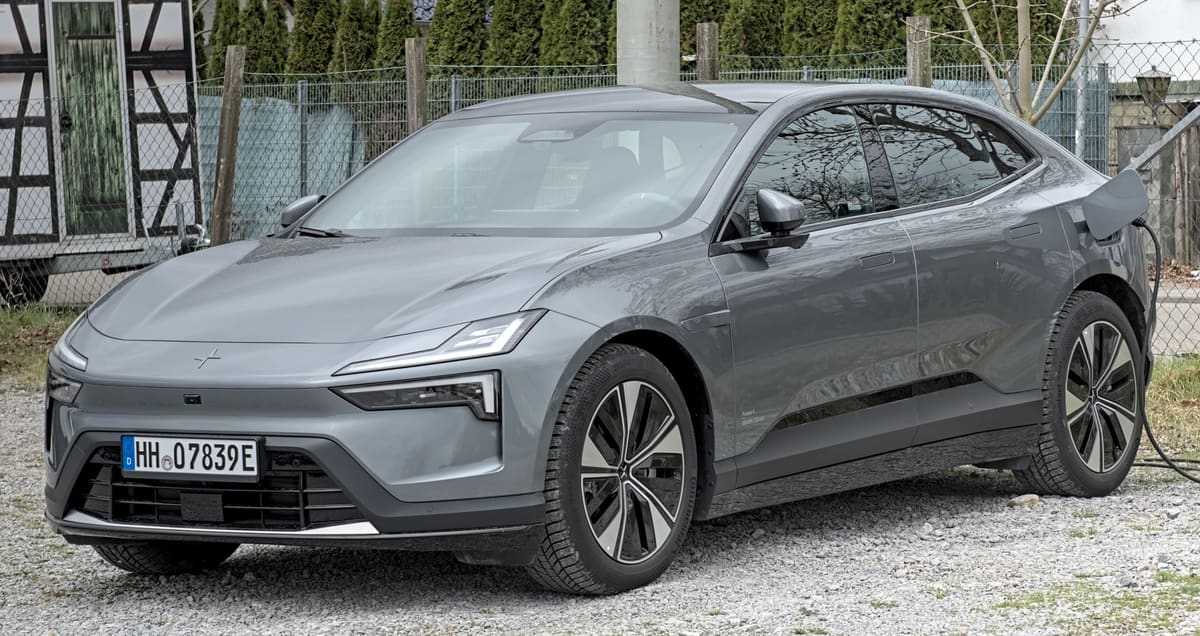
The Polestar 4 is generally a reliable electric vehicle, but like any car, it can encounter issues that may lead to an MOT failure. Common problems include issues with lights, brakes, and suspension components. Addressing these failures can vary in cost, but early intervention can save money in the long run.
Lights and Electrical Components
One of the most frequent reasons for MOT failures in the Polestar 4 is related to lights and electrical components. This includes headlights, brake lights, and indicators not functioning correctly. The DVSA MOT data indicates that lighting issues account for a significant portion of failures across many vehicle models.
Regular checks of all lights can help prevent these failures.
Braking System
The braking system is crucial for safety and is another common area where the Polestar 4 may experience MOT failures. Problems can arise from worn brake pads, damaged discs, or issues with the brake fluid.
If the brake fluid needs changing or there are issues with the brake lines, costs can increase further. Regular maintenance and inspections can help ensure the braking system remains in good condition.
Suspension and Steering
Suspension and steering components are vital for vehicle handling and comfort. MOT failures often occur due to worn shock absorbers, damaged springs, or issues with the steering system. The DVSA MOT data suggests that suspension problems are a common cause of failure.
Steering issues can vary widely in cost, depending on whether it involves a simple alignment or more complex repairs. Regular checks can help identify problems early, potentially saving on costly repairs.
Tyres
Tyre condition is a critical factor in MOT assessments, and the Polestar 4 is no exception. Common issues include insufficient tread depth, uneven wear, or damage to the sidewalls. The DVSA MOT data indicates that tyres are one of the most frequently checked components during the test.
Ensuring that tyres are rotated regularly and maintaining proper inflation can help extend their lifespan and avoid MOT failures. Regular visual inspections can also identify any visible damage or wear.
Emissions and Exhaust System
Although the Polestar 4 is an electric vehicle and does not have a traditional exhaust system, it is still essential to ensure that any emissions-related components, such as the battery cooling system, are functioning correctly. While not a common failure point, any issues can lead to an MOT failure.
Regular servicing can help identify potential problems before they lead to an MOT failure, ensuring the vehicle remains compliant with regulations.
Bodywork and Structural Integrity
While not as common as mechanical failures, issues with bodywork and structural integrity can also lead to MOT failures. This may include rust, corrosion, or damage to chassis components.
Regular inspections can help catch these issues early, ensuring that the vehicle remains in good condition and passes its MOT without problems.
Frequently asked questions
What is the Polestar 4 mot?
The Polestar 4 mot refers to the Ministry of Transport test required for vehicles in the UK to ensure they meet safety and environmental standards. It is essential for keeping your vehicle roadworthy.
How often do I need to get my Polestar 4 mot done?
In the UK, your Polestar 4 must have an mot test every 12 months once it is three years old. It's important to keep track of the expiry date to avoid fines.
What happens if my Polestar 4 fails its mot?
If your Polestar 4 fails its mot, you will receive a list of issues that need to be addressed. You must fix these problems and have the vehicle retested before it can be legally driven.
Can I drive my Polestar 4 if the mot has expired?
No, you cannot legally drive your Polestar 4 if the mot has expired, unless you are driving it to a pre-booked mot appointment. Doing so can result in fines and penalties.
Where can I get my Polestar 4 mot tested?
You can get your Polestar 4 mot tested at any authorised mot testing centre in the UK. It's advisable to book an appointment in advance to ensure availability.
What documents do I need for my Polestar 4 mot?
You should bring your vehicle registration document and any previous mot certificates to the testing centre. Having these documents can help speed up the process.
Are there any common issues that might cause my Polestar 4 to fail its mot?
Common issues that can lead to an mot failure include worn tyres, faulty lights, and issues with the brakes. Regular maintenance can help prevent these problems.
How can I prepare my Polestar 4 for its mot?
To prepare your Polestar 4 for its mot, check the lights, tyres, and brakes, and ensure all fluids are topped up. A thorough inspection before the test can help identify any potential issues.