MOT failure rates
Renault Austral MOT failure rates: what to expect
What fails on a Renault Austral at MOT, how often, and what each fix typically costs.
Updated 4th September 2026
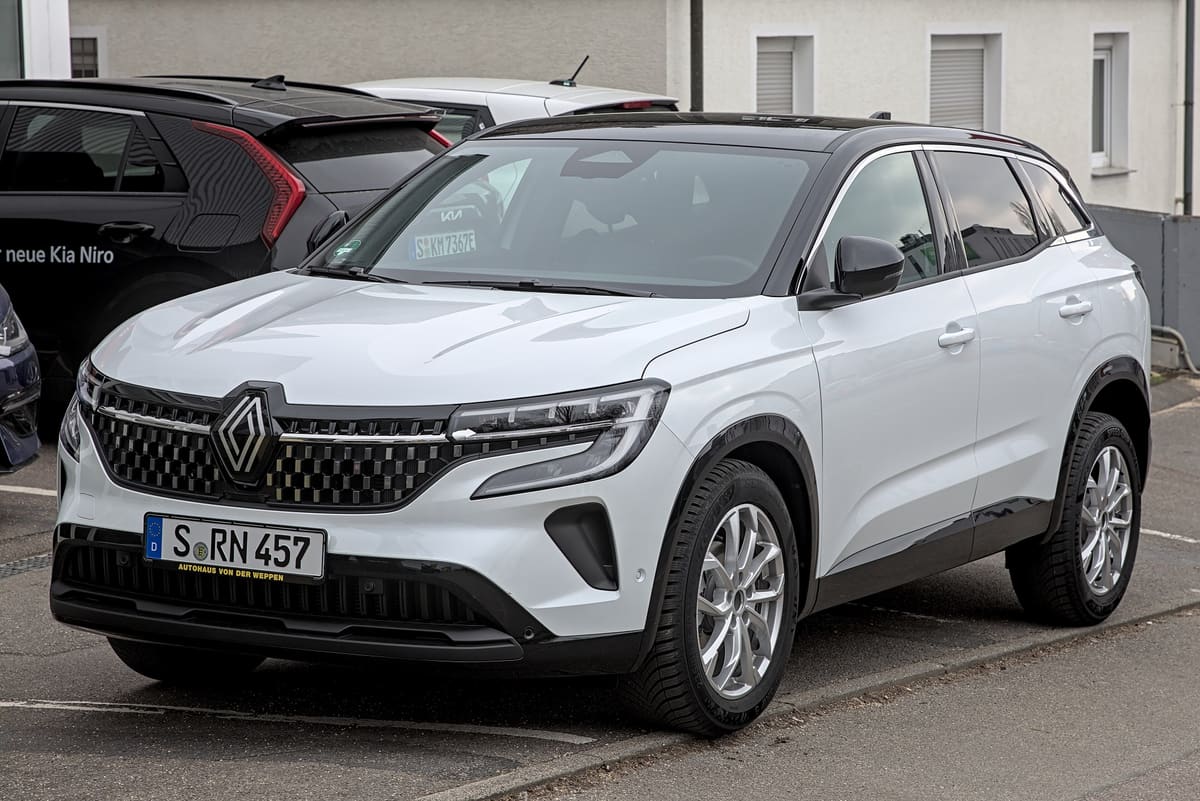
The Renault Austral often faces specific issues during its MOT tests. The most frequent failures include problems with the brakes, lights, and suspension components. Fixing these issues can vary in cost, but understanding them can help you prepare for your MOT and budget for necessary repairs.
Brake System Failures
One of the most common reasons the Renault Austral fails its MOT is due to brake system issues. This can include worn brake pads, discs, or even problems with the brake lines. A thorough inspection of the braking system is essential before the MOT.
Regular maintenance of the braking system can help prevent these failures.
Lighting Issues
Lighting failures are another frequent cause of MOT failures for the Renault Austral. This includes problems with headlights, tail lights, and indicators not functioning properly. Given the importance of visibility and safety, ensuring all lights are operational is crucial.
Regularly checking your lights can help avoid unexpected failures during the MOT.
Suspension Problems
Suspension components, including shock absorbers and springs, are vital for vehicle stability and comfort. The Renault Austral can experience wear and tear in these areas, leading to MOT failures. Symptoms of suspension issues include unusual noises or a bumpy ride.
Addressing suspension problems promptly can enhance driving comfort and safety, as well as improve the chances of passing the MOT.
Tyre Condition
Tyres are a critical safety feature and are often scrutinised during the MOT. The Renault Austral may fail if the tyres are worn beyond the legal limit or if there are issues such as sidewall damage or uneven wear. Ensuring your tyres are in good condition is essential for both safety and compliance.
Regularly checking tread depth and maintaining proper tyre pressure can help prevent premature wear and potential MOT failures.
Emissions and Exhaust System
Emissions testing is a key part of the MOT process, and the Renault Austral must meet specific environmental standards. Common issues include exhaust leaks or malfunctioning catalytic converters, which can lead to increased emissions and a failed test.
Keeping the exhaust system well-maintained can help ensure compliance with emissions standards.
Steering System Failures
The steering system is crucial for vehicle control and safety. Common failures in the Renault Austral can include issues with the steering rack or power steering system. Symptoms may include difficulty steering or unusual noises when turning.
Regular checks on the steering system can help identify problems early and avoid costly repairs before the MOT.
Renault Austral recall record
2 recalls have been issued for the Renault Austral, between 2024 and 2025.
Risk of parking brake actuator failing
R/2025/377Issued 9 September 2025
For certain vehicles a concern involving the electric traction reducer parking brake mechanism actuator or gearbox engagement actuator within the transmission may result in the parking brake mechanism actuator no longer correctly positioning the locking pawl in the “P lock”.
Remedy:Replacement of the electric traction reducer parking brake mechanism actuator or gearbox Engagement Actuator.
Affects cars built Apr 2024 to May 2025
Automatic Front Seat “Easy Access” Function
R/2024/038Issued 14 February 2024
When the easy access function is used on the front seats they may move and come in to contact with someone in the rear passenger seat possibility causing injury.
Remedy:As a preventive measure the remedy consists of updating the configuration files of the front seats' computers.
Affects cars built Apr 2022 to Nov 2023
A recall applies to a build range, not to every car of this model. Check a registration to see whether one specific vehicle has an outstanding recall.
Renault Austral official figures
Median across 30 variants on sale, petrol electric.
- Combined economy
- 60.1 mpg
- WLTP median across variants
- CO2 emissions
- 106 g/km
- Sets the first-year tax rate
Official figures for new cars. Real economy varies with driving, load and conditions.
Frequently asked questions
What is the Renault Austral mot?
The Renault Austral mot refers to the Ministry of Transport test that checks the vehicle's safety and environmental standards. It is a legal requirement for cars over three years old in the UK.
How often does my Renault Austral need an mot?
Your Renault Austral must have an mot test every year once it reaches three years of age. It's important to keep up with this to ensure your vehicle remains roadworthy.
What happens if my Renault Austral fails its mot?
If your Renault Austral fails its mot, you will receive a list of issues that need to be addressed. You must fix these problems and have the vehicle retested before it can be legally driven.
Can I drive my Renault Austral if the mot has expired?
No, you cannot legally drive your Renault Austral if the mot has expired, unless you are driving it to a pre-booked mot appointment. Driving without a valid mot can result in fines and penalties.
How can I prepare my Renault Austral for its mot?
To prepare your Renault Austral for its mot, check the lights, brakes, tyres, and fluid levels. It's also a good idea to ensure that there are no warning lights on the dashboard.
Where can I get my Renault Austral mot done?
You can get your Renault Austral mot done at any authorised mot testing centre. Many garages and dealerships offer this service, so you can choose one that is convenient for you.
What documents do I need for my Renault Austral mot?
You should bring your vehicle registration document and any previous mot certificates to the appointment. It's also helpful to have your insurance details handy.
How long does the mot test take for a Renault Austral?
The mot test for a Renault Austral typically takes about 45 minutes to an hour. However, this can vary depending on the garage and the condition of the vehicle.
Sources
- VCA new car fuel consumption and emissions data (Open Government Licence v3.0)
- DVSA vehicle safety recalls (Open Government Licence v3.0)