2014 to 2019 problems
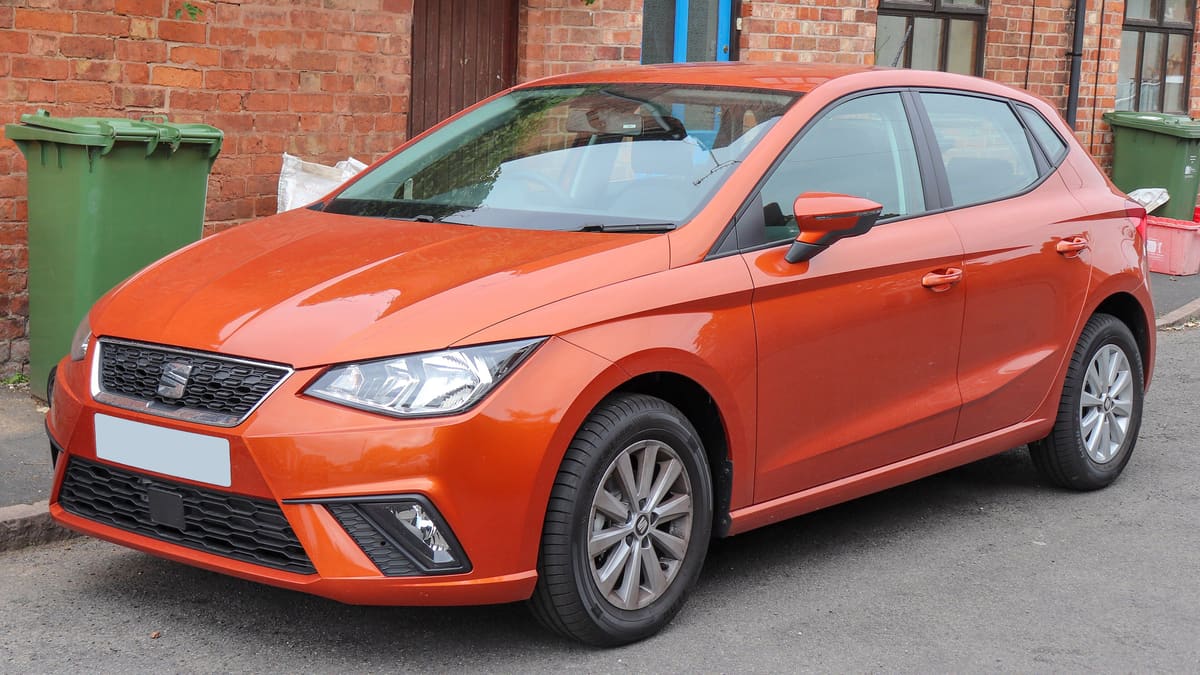
Seat Ibiza 2014 to 2019: common problems and what to know
What goes wrong on the 2014 to 2019 Seat Ibiza, what owners report and what to check before you buy one.
Updated 22nd June 2026 DVSA data: Across 188,214 recorded MOT tests, 28.2% failed.
TL;DR
The 2014 to 2019 Seat Ibiza is a generally solid choice, but buyers should be aware of common issues, particularly with the engine and electrics. Checking the service history and conducting a thorough inspection is advisable to avoid potential problems.
Key facts callout
- Common problems include electrical faults and engine issues.
- The 1.2 TSI engine is known for timing chain problems.
- Suspension components can wear prematurely.
- Overall reliability varies, with some owners reporting significant issues.
Engine and gearbox
The engine range for the 2014 to 2019 Seat Ibiza includes several petrol and diesel options. The 1.0 TSI petrol engine is well-regarded for its balance of performance and efficiency, while the 1.2 TSI has been noted for reliability concerns. Specifically, the 1.2 TSI engine can suffer from timing chain stretch and tensioner wear, leading to rough running and costly repairs if not addressed.
The 1.4 TSI engine, while offering more power, has also been associated with turbocharger issues, although these are less common. The diesel variants, particularly the 1.6 TDI, are known for good fuel economy but can face problems with the diesel particulate filter (DPF) if not driven regularly on longer journeys.
The manual gearbox is generally reliable, but some owners have reported issues with the DSG automatic transmission, particularly in earlier models. Problems can include hesitation during gear changes and unexpected jumps, which may require costly repairs.
Electrics and electronics
Electrical issues are a common concern among Seat Ibiza owners. Problems have been reported with the central locking system, where doors may not lock or unlock as expected. Additionally, some owners have experienced issues with the infotainment system, including connectivity problems with Bluetooth and navigation.
Another notable electrical issue involves the air conditioning system, which can fail to cool effectively. This is often due to leaks in the refrigerant system or compressor failure. Regular maintenance and checks can help mitigate these problems, but potential buyers should be aware of these common electrical faults.
Body and suspension
The bodywork of the Seat Ibiza is generally well-built, but some owners have reported issues with rust, particularly around the wheel arches and sills. This is more common in vehicles that have been exposed to harsh weather conditions or have not been adequately maintained.
Suspension problems can arise, with reports of premature wear on components such as shock absorbers and bushings. Noises from the front suspension, such as clunks or rattles, can indicate worn parts that may need replacement. Buyers should inspect the suspension thoroughly during a test drive and consider having a professional check for any underlying issues.
What people are asking
What is the most common problem with the SEAT Ibiza?
The most frequent issues reported include electrical faults, engine problems, and suspension wear.
What is the problem with the 2014 SEAT Ibiza 1.2 TSI?
The 1.2 TSI engine can develop timing chain stretch and tensioner wear, leading to rough performance.
Is the SEAT Ibiza 2019 a good car?
The 2019 model has received positive reviews for its design and technology, but some owners have reported reliability concerns.
Is the SEAT Ibiza a reliable car?
Reliability ratings for the Ibiza vary, with some models experiencing significant issues, particularly with the engine and electrics.
What owners say
However, there are consistent warnings about potential engine issues, especially with the 1.2 TSI variant. Owners often recommend ensuring a full service history and being cautious with models that have not been well-maintained. The general sentiment is that while the Ibiza can be a fun and practical car, buyers should be diligent about checking for common problems. Many Ibiza owners praise the car for its stylish design and enjoyable driving experience.
Should you buy a 2014 to 2019 Seat Ibiza?
The 2014 to 2019 Seat Ibiza can be a great choice for those looking for a compact car with a sporty feel and good fuel efficiency. However, potential buyers should be aware of the common issues, particularly with the 1.2 TSI engine and electrical systems. Conducting a thorough inspection and ensuring a comprehensive service history can help mitigate risks. Overall, if you find a well-maintained model, the Ibiza can be a reliable and enjoyable car to own.
Seat Ibiza recall record
17 recalls have been issued for the Seat Ibiza, between 1994 and 2025.
Passenger airbag replacement
R/2025/230Issued 30 June 2025
On affected vehicles defective passenger airbags may have been fitted. On affected vehicles the passenger airbag should be deactivated and the passenger seat not used until the recall action has been completed.
Remedy:Affected vehicles will be checked and the passenger airbags replaced if necessary.
Affects cars built Aug 2023 to Feb 2025
Front driver airbag replacement
R/2023/273Issued 11 September 2023
In vehicles produced in a specific period with airbags from manufacturer Takata in the event of an accident with airbag activation the driver airbag gas generator housing may explode.�
Remedy:Inspect the driver�s airbag and replace it if necessary.�
Affects cars built Jul 2015 to May 2017
THE BRACKET OF THE DOUBLE BELT BUCKLE MAY HAVE BEEN DAMAGED DURING THE FORMING PROCESS
R/2020/113Issued 20 April 2020
It is possible that the bracket of the double belt buckle has been damaged during the forming process.
Remedy:The double belt buckle must be replaced in all affected vehicles.
Affects cars built Feb 2020 to Feb 2020
THE ENGINE OIL MAY POSSIBLY REACH THE BRAKE SERVO THROUGH THE VACUUM HOSE
R/2020/090Issued 18 March 2020
It is possible that engine oil reaches the brake servo through the vacuum hose from the tandem pump to the brake servo.
Remedy:The vacuum line from the tandem pump is replaced. It must also be checked whether other components have come into contact with oil and therefore need to be replaced too.
Affects cars built Aug 2019 to Feb 2020
13 older recalls not shown.
A recall applies to a build range, not to every car of this model. Check a registration to see whether one specific vehicle has an outstanding recall.
Seat Ibiza MOT record
From 188,214 recorded MOT tests, 28.2% failed.
| Registered | Tests | Failed | Median mileage |
|---|---|---|---|
| 2023 | 539 | 8.0% | 19,691 mi |
| 2022 | 5,192 | 9.6% | 22,047 mi |
| 2021 | 8,314 | 10.2% | 30,040 mi |
| 2020 | 8,033 | 11.5% | 36,524 mi |
| 2019 | 12,837 | 14.7% | 41,978 mi |
| 2018 | 12,779 | 24.0% | 50,796 mi |
| 2017 | 15,569 | 25.4% | 56,862 mi |
| 2016 | 17,970 | 28.7% | 64,862 mi |
Most common reasons for failure
- Tyre tread depth not in accordance with the requirements28.8%
- A suspension pin, bush or joint excessively worn26.0%
- A tyre seriously damaged18.4%
- A shock absorber damaged to the extent that it does not function or showing signs of severe leakage14.3%
- Brake disc or drum excessively weakened, insecure or fractured12.5%
Figures cover every Seat Ibiza tested in the DVSA dataset, not this specific car. Check a registration for the actual history of one vehicle.
Seat Ibiza official figures
Median across 11 variants on sale, petrol.
- Combined economy
- 51.4 mpg
- WLTP median across variants
- CO2 emissions
- 125 g/km
- Sets the first-year tax rate
Official figures for new cars. Real economy varies with driving, load and conditions.
Frequently asked questions
What is the most common problem with the SEAT Ibiza?
Common issues include electrical faults, engine problems, and suspension issues.
What is the problem with the 2014 SEAT Ibiza 1.2 TSI?
The 1.2 TSI engine can experience timing chain stretch and tensioner wear, leading to rough running.
Sources
- DVSA anonymised MOT tests and results (Open Government Licence v3.0)
- VCA new car fuel consumption and emissions data (Open Government Licence v3.0)
- DVSA vehicle safety recalls (Open Government Licence v3.0)