Top fixes
Subaru Impreza top fixes: how owners handle the common issues
Practical fixes for the common Subaru Impreza faults owners run into.
Updated 4th September 2026 DVSA data: Across 15,306 recorded MOT tests, 20.7% failed.
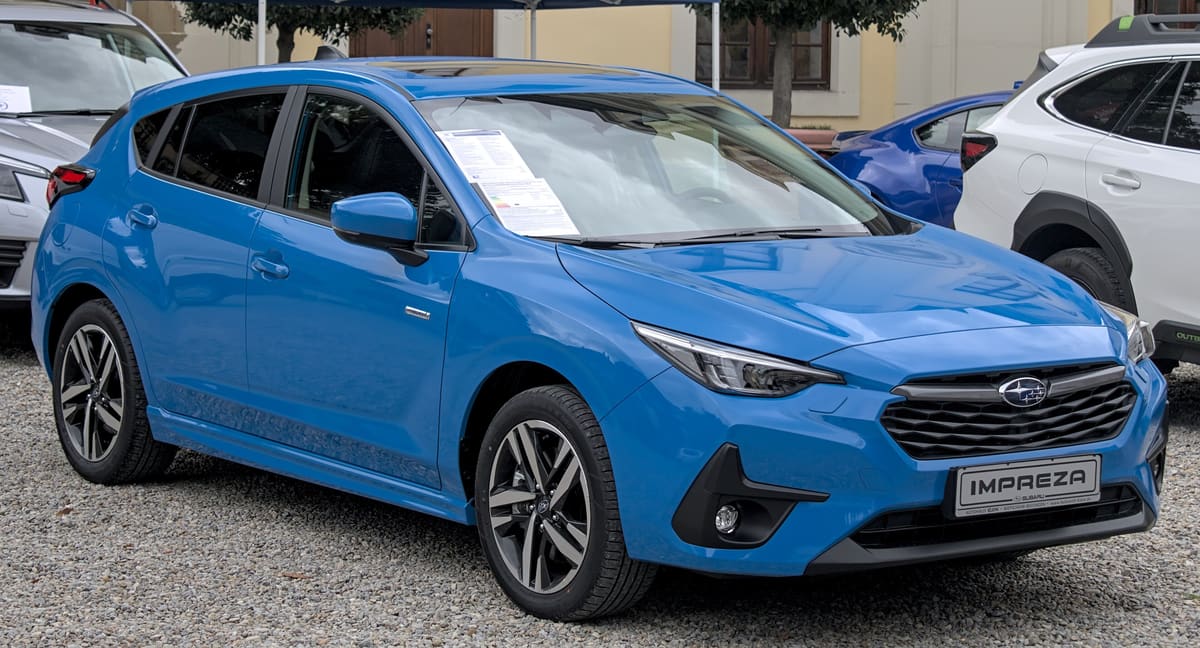
The Subaru Impreza is a well-regarded vehicle, but like any car, it can experience issues. Common problems include head gasket failure, suspension wear, and electrical faults. Fortunately, many of these issues have practical fixes that owners can implement to maintain performance and reliability.
Head Gasket Failure
One of the most notorious issues with the Subaru Impreza is head gasket failure, particularly in older models. This can lead to coolant leaks and engine overheating. To fix this, regular checks of the coolant levels and engine temperature are essential. If you notice any signs of coolant loss or overheating, a head gasket replacement may be necessary.
Preventive maintenance is key. Regular oil changes and using quality coolant can help reduce the risk of gasket failure. If the problem persists, consider using a head gasket sealer as a temporary fix, but be aware this is not a permanent solution.
Suspension Wear
Another common issue is suspension wear, which can affect handling and ride comfort. Owners often report clunking noises or a bouncy ride, indicating worn shocks or struts. To address this, inspect the suspension components regularly for signs of wear and replace any damaged parts.
Upgrading to performance shocks or struts can enhance ride quality and handling. Additionally, ensuring that the wheel alignment is correct can prevent uneven tyre wear and prolong the life of suspension components. Regular checks can help catch issues early before they escalate.
Electrical Faults
Electrical issues can be frustrating for Subaru Impreza owners, with problems often manifesting as dashboard warning lights or malfunctioning features. Common culprits include battery failure, faulty alternators, or issues with wiring. To fix these problems, start with a thorough inspection of the battery and alternator, ensuring they are functioning correctly.
If warning lights appear, using an OBD-II scanner can help identify the specific issue. For more complex electrical problems, consulting a professional is advisable, as they can diagnose and repair wiring faults that may not be immediately visible.
Oil Consumption
Excessive oil consumption is a concern for some Subaru Impreza owners, particularly those with turbocharged engines. This can lead to frequent oil top-ups and potential engine damage if not addressed. To mitigate this, regular oil level checks are crucial, and using high-quality oil can help reduce consumption.
If you find that your vehicle is consuming oil at an alarming rate, consider having the engine inspected for leaks or worn piston rings. In some cases, an engine rebuild may be necessary, but this can be costly. Regular maintenance and monitoring can help catch issues early.
Brake Issues
Brake problems are not uncommon in the Subaru Impreza, with owners reporting issues such as squeaking, grinding, or a spongy brake pedal. To fix these issues, start by inspecting the brake pads and discs for wear. Replacing worn components can restore braking performance.
Additionally, ensure that the brake fluid is at the correct level and free from contamination. If the brake pedal feels spongy, it may indicate air in the brake lines, requiring a brake bleed to restore proper function. Regular brake maintenance is essential for safety and performance.
Tyre Wear and Alignment
Tyre wear and alignment issues can affect the Subaru Impreza’s handling and fuel efficiency. Uneven tyre wear often indicates alignment problems, which can be resolved by having the wheels aligned properly. Regularly rotating the tyres can also help ensure even wear and prolong their lifespan.
Check the tyre pressure regularly, as under-inflated tyres can lead to increased wear and reduced fuel efficiency. If you notice any vibrations or pulling to one side while driving, it may be time for a wheel alignment or tyre rotation. Keeping an eye on your tyres can enhance both safety and performance.
Subaru Impreza recall record
14 recalls have been issued for the Subaru Impreza, between 2004 and 2022.
THE ELECTRONIC PARK BRAKE CONNECTOR MAY DISCONNECT
R/2022/260Issued 1 September 2022
The electronic park brake connector may disconnect.
Remedy:Inspect the electronic park brake connector and if necessary fit a retaining clip.
Affects cars built May 2014 to Nov 2018
POTENTIAL FAILURE OF THE IGNITION COIL MODULE CAUSING ENGINE STALL AND A NONE START CONDITION
R/2021/353Issued 1 November 2021
Ignition coils may short circuit and fail.�
Remedy:Replace all ignition coils. If a misfire DTC is stored replace the front exhaust pipe.�
Affects cars built Sept 2016 to Oct 2019
BRAKE HOSE FITTING CAULKING AREA HAS INSUFFICIENT SEALING
R/2020/315Issued 15 November 2020
Vehicles are equipped with brake hose fittings with insufficient sealing.
Remedy:Replace affected brake hoses with a countermeasure part.
Affects cars built Jul 2016 to Aug 2018
DUE TO IMPROPER ECM PROGRAMMING UNDER CERTAIN CIRCUMSTANCES THE IGNITION COIL MAY BE ENERGIZED LONGER THAN DESIGNED AFTER THE ENGINE IS OFF
R/2020/316Issued 15 November 2020
Possible engine stall and restart failure.
Remedy:Re-programme the engine control module and replace if required the ignition coil.
Affects cars built Sept 2016 to Oct 2019
10 older recalls not shown.
A recall applies to a build range, not to every car of this model. Check a registration to see whether one specific vehicle has an outstanding recall.
Subaru Impreza MOT record
From 15,306 recorded MOT tests, 20.7% failed.
| Registered | Tests | Failed | Median mileage |
|---|---|---|---|
| 2018 | 200 | 9.0% | 42,164 mi |
| 2015 | 213 | 15.5% | 62,832 mi |
| 2010 | 717 | 23.7% | 89,140 mi |
| 2009 | 695 | 21.1% | 89,419 mi |
| 2008 | 933 | 22.8% | 96,334 mi |
| 2007 | 1,646 | 23.1% | 92,198 mi |
| 2006 | 1,571 | 20.1% | 97,923 mi |
| 2005 | 2,081 | 21.1% | 104,314 mi |
Most common reasons for failure
- A suspension pin, bush or joint excessively worn29.0%
- The strength or continuity of the load bearing structure within 30cm of any sub-frame, spring or suspension component mounting (a 'prescribed area') is significantly reduced or inadequately repaired22.2%
- A suspension component excessively damaged or corroded19.5%
- Tyre tread depth not in accordance with the requirements16.8%
- A tyre seriously damaged12.5%
Figures cover every Subaru Impreza tested in the DVSA dataset, not this specific car. Check a registration for the actual history of one vehicle.
Frequently asked questions
What are common issues with the Subaru Impreza?
Common issues with the Subaru Impreza include engine misfires, electrical problems, and suspension wear. Regular maintenance can help mitigate these problems.
How can I tell if my Subaru Impreza needs a new clutch?
Signs that your Subaru Impreza may need a new clutch include difficulty shifting gears, a burning smell, or a spongy clutch pedal. If you notice these symptoms, it is best to have it checked by a professional.
What should I check before buying a used Subaru Impreza?
Before buying a used Subaru Impreza, check the service history, look for signs of rust, and inspect the tyres and brakes. A thorough vehicle check can also reveal any hidden issues.
Are there any recalls on the Subaru Impreza?
Recalls are issued against individual vehicles rather than a model as a whole, so a model-level yes or no would be guesswork. Enter the registration on Honest Car Check and we check the DVSA record for that specific car. Where DVSA holds no status, confirm it with a franchised dealer using the VIN.
How often should I service my Subaru Impreza?
It is recommended to service your Subaru Impreza every 12 months or 12,000 miles, whichever comes first. Regular servicing helps maintain performance and reliability.
What are the signs of a failing head gasket in a Subaru Impreza?
Signs of a failing head gasket include overheating, white smoke from the exhaust, and coolant leaks. If you notice any of these symptoms, it is crucial to seek professional help immediately.
Is it expensive to repair a Subaru Impreza?
Repair costs for a Subaru Impreza can vary depending on the issue and the model year. Generally, routine maintenance is affordable, but more serious repairs can be costly.
What should I do if my Subaru Impreza's check engine light comes on?
If the check engine light comes on, it is advisable to have your vehicle diagnosed as soon as possible. Ignoring the light can lead to more serious issues down the line.
Sources
- DVSA anonymised MOT tests and results (Open Government Licence v3.0)
- DVSA vehicle safety recalls (Open Government Licence v3.0)