Reliability
Toyota Prius reliability: how dependable is it really?
What Toyota Prius owners actually report, by year, plus what MOT data tells us about its reliability.
Updated 23rd June 2026 DVSA data: Across 162,575 recorded MOT tests, 13.3% failed.
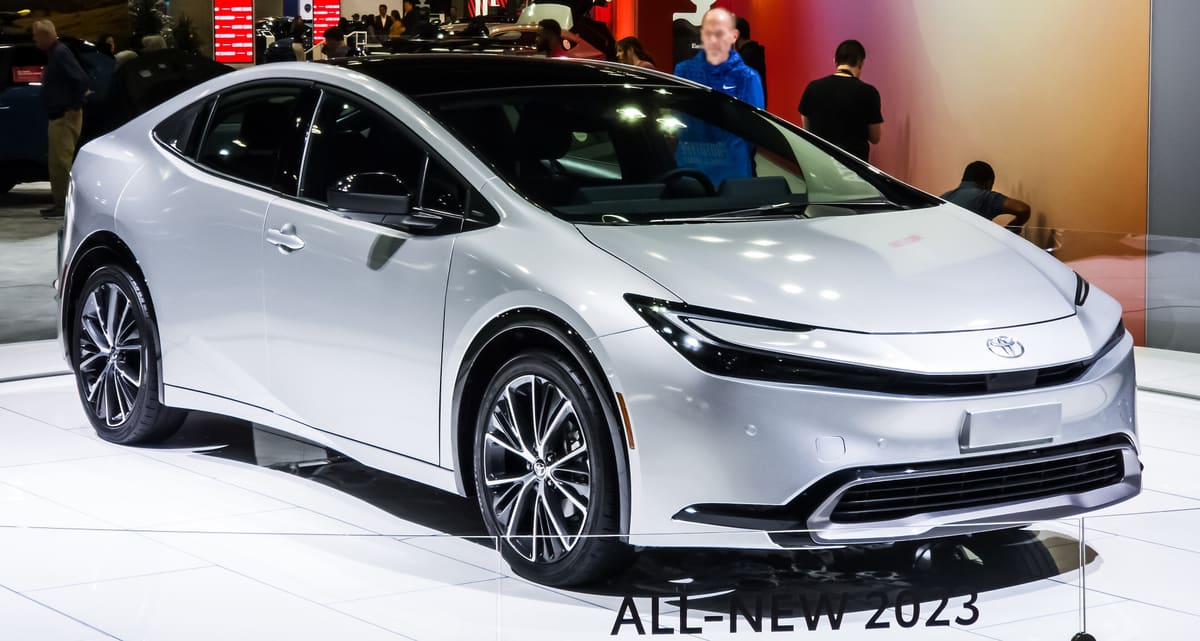
The Toyota Prius is generally regarded as a reliable vehicle, with many owners reporting minimal issues over the years. Its hybrid technology is well-engineered, contributing to its dependability. However, reliability can vary by model year, with some years showing more concerns than others.
Overview of Toyota Prius Reliability
The Toyota Prius has built a strong reputation for reliability since its introduction in the late 1990s. Many owners praise its longevity and low running costs. The hybrid system is designed to be durable, and the car often requires less maintenance than traditional petrol or diesel vehicles. However, certain model years have experienced more issues than others, which is worth considering for prospective buyers.
The DVSA MOT data also indicates that the Prius has a good pass rate for its age, suggesting that many owners experience few significant problems. Overall, the Prius is a solid choice for those prioritising reliability in a hybrid vehicle.
Early Models (1997-2003)
The first-generation Prius, launched in 1997, set the foundation for Toyota’s hybrid technology. While it was innovative, early models faced some reliability concerns, particularly with the battery and electrical systems. Owners reported issues related to the hybrid battery’s lifespan, which could lead to costly replacements.
Despite these challenges, many early Prius owners found their vehicles to be dependable for daily use. Regular maintenance and proper care could mitigate some of the early issues. Overall, while not as reliable as later models, the first-generation Prius still offered a glimpse of Toyota’s commitment to hybrid technology.
Second Generation (2004-2009)
The second-generation Prius marked a significant improvement in reliability compared to its predecessor. This model introduced a more robust hybrid system and improved fuel efficiency. Owners generally reported fewer issues, with the car’s electrical and battery systems becoming more reliable.
However, some users noted problems with the braking system and suspension components. Regular servicing and attention to these areas can help maintain the vehicle’s reliability. Overall, the second-generation Prius is considered a dependable choice, with many owners enjoying trouble-free driving experiences.
Third Generation (2010-2015)
The third-generation Prius further enhanced reliability and performance. This model benefitted from advancements in hybrid technology, resulting in better fuel economy and a more refined driving experience. Owners frequently report high satisfaction levels, with fewer mechanical issues compared to earlier models.
Nevertheless, some drivers experienced problems with the infotainment system and minor electrical glitches. These issues, while not widespread, can be frustrating for owners. Overall, the third-generation Prius is seen as one of the most reliable models in the Prius lineup, making it a popular choice among used car buyers.
Fourth Generation (2016-Present)
The fourth-generation Prius, introduced in 2016, continued Toyota’s trend of reliability. This model features a more efficient hybrid system and improved safety features. Owners have generally reported fewer issues, with the vehicle’s build quality receiving positive feedback.
However, some users have mentioned concerns regarding the visibility and driving position. While these are not mechanical issues, they can affect the overall driving experience. The fourth-generation Prius remains a strong contender in the reliability stakes, appealing to those seeking a dependable hybrid vehicle.
Common Issues Across Generations
While the Toyota Prius is known for its reliability, certain issues have been reported across various generations. Common problems include battery performance, electrical system glitches, and occasional suspension wear. Understanding these potential issues can help owners maintain their vehicles effectively.
Regular maintenance, including battery checks and software updates, can mitigate many of these concerns. Additionally, staying informed about recalls and service bulletins can ensure that owners address any potential issues before they escalate. Overall, while the Prius is a dependable vehicle, being proactive about maintenance can enhance its longevity.
The Importance of Regular Maintenance
Regardless of the model year, regular maintenance is crucial for ensuring the reliability of any Toyota Prius. Routine servicing, including oil changes, brake inspections, and battery health checks, can prevent many common issues. Following the manufacturer’s recommended service schedule is essential for maintaining optimal performance.
Additionally, keeping an eye on the vehicle’s electrical systems and addressing any warning lights promptly can help prevent more significant problems down the line. By prioritising maintenance, owners can enjoy the full benefits of their Prius, ensuring that it remains a reliable and efficient vehicle for years to come.
Overall, the Toyota Prius stands out as a dependable choice in the hybrid market, with a solid track record of reliability across its generations.
Toyota Prius recall record
26 recalls have been issued for the Toyota Prius, between 2005 and 2026.
Relay and Wire Harness installation on certain Prius
R/2026/027Issued 16 March 2026
For affected vehicles that are equipped with an electric rear door lock system which includes a door opener switch and a rear door lock release actuator If the seal performance for this switch is reduced this can temporarily allow water to enter the switch which can cause the switch to activate and the door could open unexpectedly.
Remedy:Installation of relay and wire harness.
Affects cars built Feb 2023 to Nov 2025
INCORRECT PROGRAMMING IN RELATION TO TRANSMISSION SHIFT POSITION STATUS MIGHT CAUSE HYBRID SYSTEM TO SHUT DOWN
R/2021/332Issued 18 October 2021
Due to incorrect programming the hybrid vehicle ECU can incorrectly determine that the validation signal is erroneous for the shifter position
Remedy:Reprogram the Hybrid ECU.
Affects cars built May 2021 to Jul 2021
THE PRE-CRASH BRAKE ASSIST FUNCTION CAN BE DELAYED
R/2021/260Issued 9 August 2021
The pre-crash brake assist function can be delayed.
Remedy:Reprogram the Brake booster assembly with master cylinder ECU.
Affects cars built Aug 2020 to May 2021
UNDER CERTAIN CIRCUMSTANCES THE HYBRID UNIT MAY SHUT DOWN AND CAUSE LOSS OF MOTIVE POWER
R/2020/190Issued 27 July 2020
Under certain circumstances the hybrid unit may shut down and cause loss of motive power.
Remedy:Reprogram the Power Management ECU.
Affects cars built Feb 2014 to Nov 2015
22 older recalls not shown.
A recall applies to a build range, not to every car of this model. Check a registration to see whether one specific vehicle has an outstanding recall.
Toyota Prius MOT record
From 162,575 recorded MOT tests, 13.3% failed.
| Registered | Tests | Failed | Median mileage |
|---|---|---|---|
| 2024 | 335 | 5.4% | 31,719 mi |
| 2023 | 512 | 5.3% | 60,204 mi |
| 2022 | 1,676 | 5.2% | 41,769 mi |
| 2021 | 3,154 | 5.5% | 49,696 mi |
| 2020 | 10,202 | 7.3% | 57,792 mi |
| 2019 | 17,561 | 6.8% | 83,816 mi |
| 2018 | 15,557 | 7.8% | 95,141 mi |
| 2017 | 15,674 | 8.4% | 111,129 mi |
Most common reasons for failure
- Tyre tread depth not in accordance with the requirements33.9%
- A tyre seriously damaged19.8%
- A suspension pin, bush or joint excessively worn17.0%
- a brake lining or pad worn below 1.5mm15.1%
- A suspension joint dust cover missing or no longer prevents the ingress of dirt etc14.3%
Figures cover every Toyota Prius tested in the DVSA dataset, not this specific car. Check a registration for the actual history of one vehicle.
Toyota Prius official figures
Median across 4 variants on sale, electricity / petrol.
- Combined economy
- 65.2 mpg
- WLTP median across variants
- CO2 emissions
- 99 g/km
- Sets the first-year tax rate
- Electric range
- 48 miles
- Manufacturer WLTP figure
Official figures for new cars. Real economy varies with driving, load and conditions.
Frequently asked questions
How reliable is the Toyota Prius compared to other hybrids?
The Toyota Prius is generally regarded as one of the most reliable hybrid vehicles on the market. Its reputation for dependability is supported by numerous customer reviews and industry ratings.
What common issues should I look out for in a used Toyota Prius?
Common issues in used Toyota Priuses may include battery performance, brake problems, and electrical system faults. It's advisable to have a thorough vehicle check before purchasing.
How long does the battery last in a Toyota Prius?
The hybrid battery in a Toyota Prius typically lasts between 8 to 10 years, depending on usage and maintenance. Regular servicing can help extend its lifespan.
Are Toyota Priuses expensive to maintain?
Toyota Priuses are generally affordable to maintain, with lower servicing costs compared to many traditional petrol or diesel vehicles. Parts are widely available, which helps keep repair costs down.
Is the Toyota Prius a good choice for long-distance driving?
Yes, the Toyota Prius is a good option for long-distance driving due to its fuel efficiency and comfortable ride. Its hybrid engine provides a smooth driving experience on the motorway.
What is the warranty coverage for a new Toyota Prius?
A new Toyota Prius typically comes with a three-year warranty, covering defects in materials and workmanship. Additionally, the hybrid battery usually has an extended warranty for up to eight years.
How does the Toyota Prius perform in crash tests?
The Toyota Prius has consistently received high ratings in crash tests, demonstrating strong safety features and structural integrity. It is equipped with various safety technologies to protect occupants.
Can I expect good fuel economy from a Toyota Prius?
Yes, the Toyota Prius is known for its excellent fuel economy, often achieving impressive miles per gallon. This makes it a cost-effective choice for both city and motorway driving.
Sources
- DVSA anonymised MOT tests and results (Open Government Licence v3.0)
- VCA new car fuel consumption and emissions data (Open Government Licence v3.0)
- DVSA vehicle safety recalls (Open Government Licence v3.0)