Top fixes
Top Volkswagen Golf fixes every owner should know
Cheap, practical fixes for the Volkswagen Golf faults you actually meet, with rough costs and what a garage will charge.
Updated 4th September 2026 DVSA data: Across 867,120 recorded MOT tests, 20.8% failed.
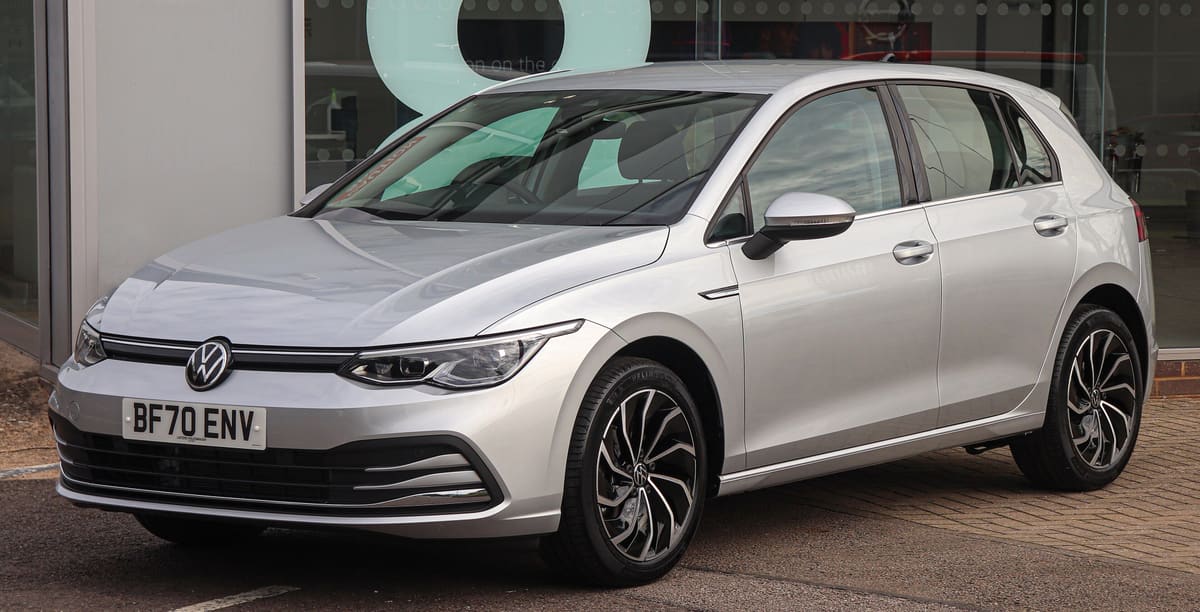
Volkswagen Golf models are generally reliable, but like any car, they have common issues that can be fixed with varying levels of effort. Many problems relate to electrical faults, suspension wear, or engine management. Some repairs are straightforward and suitable for DIY enthusiasts, while others require professional diagnostics and specialist tools.
Electrical Gremlins and Dashboard Warning Lights
Electrical faults are a frequent source of concern in the Golf, often manifesting as warning lights on the dashboard or intermittent failures of electrical components. Common symptoms include erratic behaviour of the central locking, windows, or infotainment system, and warning lights such as the engine management or ABS light coming on.
These issues are usually caused by faulty wiring, poor earth connections, or failing sensors. Moisture ingress in door modules or fuse boxes can also trigger electrical glitches. Repairing these faults typically involves inspecting wiring harnesses for damage or corrosion, cleaning and tightening earth points, and replacing malfunctioning sensors or control modules.
While some basic electrical checks and fuse replacements can be done by a competent DIYer, diagnosing complex faults often requires a garage with diagnostic equipment. Modern Golfs have sophisticated electronic systems, so professional intervention is advisable if multiple warning lights appear or if the fault persists after simple fixes.
Suspension and Steering Wear
Over time, the Golf’s suspension components such as bushes, shock absorbers, and anti-roll bar links can wear out, leading to knocking noises, poor ride comfort, or vague steering feel. Symptoms include clunks over bumps, uneven tyre wear, or the car pulling to one side.
The likely causes are worn suspension bushes, degraded shock absorbers, or loose steering components. Replacing these parts involves removing wheels and sometimes suspension arms, which can be moderately challenging. Bushes and shock absorbers are wear items and will need replacement after several years or miles.
DIY repairs are possible for those with some mechanical experience and the right tools, such as spring compressors and torque wrenches. However, alignment after suspension work is essential and requires specialist equipment, so a garage visit is recommended to ensure the car handles correctly and tyres wear evenly.
Engine Management and Misfire Issues
Golf engines can develop misfires or rough running, often indicated by the engine management light illuminating. This can be caused by faulty ignition coils, spark plugs, or fuel injectors. Other causes include vacuum leaks or issues with the mass airflow sensor.
The repair process involves checking and replacing ignition components like coils and plugs, cleaning or replacing sensors, and inspecting hoses for leaks. Regular maintenance such as spark plug changes can prevent many of these problems.
Replacing spark plugs and coils is generally a straightforward DIY job on most Golf engines, requiring basic hand tools and some patience. Sensor replacement or fuel system work may be more complex and better handled by a garage, especially if diagnostic tools are needed to pinpoint the fault.
Dual Mass Flywheel and Clutch Wear
On manual Golf models, a common issue is wear or failure of the dual mass flywheel and clutch assembly. Symptoms include juddering when pulling away, difficulty changing gears, or a rattling noise from the transmission area.
The cause is usually wear or damage to the flywheel’s internal damping springs or clutch disc. Repair involves removing the gearbox to access the flywheel and clutch, which is a labour-intensive job requiring specialist tools.
This repair is not suitable for DIY due to the complexity and weight of components involved. A garage with experience in Volkswagen transmissions is recommended to carry out the replacement and ensure the clutch system is correctly adjusted.
Cooling System and Thermostat Problems
Cooling system faults can cause the Golf to overheat or run at incorrect temperatures, often due to a sticking thermostat or failing water pump. Symptoms include fluctuating temperature gauge readings or heater performance issues.
Fixing these problems involves draining the coolant, removing the thermostat housing, and replacing the thermostat or water pump as needed. It is important to refill and bleed the cooling system correctly to avoid airlocks.
Replacing the thermostat is a manageable DIY job for those comfortable working with engine components and coolant. Water pump replacement is more involved and may require removing ancillary parts, so many owners prefer to have this done by a garage.
Common Interior and Trim Repairs
Wear and tear on interior trim, such as door handles, seat adjustment levers, or dashboard panels, is common in older Golfs. Symptoms include loose or broken trim pieces, rattles, or malfunctioning seat controls.
Most interior trim repairs involve unclipping or unscrewing panels and replacing broken parts. Replacement components are often available from Volkswagen or aftermarket suppliers.
These repairs are generally straightforward and well within the capabilities of a DIY enthusiast. Careful use of trim removal tools helps avoid damage, and following guides or videos can make the process easier. For electrical seat controls, some wiring knowledge may be required.
Volkswagen Golf MOT record
From 867,120 recorded MOT tests, 20.8% failed.
| Registered | Tests | Failed | Median mileage |
|---|---|---|---|
| 2023 | 930 | 4.4% | 23,052 mi |
| 2022 | 25,239 | 6.7% | 26,076 mi |
| 2021 | 28,087 | 7.7% | 35,036 mi |
| 2020 | 38,993 | 8.2% | 38,206 mi |
| 2019 | 52,166 | 10.5% | 46,624 mi |
| 2018 | 60,684 | 11.1% | 55,308 mi |
| 2017 | 68,953 | 12.2% | 63,546 mi |
| 2016 | 64,130 | 13.2% | 71,790 mi |
Most common reasons for failure
- Tyre tread depth not in accordance with the requirements29.1%
- A suspension pin, bush or joint excessively worn22.4%
- A tyre seriously damaged18.1%
- A shock absorber damaged to the extent that it does not function or showing signs of severe leakage16.8%
- A suspension component excessively damaged or corroded13.7%
Figures cover every Volkswagen Golf tested in the DVSA dataset, not this specific car. Check a registration for the actual history of one vehicle.
Volkswagen Golf official figures
Median across 68 variants on sale, diesel, electricity / petrol, petrol, petrol electric.
- Combined economy
- 51.4 mpg
- WLTP median across variants
- CO2 emissions
- 126 g/km
- Sets the first-year tax rate
Official figures for new cars. Real economy varies with driving, load and conditions.
Frequently asked questions
What are common faults in the Volkswagen Golf?
Common faults include electrical issues, coolant leaks, and suspension problems.
Can I fix these issues myself?
Many fixes are DIY-able, but some require professional help.
Are these fixes temporary or permanent?
Some fixes are temporary patches, while others are permanent repairs.
Sources
- DVSA anonymised MOT tests and results (Open Government Licence v3.0)
- VCA new car fuel consumption and emissions data (Open Government Licence v3.0)