Top fixes
Top Volkswagen T-Roc fixes every owner should know
Cheap, practical fixes for the Volkswagen T-Roc faults you actually meet, with rough costs and what a garage will charge.
Updated 4th September 2026 DVSA data: Across 92,119 recorded MOT tests, 7.3% failed.
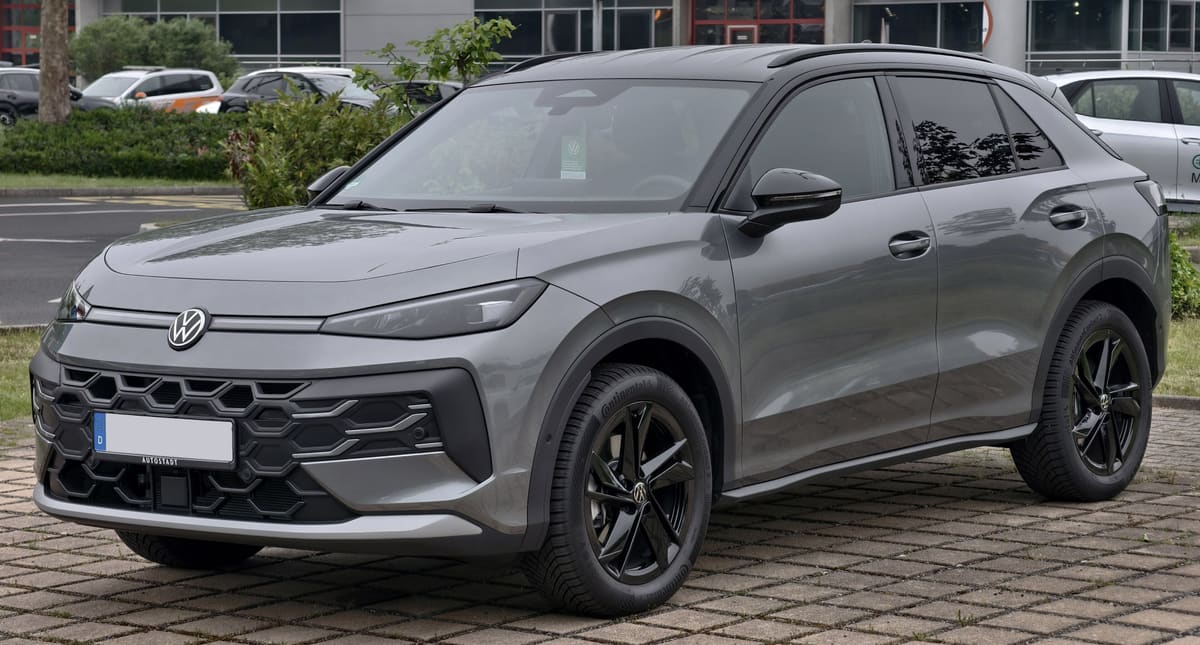
Volkswagen T-Roc owners may encounter a handful of common issues that can be addressed with practical fixes. Many problems relate to software glitches, electrical faults, or routine wear and tear. While some repairs are straightforward and suitable for DIY enthusiasts, others require professional diagnostics and specialist tools. Understanding the symptoms and causes helps determine the best approach to keep the T-Roc running smoothly.
Infotainment System Freezing or Rebooting
A frequent complaint with the T-Roc involves the infotainment system freezing or unexpectedly rebooting. This behaviour is usually caused by software glitches or outdated firmware.
The infotainment system relies on complex software that occasionally needs updates to fix bugs and improve stability. Owners can check for updates via the vehicle’s settings menu or by visiting a Volkswagen dealer. Installing updates is often a straightforward process that can be done at home if the system supports USB or wireless updates.
If the problem persists after updating, it may be due to a faulty control module or wiring issues. Diagnosing these faults requires specialised diagnostic equipment and is best handled by a garage. Attempting to open the infotainment unit or tamper with wiring is not recommended for DIYers.
Engine Warning Light and Rough Running
The engine warning light illuminating on the dashboard accompanied by rough running or hesitation can indicate several issues. Common causes include faulty sensors such as the oxygen sensor, mass air flow sensor, or ignition coil problems.
A simple first step is to have the car’s fault codes read using an OBD-II scanner. Many garages offer this service, and some affordable scanners are available for home use. Identifying the specific fault code points to the likely cause.
Replacing sensors or ignition coils is generally a straightforward job. For example, swapping out an oxygen sensor involves unplugging the old sensor and screwing in a new one. This can be a DIY task if you have basic mechanical skills and tools. However, if the fault relates to wiring or more complex engine management issues, professional intervention is advisable.
Clutch Judder or Slipping
Some T-Roc owners report clutch judder or slipping, especially in manual transmission models. This symptom manifests as a shudder when engaging the clutch or a loss of power transmission under acceleration.
Clutch judder can be caused by worn clutch components, contamination of the clutch plate with oil, or a misadjusted clutch cable or hydraulic system. Slipping usually indicates clutch wear or damage.
Replacing the clutch is a labour-intensive job requiring removal of the gearbox. This is not suitable for DIY and should be carried out by a garage with the correct tools and expertise. However, checking the clutch fluid level and condition is a simple maintenance task that owners can do to rule out hydraulic issues.
Door Lock and Central Locking Problems
Issues with the door locks or central locking system are common in modern cars including the T-Roc. Symptoms include doors not locking or unlocking properly, intermittent operation, or the key fob failing to communicate with the car.
These problems often arise from faulty door lock actuators, dead key fob batteries, or wiring faults in the door loom. Replacing a key fob battery is an easy DIY fix requiring only a small coin or screwdriver to open the fob.
If the door lock actuator is at fault, replacement involves removing the door trim and disconnecting the old unit. While this is possible for confident DIYers, it requires patience and attention to avoid damaging clips or wiring. Electrical faults in wiring looms are best diagnosed and repaired by a garage.
Suspension Noise or Harsh Ride
Suspension issues on the T-Roc can present as knocking noises over bumps or a harsh, uncomfortable ride. Common causes include worn suspension bushes, shock absorbers, or anti-roll bar links.
Visual inspection can reveal damaged or cracked bushes, leaking shock absorbers, or loose components. Replacing worn bushes or anti-roll bar links is a moderate DIY job if you have access to basic tools and a safe way to lift the car.
Shock absorber replacement is more involved and requires careful handling of suspension components. It is recommended to have a garage perform this work to ensure safety and correct installation. After suspension repairs, a wheel alignment check is advisable to maintain proper handling.
Diesel Particulate Filter (DPF) Blockage
For diesel T-Roc models, the diesel particulate filter can become blocked if the car is mainly used for short journeys or city driving. Symptoms include reduced engine power, increased fuel consumption, and warning lights.
The DPF is designed to trap soot particles and periodically regenerate by burning off the deposits at high temperatures. If regeneration fails, the filter clogs.
A practical fix is to undertake longer drives at motorway speeds to allow the filter to regenerate naturally. This is a simple, cost-free solution for owners who can occasionally drive on open roads.
If the DPF remains blocked, a garage can perform a forced regeneration using diagnostic equipment or clean the filter. In severe cases, filter replacement may be necessary. DIY cleaning is not recommended due to the complexity and risk of damage.
By understanding these common Volkswagen T-Roc issues and their practical fixes, owners can better decide when to tackle repairs themselves and when to seek professional help. Regular maintenance and prompt attention to warning signs help maintain reliability and enjoyment of this popular compact SUV.
Volkswagen T-Roc MOT record
From 92,119 recorded MOT tests, 7.3% failed.
| Registered | Tests | Failed | Median mileage |
|---|---|---|---|
| 2023 | 1,556 | 4.6% | 20,184 mi |
| 2022 | 17,130 | 6.4% | 22,692 mi |
| 2021 | 20,595 | 6.5% | 30,028 mi |
| 2020 | 16,596 | 7.5% | 36,672 mi |
| 2019 | 20,596 | 8.0% | 44,514 mi |
| 2018 | 15,646 | 8.4% | 50,202 mi |
Most common reasons for failure
- A tyre seriously damaged31.8%
- Tyre tread depth not in accordance with the requirements30.5%
- a brake lining or pad worn below 1.5mm22.4%
- Brake disc or drum excessively weakened, insecure or fractured9.7%
- A shock absorber damaged to the extent that it does not function or showing signs of severe leakage5.6%
Figures cover every Volkswagen T-Roc tested in the DVSA dataset, not this specific car. Check a registration for the actual history of one vehicle.
Volkswagen T-Roc official figures
Median across 48 variants on sale, diesel, petrol.
- Combined economy
- 44.8 mpg
- WLTP median across variants
- CO2 emissions
- 142.5 g/km
- Sets the first-year tax rate
Official figures for new cars. Real economy varies with driving, load and conditions.
Frequently asked questions
What are common faults with the Volkswagen T-Roc?
Common faults include electrical issues, faulty air conditioning, and problems with the infotainment system.
Can I fix these issues myself?
Many of the fixes are DIY-able, especially minor electrical issues and replacing fuses.
Is it worth fixing a T-Roc?
If the car is otherwise in good condition, fixing common faults can extend its life and improve reliability.
Sources
- DVSA anonymised MOT tests and results (Open Government Licence v3.0)
- VCA new car fuel consumption and emissions data (Open Government Licence v3.0)