Running costs
Volkswagen Tiguan running costs: what UK ownership really costs
Volkswagen Tiguan UK running costs: fuel or electric, insurance group, road tax, servicing and depreciation.
Updated 24th September 2026 DVSA data: Across 253,542 recorded MOT tests, 16.1% failed.
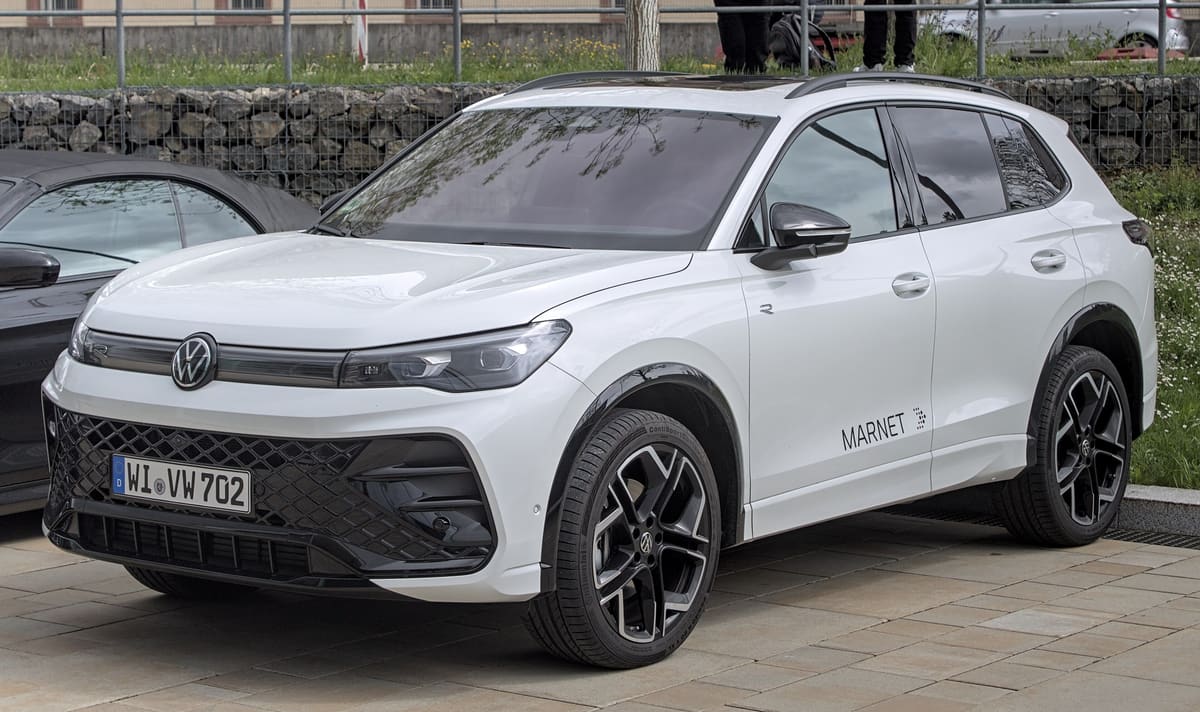
The Volkswagen Tiguan’s running costs are influenced by several factors including its tax band, insurance group, servicing schedule, and depreciation. Its tax liability depends on engine emissions and fuel type, insurance costs vary with model specifics and driver profile, servicing is generally straightforward but can be pricier than smaller cars, and its value retention is solid but varies by trim and condition.
How Vehicle Tax Affects the Volkswagen Tiguan’s Running Costs
Vehicle Excise Duty (VED), commonly known as road tax, is a key ongoing cost for any car owner. For the Tiguan, tax rates are primarily determined by the level of CO2 emissions and the fuel type of the model you choose.
Diesel versions of the Tiguan may attract higher tax rates if they do not meet the latest emissions standards, while petrol variants might fall into lower bands depending on their emissions output. Plug-in hybrid versions benefit from lower or even zero tax in the first year, but subsequent years may see standard rates apply. The government’s official website provides a tool to check the exact tax band for any specific Tiguan trim or engine.
Understanding the tax band is essential because it directly impacts annual running costs. Buyers should check the exact model’s emissions figures to estimate tax liabilities accurately, as these vary by engine size, fuel type, and model year.
Insurance Group and Its Impact on the Tiguan’s Running Costs
Insurance premiums for the Volkswagen Tiguan are influenced by the car’s insurance group rating, which reflects the risk profile based on factors like repair costs, performance, and security features.
The Tiguan typically sits in a moderate insurance group for SUVs, but this can fluctuate between trims and engine sizes. Models with more powerful engines or advanced features might be placed in higher groups, increasing premiums. Conversely, lower-powered or entry-level trims may attract more affordable insurance quotes.
Driver-specific factors such as age, driving history, and location also significantly affect insurance costs. Obtaining multiple quotes from different insurers is advisable to find the best deal. Websites that aggregate insurance quotes can help prospective buyers understand how the Tiguan’s insurance costs compare with similar vehicles.
Servicing and Maintenance Demands of the Volkswagen Tiguan
The Tiguan’s servicing schedule is generally straightforward but can be more demanding than smaller cars due to its SUV size and complexity. Routine maintenance includes oil changes, brake checks, and tyre rotations, with intervals often set by the manufacturer’s service plan.
Servicing costs can be higher than average because Volkswagen parts and labour rates tend to be at the premium end of the market. Features such as turbocharged engines or advanced driver assistance systems may require specialist attention, potentially adding to maintenance bills.
Regular servicing is crucial to maintain the vehicle’s reliability and resale value. Owners should follow the manufacturer’s recommended service intervals and consider extended warranties or service packages to manage costs effectively.
Fuel Economy and Its Role in Running Costs
Fuel consumption is a significant contributor to the Tiguan’s running costs. The model’s fuel economy varies widely depending on engine choice, transmission, and driving conditions.
Diesel engines generally offer better fuel efficiency on longer journeys, making them suitable for high-mileage drivers, but may be less economical in stop-start urban traffic. Petrol engines tend to be more responsive and cheaper to maintain but can consume more fuel under certain conditions. Hybrid versions aim to reduce fuel consumption further but come with a higher initial purchase price.
Drivers should consider their typical driving patterns and fuel prices when choosing a Tiguan variant, as this will influence overall running costs. Checking official fuel economy figures for the specific trim is recommended.
Depreciation and Residual Value of the Volkswagen Tiguan
The Tiguan holds its value reasonably well compared to many other SUVs in its class, but depreciation remains a major factor in its total cost of ownership. Factors influencing its residual value include model popularity, condition, mileage, and specification.
Higher-spec models with desirable features tend to retain value better, while older or less equipped versions may depreciate more quickly. Regular maintenance and keeping the vehicle in good condition also help preserve resale value.
Market demand for SUVs remains strong, which generally supports the Tiguan’s residual values. Prospective buyers should research recent sale prices of similar models to gauge expected depreciation over time.
Tyres, Repairs, and Other Running Costs
Tyre replacement is an inevitable running cost for the Tiguan, with costs influenced by tyre size and type. Larger wheels or performance tyres can be more expensive to replace. Regular checks and proper maintenance can extend tyre life and reduce costs.
Repairs outside of warranty may be pricier than average due to the Tiguan’s build quality and parts pricing. However, the car’s reputation for reliability means unexpected repairs are not typically frequent.
Other running costs such as MOT tests, parking charges, and congestion zone fees should also be factored in, especially for urban drivers. Overall, understanding these elements helps owners budget realistically for the Tiguan’s ownership.
Volkswagen Tiguan MOT record
From 253,542 recorded MOT tests, 16.1% failed.
| Registered | Tests | Failed | Median mileage |
|---|---|---|---|
| 2023 | 1,124 | 9.5% | 23,590 mi |
| 2022 | 19,276 | 9.8% | 26,830 mi |
| 2021 | 22,816 | 8.6% | 34,783 mi |
| 2020 | 23,952 | 9.7% | 40,730 mi |
| 2019 | 35,149 | 10.8% | 48,730 mi |
| 2018 | 29,077 | 12.3% | 59,182 mi |
| 2017 | 25,986 | 11.8% | 69,262 mi |
| 2016 | 18,392 | 16.0% | 75,752 mi |
Most common reasons for failure
- Tyre tread depth not in accordance with the requirements31.5%
- A suspension pin, bush or joint excessively worn26.5%
- A tyre seriously damaged15.1%
- a brake lining or pad worn below 1.5mm14.0%
- Brake disc or drum excessively weakened, insecure or fractured13.1%
Figures cover every Volkswagen Tiguan tested in the DVSA dataset, not this specific car. Check a registration for the actual history of one vehicle.
Volkswagen Tiguan official figures
Median across 29 variants on sale, diesel, electricity / petrol, petrol, petrol electric.
- Combined economy
- 47.1 mpg
- WLTP median across variants
- CO2 emissions
- 143 g/km
- Sets the first-year tax rate
Official figures for new cars. Real economy varies with driving, load and conditions.
Frequently asked questions
What should I expect for routine servicing costs on a Volkswagen Tiguan?
Routine servicing for a Tiguan typically involves oil and filter changes, air filter replacement, and brake fluid checks. Volkswagen recommends specific service intervals where the DSG transmission oil and spark plugs may also be inspected or replaced depending on the engine type.
Are there any particular parts on the Tiguan that wear out faster than others?
The Tiguan’s diesel particulate filter can become clogged if you mostly drive short distances, leading to warning lights on the dashboard. Regular longer drives help clear it, but if the light stays on, a garage may need to clean or replace the filter.
How expensive is it to replace the timing belt on a Volkswagen Tiguan?
Replacing the timing belt is a key maintenance task for many Tiguan engines. It usually requires removing several components including the camshaft pulleys and tensioners. This job is best done by a specialist to avoid engine damage.
Does the Volkswagen Tiguan have any specific electrical issues to watch for?
Some Tiguan owners report problems with the central locking system or electric windows, often caused by faulty door control modules. If you notice intermittent locking or windows not responding, a diagnostic check can identify the faulty unit.
What kind of fuel should I use to keep running costs down on a Tiguan?
Using the correct grade of petrol or diesel as specified in your Tiguan’s handbook helps maintain engine efficiency and avoid knocking. Running lower quality fuel can cause deposits in the fuel injectors, which may reduce performance and increase servicing needs.
How often do the brake pads and discs need replacing on a Tiguan?
Brake wear depends on driving style, but the Tiguan’s front brake pads and discs typically require inspection every service. Signs like squealing noises or a spongy brake pedal suggest it’s time for a garage to check and possibly replace these components.
Are there any maintenance checks I can do myself to reduce running costs?
You can regularly check tyre pressures and tread depth on your Tiguan to improve fuel economy and safety. Also, keep an eye on engine oil levels and top up if necessary between services to avoid engine wear.
What should I know about the DSG gearbox maintenance on a Volkswagen Tiguan?
The Tiguan’s DSG gearbox requires periodic oil and filter changes to maintain smooth shifting. Ignoring this can lead to clutch wear and shifting problems. A specialist garage will perform this service using Volkswagen-approved fluids.
Sources
- DVSA anonymised MOT tests and results (Open Government Licence v3.0)
- VCA new car fuel consumption and emissions data (Open Government Licence v3.0)