MOT failure rates
Volvo V60 MOT failure rates: what to expect
What fails on a Volvo V60 at MOT, how often, and what each fix typically costs.
Updated 4th September 2026 DVSA data: Across 40,814 recorded MOT tests, 19.2% failed.
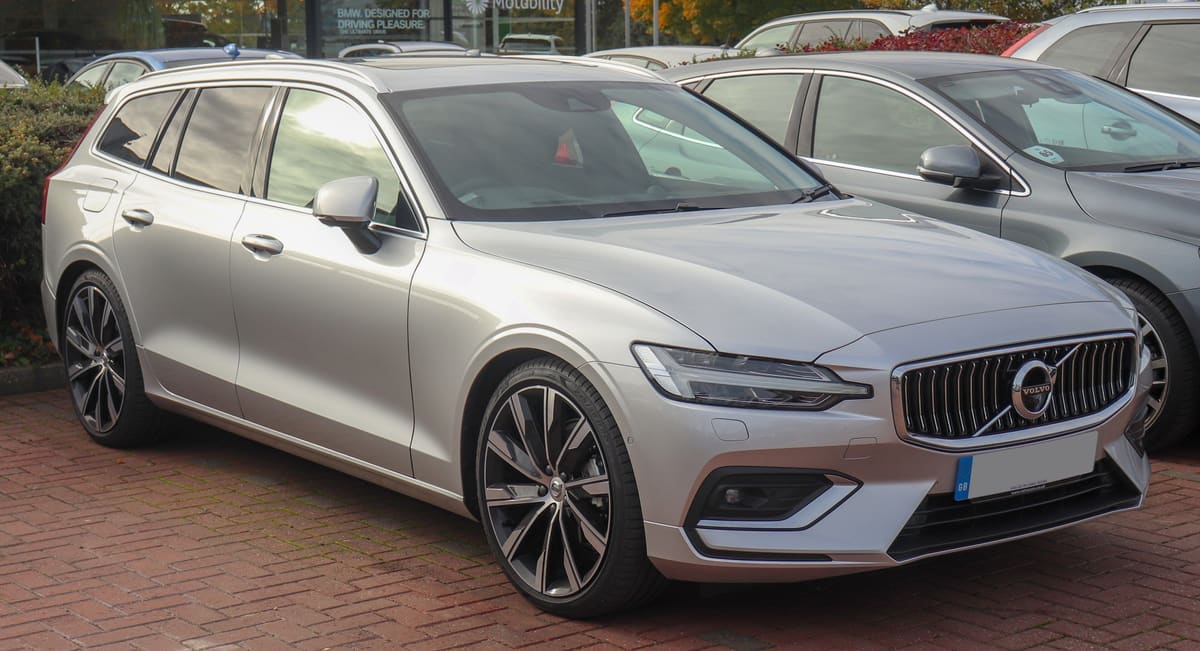
The Volvo V60 is generally a reliable vehicle, but like any car, it can encounter issues that lead to MOT failures. The most common problems include issues with the brakes, suspension, lights, and emissions. Fixing these problems can vary in cost depending on the severity and parts required.
Brake System Failures
Brakes are critical for safety, and they often fail MOT tests due to worn pads, discs, or fluid leaks. The DVSA MOT data indicates that brake-related failures are among the top reasons for MOT rejections.
Regular maintenance can help avoid these costs, as worn brakes can lead to more extensive damage if not addressed promptly.
Suspension Issues
Suspension problems are another common reason for MOT failures in the Volvo V60. Components such as shock absorbers, springs, and bushings can wear out over time, affecting ride quality and handling.
If springs or bushings are also damaged, the total repair bill can increase significantly. Keeping an eye on any unusual noises or handling issues can help catch these problems early.
Lighting Failures
Lighting issues are frequently cited in MOT failures. This includes problems with headlights, brake lights, and indicators. The Volvo V60’s advanced lighting systems can sometimes lead to electrical faults, which may not be immediately obvious.
Regularly checking all lights and replacing bulbs as needed can help ensure compliance during the MOT.
Emissions Control Problems
Emissions failures are increasingly common as regulations tighten. The Volvo V60, particularly diesel models, can face issues with the diesel particulate filter (DPF) and exhaust gas recirculation (EGR) systems.
Keeping up with regular servicing and using the correct fuel can help mitigate these issues.
Tyre Condition and Tread Depth
Tyres are a vital safety component and are often checked during an MOT. The legal minimum tread depth in the UK is 1.6mm, and tyres that fall below this threshold will result in an automatic failure.
Regularly checking tyre pressure and tread depth can help avoid unexpected costs and ensure safety on the road.
Windscreen and Wiper Failures
Windscreen chips and wiper blade issues are common MOT failures that can be easily overlooked. A damaged windscreen can obstruct the driver’s view, leading to a fail, while worn wipers can fail to clear the screen effectively.
Regular checks can help keep visibility clear and safe.
By understanding these common MOT failures and their associated costs, Volvo V60 owners can take proactive steps to maintain their vehicles and ensure they pass their MOT tests with ease. Regular servicing and addressing issues promptly can save money and enhance safety on the road.
Volvo V60 recall record
39 recalls have been issued for the Volvo V60, between 2010 and 2025.
Seatbelt Torsion Bar
R/2025/386Issued 6 October 2025
For affected vehicles there is a potential defect in the torsion bar within the front seatbelt system.
Remedy:Replacement of the affected seat belts.
Affects cars built Jun 2025 to Aug 2025
BCM2 SW – Safety Notice
R/2025/211Issued 23 June 2025
Affected vehicles may experience a temporary loss of braking functionality after coasting downhill with ‘B’ mode selected or when using One Pedal Drive. This could potentially lead to a collision.
Remedy:Install modified software via an Over the Air (OTA) update.
Affects cars built Jun 2019 to Jun 2025
SPA1 Cell Modules
R/2025/117Issued 24 March 2025
On affected vehicles the High Voltage (HV) Battery may have a manufacturing defect which could cause the battery cells to overheat when the HV Battery is fully charged. In a worst-case scenario there is a risk of fire when the vehicle is parked up with a fully charged HV Battery.
Remedy:Check and replace the HV Battery if necessary and install modified software.
Affects cars built May 2019 to Dec 2021
BCM2 – Push Road
R/2024/446Issued 5 November 2024
The rod connecting the brake pedal to the brake booster may not have been assembled correctly. The final torque might not be according to manufacturing specification due to deviations in the equipment. If the rod does disconnect the mechanical connection between brake pedal and brake booster cannot be guaranteed. In the worst-case scenario if the rod disconnects the brake pedal function cannot be guaranteed
Remedy:A Volvo retailer will check and if necessary tighten the rod to correct specification.
Affects cars built May 2019 to Aug 2020
35 older recalls not shown.
A recall applies to a build range, not to every car of this model. Check a registration to see whether one specific vehicle has an outstanding recall.
Volvo V60 MOT record
From 40,814 recorded MOT tests, 19.2% failed.
| Registered | Tests | Failed | Median mileage |
|---|---|---|---|
| 2022 | 1,374 | 10.0% | 31,558 mi |
| 2021 | 3,609 | 10.8% | 38,555 mi |
| 2020 | 3,037 | 11.8% | 44,984 mi |
| 2019 | 4,763 | 14.1% | 56,502 mi |
| 2018 | 3,849 | 14.0% | 63,919 mi |
| 2017 | 3,143 | 21.1% | 79,186 mi |
| 2016 | 3,760 | 19.7% | 89,245 mi |
| 2015 | 3,266 | 20.9% | 98,671 mi |
Most common reasons for failure
- Tyre tread depth not in accordance with the requirements37.4%
- A tyre seriously damaged21.1%
- a brake lining or pad worn below 1.5mm19.9%
- A suspension pin, bush or joint excessively worn11.1%
- Brake disc or drum excessively weakened, insecure or fractured10.5%
Figures cover every Volvo V60 tested in the DVSA dataset, not this specific car. Check a registration for the actual history of one vehicle.
Volvo V60 official figures
Median across 23 variants on sale, electricity / petrol, petrol electric.
- Combined economy
- 41.5 mpg
- WLTP median across variants
- CO2 emissions
- 146 g/km
- Sets the first-year tax rate
- Electric range
- 55.5 miles
- Manufacturer WLTP figure
Official figures for new cars. Real economy varies with driving, load and conditions.
Frequently asked questions
What is the average fuel economy of the Volvo V60?
The fuel economy of the Volvo V60 can vary depending on the engine and model year. Generally, you can expect between 40 to 60 miles per gallon.
How reliable is the Volvo V60?
The Volvo V60 is known for its reliability and safety features. Many owners report a positive experience with minimal issues over time.
What are the common problems with the Volvo V60?
Common issues reported include electrical problems, issues with the infotainment system, and wear on suspension components. Regular maintenance can help mitigate these problems.
Is the Volvo V60 a good family car?
Yes, the Volvo V60 is considered a good family car due to its spacious interior, safety features, and comfortable ride. It also has a decent boot space for luggage.
What safety features does the Volvo V60 offer?
The Volvo V60 comes equipped with a range of safety features, including multiple airbags, stability control, and advanced driver assistance systems. These features contribute to its high safety ratings.
How does the Volvo V60 compare to its competitors?
The Volvo V60 competes well with other premium estates like the Audi A4 Avant and BMW 3 Series Touring. It offers a unique blend of style, safety, and practicality.
What is the warranty coverage for a used Volvo V60?
Warranty coverage for a used Volvo V60 can vary based on the age and mileage of the vehicle. Typically, a used car may still have some manufacturer warranty left or may come with a dealer warranty.
Are there hybrid or electric options for the Volvo V60?
Yes, the Volvo V60 is available in hybrid versions, offering a combination of petrol and electric power. This option provides better fuel efficiency and lower emissions.
Sources
- DVSA anonymised MOT tests and results (Open Government Licence v3.0)
- VCA new car fuel consumption and emissions data (Open Government Licence v3.0)
- DVSA vehicle safety recalls (Open Government Licence v3.0)