Top fixes
Top Audi A4 fixes every owner should know
Cheap, practical fixes for the Audi A4 faults you actually meet, with rough costs and what a garage will charge.
Updated 4th September 2026 DVSA data: Across 241,912 recorded MOT tests, 22.7% failed.
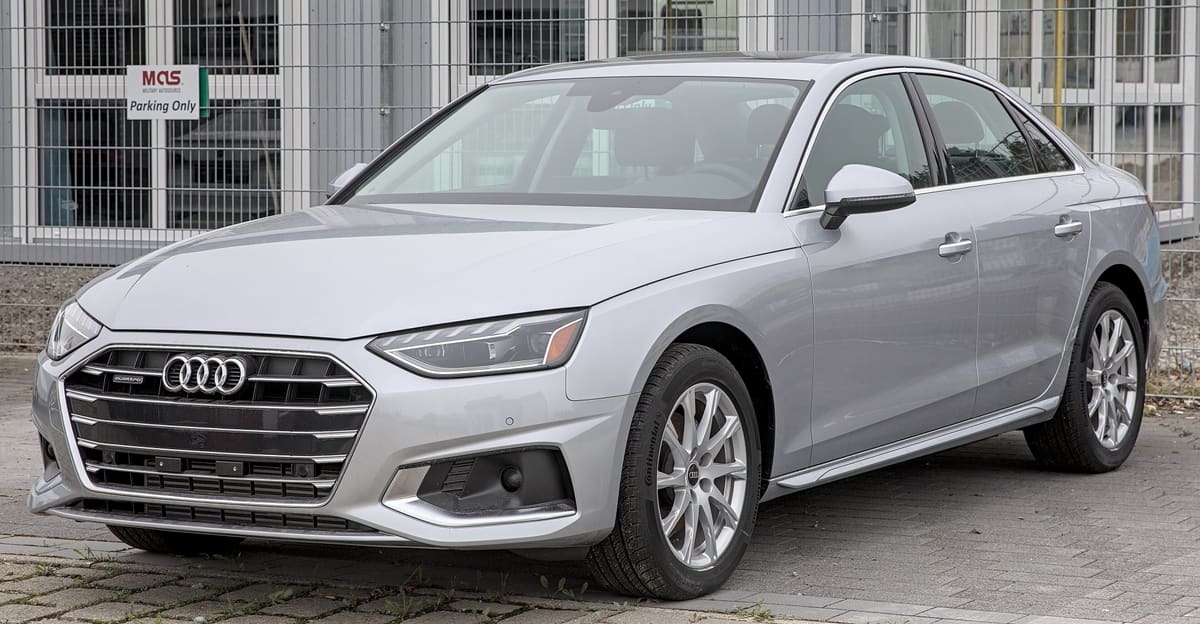
The Audi A4 is generally a well-engineered car but can develop common issues such as oil leaks, electrical gremlins, suspension wear, and timing chain tensioner faults. Many fixes require professional attention due to the complexity of components and diagnostic needs, though some maintenance tasks like replacing filters or brake pads can be done at home with basic tools and care.
Oil Leaks and Gasket Wear
Oil leaks are a frequent complaint with older Audi A4s, often manifesting as oil spots under the car or a burning smell. The most common cause is degraded valve cover gaskets or camshaft seals, which allow oil to seep onto hot engine parts.
Repairing this involves removing the valve cover, cleaning the mating surfaces, and fitting a new gasket. This job requires moderate mechanical skill and some special tools to access tight engine areas. While not impossible for a confident DIYer, it is generally recommended to have a garage carry out the repair to ensure proper sealing and avoid engine contamination.
In some cases, oil leaks can also stem from the oil pan gasket or turbocharger oil lines. These repairs are more involved and usually require lifting the car and dismantling parts of the engine bay, so professional attention is advised.
Electrical Issues and Sensor Faults
Owners may experience warning lights on the dashboard, intermittent electrical faults, or malfunctioning features such as central locking or electric windows. These symptoms often point to sensor failures, wiring corrosion, or faulty control modules.
Diagnosing electrical problems typically requires a diagnostic scanner to read fault codes and pinpoint the issue. Common culprits include mass airflow sensors, camshaft position sensors, or faulty wiring connectors, especially in older models exposed to moisture.
While replacing sensors can be a DIY job if you have the correct replacement parts and some technical knowledge, diagnosing complex electrical faults is best left to a garage with diagnostic equipment. Attempting repairs without proper diagnosis can lead to unnecessary part replacements and ongoing issues.
Suspension Wear and Noisy Steering
The Audi A4’s suspension components such as wishbones, anti-roll bar links, and bushings can wear out over time, causing clunks, rattles, or uneven tyre wear. Steering rack issues may also cause a knocking noise or vague steering feel.
Fixing suspension wear involves replacing worn bushes, ball joints, or drop links. This can be a DIY project for those with a garage and the right tools, including a spring compressor if dealing with coil springs. Wheel alignment should always be checked and adjusted after suspension work to ensure safe handling.
Steering rack faults usually require professional diagnosis and repair, as the rack is a complex and heavy component. Some issues may be resolved by replacing the power steering fluid or seals, but more serious wear demands garage intervention.
Timing Chain Tensioner and Engine Noise
A known issue on some Audi A4 engines is the timing chain tensioner wearing out, which can cause a rattling noise from the engine, especially on cold starts. If left unchecked, this can lead to timing chain slack and potential engine damage.
Repairing the timing chain tensioner involves removing engine covers and sometimes the camshaft assembly to access and replace the tensioner. This is a complex and time-consuming job that requires specialist knowledge and tools, so it is not suitable for DIY.
If you hear unusual engine noises or have a check engine light related to timing, it is important to have the car inspected promptly by a professional to avoid costly engine repairs.
Brake Wear and Maintenance
Brake pads and discs on the Audi A4 wear with use and produce squealing or reduced braking performance when due for replacement. Regular inspection and timely replacement are essential for safety.
Replacing brake pads is a straightforward DIY task for those with basic mechanical skills and a safe working environment. It involves removing the wheel, retracting the caliper pistons, swapping pads, and refitting components. Discs may also need replacing if worn or scored.
Brake fluid should be changed every couple of years to maintain braking efficiency and prevent corrosion in the system. This is best done by a garage as it requires bleeding the brakes to remove air from the system.
Cabin Air Filter and Interior Comfort
A less critical but common maintenance task is replacing the cabin air filter, which can become clogged and reduce airflow or cause unpleasant odours. This is a simple job that most owners can do themselves.
The cabin filter is usually located behind the glovebox or under the dashboard and can be replaced by unclipping the old filter and inserting a new one. Regular replacement improves air quality and HVAC system performance.
Keeping the interior electronics and controls clean and dry also helps prevent minor electrical faults and keeps the car comfortable to use.
Audi A4 recall record
33 recalls have been issued for the Audi A4, between 1997 and 2025.
Stop-drive TAKATA PSAN
R/2025/387Issued 8 August 2025
Urgent Safety Warning – Do Not Drive Your Vehicle Affected vehicles were originally allocated to or used for an extended period of time in a region with a climate zone considered to as HIGH RISK. Certain front airbags contain an ageing inflator propellant that may explode when deployed due to long-term exposure to heat and humidity. If the airbag inflator explodes metal fragments may be ejected causing life-threatening or fatal injuries to anyone in the vehicle.
Remedy:Affected airbags will be be replaced. You can contact Audi's dedicated Takata Stop Drive helpline at 0113 526 9646 (MONDAY to FRIDAY 9:00AM to 5:00PM.
Affects cars built Mar 2005 to Mar 2008
Replacing TAKATA driver airbag
R/2024/312Issued 13 August 2024
On imported Audi vehicles previously used in a warm climate zone and fitted with TAKATA driver airbag manufactured within a specific period it is possible that the gas generator housing may cause small metal parts to become dislodged from the housing and potentially injure the driver or a passenger.
Remedy:As a precautionary safety measure it is necessary to replace the gas generator in the airbag unit on the driver side of the vehicle.
Affects cars built Feb 2006 to Jan 2009
Replacing Takata passenger airbag
R/2024/158Issued 4 April 2024
On affected vehicles the passenger airbag may in extremely rare cases be overloaded and even burst when the passenger airbag is triggered. If this were to happen small metal parts could become dislodged from the housing and potentially cause life-threatening injury to a vehicle occupant.
Remedy:For safety reasons it is necessary to check the passenger airbag and if required to replace the airbag module.
Affects cars built Oct 2004 to Apr 2008
If a front airbag is deployed it is possible that the gas generator housing in which the propellant is generated may burst on vehicles manufactured within a limited period.
R/2023/053Issued 1 February 2023
If a front airbag is deployed it is possible that the gas generator housing in which the propellant is generated may burst on vehicles manufactured within a limited period.
Remedy:As a precautionary safety measure it is necessary to replace the airbag unit on the passenger side.
Affects cars built Jul 2006 to Aug 2006
29 older recalls not shown.
A recall applies to a build range, not to every car of this model. Check a registration to see whether one specific vehicle has an outstanding recall.
Audi A4 MOT record
From 241,912 recorded MOT tests, 22.7% failed.
| Registered | Tests | Failed | Median mileage |
|---|---|---|---|
| 2023 | 331 | 10.6% | 25,010 mi |
| 2022 | 6,575 | 10.5% | 29,162 mi |
| 2021 | 6,975 | 10.7% | 39,770 mi |
| 2020 | 8,322 | 10.9% | 45,443 mi |
| 2019 | 12,964 | 14.4% | 53,553 mi |
| 2018 | 13,398 | 18.2% | 62,132 mi |
| 2017 | 20,914 | 18.7% | 74,948 mi |
| 2016 | 21,572 | 18.7% | 85,997 mi |
Most common reasons for failure
- A suspension pin, bush or joint excessively worn33.3%
- Tyre tread depth not in accordance with the requirements29.2%
- A tyre seriously damaged14.2%
- A spring or spring component fractured or seriously weakened13.9%
- a brake lining or pad worn below 1.5mm9.4%
Figures cover every Audi A4 tested in the DVSA dataset, not this specific car. Check a registration for the actual history of one vehicle.
Frequently asked questions
What are common faults with the Audi A4?
Common faults include oil leaks, electrical issues, and suspension problems.
Can I fix these issues myself?
Many of these issues can be fixed DIY, but some require professional help.
Are there temporary fixes for these problems?
Some issues can be temporarily patched, but a proper repair is usually recommended.
Sources
- DVSA anonymised MOT tests and results (Open Government Licence v3.0)
- DVSA vehicle safety recalls (Open Government Licence v3.0)