Reliability
Audi A7 reliability: how dependable is it really?
What Audi A7 owners actually report, by year, plus what MOT data tells us about its reliability.
Updated 4th September 2026 DVSA data: Across 16,630 recorded MOT tests, 13.4% failed.
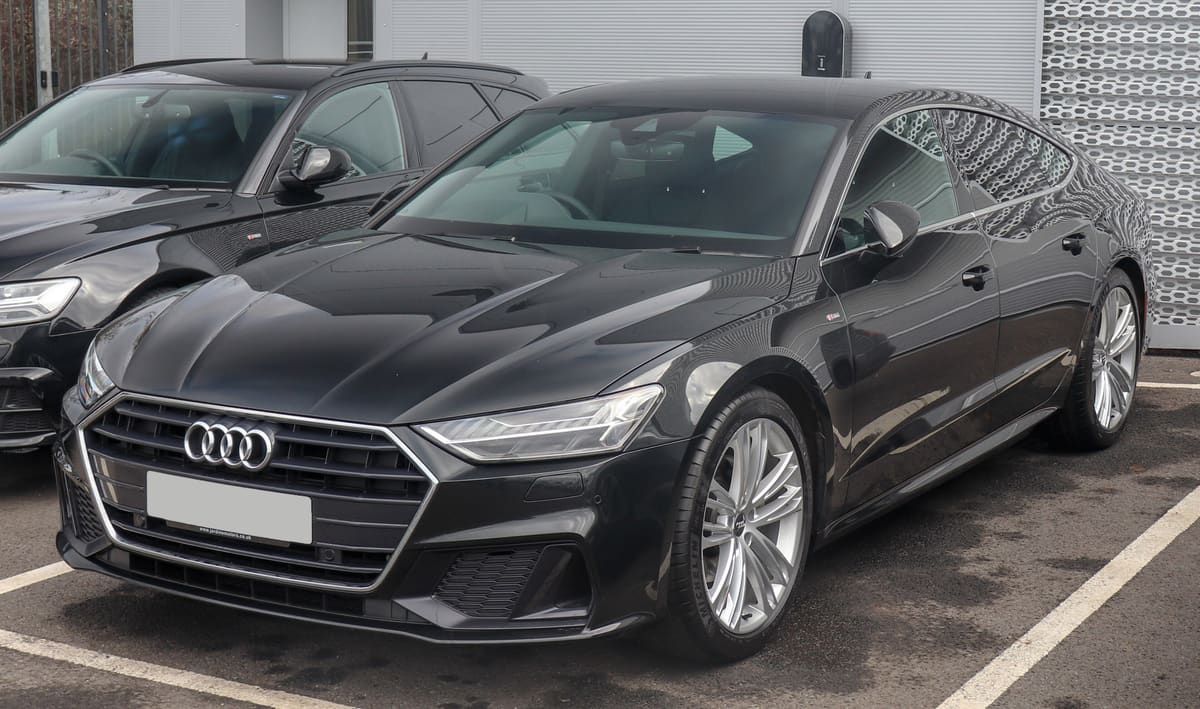
The Audi A7 is generally regarded as a reliable luxury vehicle, with its dependability improving over the years. While earlier models may have faced some common issues, recent iterations have shown significant advancements in quality and durability, making it a solid choice for buyers seeking a blend of performance and reliability.
Overview of Audi A7 Reliability
The Audi A7 has been on the market since 2010, and its reliability has been a topic of interest among potential buyers. Early models, particularly those produced between 2010 and 2014, had some reported issues, including electrical faults and engine problems. However, as the model evolved, Audi made significant improvements, leading to better reliability ratings in later years.
Owners of newer models often report fewer issues, with many praising the vehicle’s build quality and performance. This trend is supported by DVSA MOT data, which shows a positive trajectory in pass rates for later versions.
2010-2014: Early Models and Common Issues
The first generation of the Audi A7, produced from 2010 to 2014, was well-received for its design and performance. However, it was not without its flaws. Common issues reported during this period included problems with the electrical system, such as faulty sensors and infotainment glitches. Additionally, some owners experienced engine-related concerns, particularly with the 3.0-litre TDI variant.
Despite these issues, many owners found the A7 to be a comfortable and stylish vehicle. Regular maintenance and timely repairs helped mitigate some of the reliability concerns. Overall, while the early models had their share of problems, they still offered a premium driving experience that appealed to many buyers.
2015-2018: Improvements in Reliability
The second generation of the Audi A7, launched in 2015, marked a significant improvement in reliability. Audi addressed many of the issues found in earlier models, leading to a more dependable vehicle. The introduction of updated technology and engineering enhancements contributed to a decline in reported faults.
Owners of 2015-2018 models have noted fewer electrical issues and improved engine performance. The build quality of the interior and exterior also received praise, with many highlighting the luxurious feel of the cabin. The DVSA MOT data reflects this improvement, showing higher pass rates for these models compared to their predecessors.
2019-Present: The Latest Generation and Reliability Ratings
The latest generation of the Audi A7, introduced in 2019, continues the trend of enhanced reliability. With advanced technology and engineering, these models have shown remarkable durability. The introduction of hybrid variants has also expanded the A7’s appeal, attracting environmentally conscious buyers without compromising on performance.
Owners frequently report satisfaction with their vehicles, citing minimal issues and a strong performance record. The combination of luxury, technology, and reliability makes the latest A7 a compelling choice for buyers in the UK market.
Maintenance and Ownership Costs
While the Audi A7 is generally reliable, potential owners should consider maintenance and ownership costs. Regular servicing is essential to keep the vehicle in optimal condition, and genuine parts can be more expensive than those for non-premium brands. However, many owners find that the driving experience justifies the costs.
Warranty coverage for new models provides additional peace of mind, allowing owners to address any issues without incurring significant expenses. Additionally, the A7’s resale value tends to remain strong, making it a worthwhile investment for those looking for a luxury vehicle.
Owner Experiences and Feedback
Owner feedback plays a crucial role in assessing the reliability of the Audi A7. Many A7 owners express satisfaction with their vehicles, highlighting the combination of performance, comfort, and reliability. Common praises include the smooth ride quality, powerful engine options, and advanced technology features.
However, some owners of earlier models have reported frustrations with specific issues, such as electrical faults and the cost of repairs. Overall, the feedback from owners of newer models tends to be overwhelmingly positive, indicating that Audi’s efforts to improve reliability have been successful.
while the Audi A7 faced challenges in its early years, the improvements made in later models have established it as a reliable luxury vehicle. With ongoing advancements in technology and engineering, the A7 continues to be a strong contender in the premium car market.
Audi A7 recall record
14 recalls have been issued for the Audi A7, between 2014 and 2025.
Software update for battery control unit
R/2025/463Issued 24 October 2025
On affected vehicles there may be defective battery modules which may result in a fire hazard when charging the high-voltage battery.
Remedy:Update the software of the high-voltage battery to improve the self-diagnosis capabilities. Vehicle owners are advised to not charge the high-voltage battery using external charging sources and also not use the e-tron modes “Battery charge” and “Battery hold” until the update is applied.
Affects cars built Dec 2021 to Jun 2024
On certain vehicles an incorrect bracket for the side airbag was fitted in the left front seat.
R/2023/317Issued 27 October 2023
On certain vehicles an incorrect bracket for the side airbag was fitted in the left front seat.
Remedy:Replace the side airbag and bracket.
Affects cars built Jul 2023 to Jul 2023
The fuel gauge may not show the drop in fuel level correctly during vehicle operation
R/2023/027Issued 20 January 2023
The fuel gauge may not show the drop in fuel level correctly during vehicle operation.
Remedy:The tank level sender must be replaced on the affected vehicles.
Affects cars built Apr 2018 to Oct 2021
ENGINE CONTROL UNITS MIGHT BE FITTED WITH SEMICONDUCTOR COMPONENTS THAT DO NOT MEET SPECIFICATIONS
R/2022/169Issued 10 June 2022
On a small number of vehicles manufactured within a specific period it is possible that the engine control units were fitted with semiconductor components which do not meet the specifications.
Remedy:The engine control unit must be replaced on the affected vehicles.
Affects cars built Jan 2022 to Feb 2022
10 older recalls not shown.
A recall applies to a build range, not to every car of this model. Check a registration to see whether one specific vehicle has an outstanding recall.
Audi A7 MOT record
From 16,630 recorded MOT tests, 13.4% failed.
| Registered | Tests | Failed | Median mileage |
|---|---|---|---|
| 2022 | 429 | 9.1% | 29,440 mi |
| 2021 | 642 | 9.8% | 38,684 mi |
| 2020 | 618 | 9.1% | 43,280 mi |
| 2019 | 1,422 | 9.8% | 56,564 mi |
| 2018 | 1,368 | 10.5% | 63,004 mi |
| 2017 | 1,620 | 11.5% | 71,690 mi |
| 2016 | 2,307 | 14.0% | 79,955 mi |
| 2015 | 1,972 | 12.9% | 88,184 mi |
Most common reasons for failure
- Tyre tread depth not in accordance with the requirements38.0%
- A tyre seriously damaged23.3%
- A suspension pin, bush or joint excessively worn20.7%
- a brake lining or pad worn below 1.5mm9.6%
- A tyre cords visible or damaged8.3%
Figures cover every Audi A7 tested in the DVSA dataset, not this specific car. Check a registration for the actual history of one vehicle.
Audi A7 official figures
Median across 5 variants on sale, diesel electric, electricity / petrol, petrol electric.
- Combined economy
- 40.9 mpg
- WLTP median across variants
- CO2 emissions
- 169.5 g/km
- Sets the first-year tax rate
Official figures for new cars. Real economy varies with driving, load and conditions.
Frequently asked questions
How reliable is the Audi A7 compared to other luxury cars?
The Audi A7 generally has a good reputation for reliability among luxury vehicles. However, it is important to consider individual experiences and reviews, as reliability can vary by model year.
What common issues should I look out for with the Audi A7?
Common issues reported by Audi A7 owners include electrical problems and issues with the air suspension. Regular maintenance can help mitigate these concerns.
Is the Audi A7 expensive to maintain?
Maintenance costs for the Audi A7 can be higher than average due to its luxury status. It's advisable to budget for regular servicing and potential repairs.
What is the average lifespan of an Audi A7?
With proper care and maintenance, an Audi A7 can last well over 100,000 miles. Many owners report their vehicles performing reliably for many years.
Are there any recalls for the Audi A7?
Recalls are issued against individual vehicles rather than a model as a whole, so a model-level yes or no would be guesswork. Enter the registration on Honest Car Check and we check the DVSA record for that specific car. Where DVSA holds no status, confirm it with a franchised dealer using the VIN.
How does the Audi A7 perform in reliability ratings?
The Audi A7 typically scores well in reliability ratings from various automotive sources. However, it's wise to review specific ratings for the model year you are considering.
Should I consider an extended warranty for the Audi A7?
An extended warranty can provide peace of mind, especially for a luxury vehicle like the Audi A7. It may cover unexpected repairs and help manage maintenance costs.
Sources
- DVSA anonymised MOT tests and results (Open Government Licence v3.0)
- VCA new car fuel consumption and emissions data (Open Government Licence v3.0)
- DVSA vehicle safety recalls (Open Government Licence v3.0)