Buying guide
Buying a used Audi Q7: what to check before you pay
A complete used-buyer checklist for the Audi Q7. Engine, gearbox, electrics, paperwork.
Updated 23rd June 2026 DVSA data: Across 49,531 recorded MOT tests, 14.6% failed.
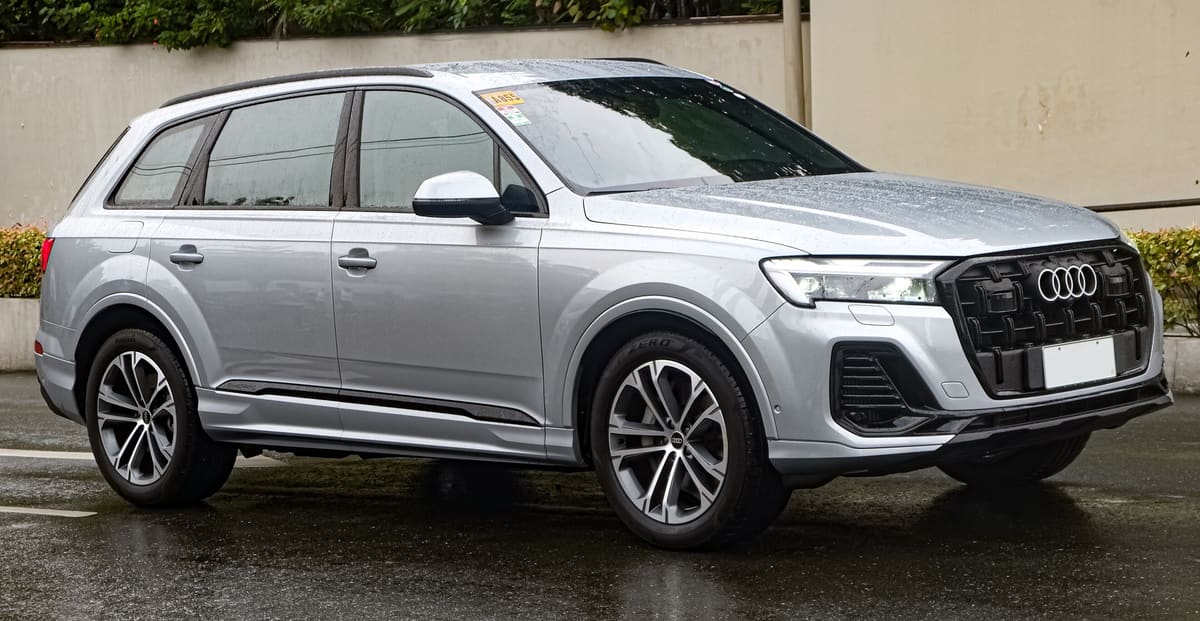
The Audi Q7 is a premium SUV known for its luxury, space, and performance. When considering a used model, it is essential to check for common issues, service history, and overall condition.
Understanding the Audi Q7 Model Range
The Audi Q7 has undergone several updates since its launch in 2005, with significant changes in 2015 and 2020. Familiarising yourself with the different model years and trims is crucial, as features and specifications can vary widely. The earlier models are often more affordable but may lack modern technology and safety features.
The 2015 facelift introduced updated engines, improved infotainment systems, and enhanced safety features. The 2020 model brought a more refined design and advanced driver assistance systems. Knowing these differences helps you choose a model that suits your needs and budget.
Checking the Service History
A comprehensive service history is vital when buying a used Audi Q7. Regular maintenance ensures the vehicle remains in good condition and can prevent costly repairs down the line. Look for a full-service history, ideally from an Audi dealership or a reputable garage.
Pay attention to the timing belt replacement, as failure to replace it at the recommended intervals can lead to severe engine damage. Additionally, check for any outstanding recalls or service campaigns that may not have been addressed. A well-documented service history can provide peace of mind regarding the vehicle’s reliability.
Inspecting the Vehicle’s Condition
Before finalising your purchase, conduct a thorough inspection of the Audi Q7. Look for signs of wear and tear, such as scratches, dents, or rust, particularly around the wheel arches and undercarriage. Check the condition of the tyres, ensuring they have sufficient tread depth and are evenly worn.
Inside the vehicle, examine the upholstery for any signs of damage or excessive wear. Test all electronic features, including the infotainment system, air conditioning, and seat adjustments. A complete inspection can reveal potential issues that may require attention or negotiation on price.
Test Driving the Audi Q7
A test drive is essential to assess the Audi Q7’s performance and comfort. Pay attention to how the vehicle handles, accelerates, and brakes. Listen for any unusual noises, such as rattles or clunks, which could indicate underlying problems.
During the drive, test various driving modes if available, as the Q7 often features different settings for comfort, sport, or off-road driving. Ensure that the vehicle feels stable and responsive, and check the steering for any signs of play or misalignment. A thorough test drive can help you determine if the car meets your expectations.
Evaluating Running Costs
Owning an Audi Q7 comes with certain running costs that should be considered before purchase. Fuel economy can vary significantly depending on the engine choice, with diesel models generally offering better mileage than petrol variants. However, diesel engines may face additional scrutiny due to environmental concerns.
Insurance costs can also be higher for luxury vehicles like the Q7, so it’s wise to obtain insurance quotes before committing. Additionally, consider the road tax and maintenance costs, as premium parts and servicing can add up. Understanding these expenses will help you budget more effectively.
Researching Common Issues
Like any vehicle, the Audi Q7 has its share of common issues that potential buyers should be aware of. Some owners have reported problems with the air suspension, particularly in older models, which can lead to costly repairs. Additionally, check for any electrical issues, as these can be more prevalent in vehicles with extensive technology.
The DVSA MOT data can also provide information on past failures, helping you identify any recurring issues. Being informed about these potential problems can guide your decision-making process.
Finalising the Purchase
Once you have completed your checklist, it is time to negotiate the purchase. Use any findings from your inspection and test drive to discuss the price with the seller. If you have identified any issues, consider whether they warrant a lower offer or if you need to factor in repair costs.
Before finalising the sale, ensure that all paperwork is in order, including the V5C registration document and service history. A vehicle history check can provide additional assurance that the car has not been stolen or written off. Taking these steps will help ensure a smooth transaction and a satisfactory ownership experience.
Audi Q7 recall record
16 recalls have been issued for the Audi Q7, between 2007 and 2025.
Software update for battery control unit
R/2025/441Issued 10 October 2025
On affected vehicles there may be defective battery modules which may result in a fire hazard when charging the high-voltage battery.
Remedy:Update the software of the high-voltage battery to improve the self-diagnosis capabilities. Vehicle owners are advised to not charge the high-voltage battery using external charging sources and also not use the e-tron modes “Battery charge” and “Battery hold” until the update is applied.
Affects cars built Nov 2020 to Oct 2023
The function of the side airbag may be restricted due to the airbag not being sufficiently secured to the front left seat frame.
R/2024/018Issued 15 January 2024
The function of the side airbag may be restricted due to the airbag not being sufficiently secured to the front left seat frame.
Remedy:Conduct a check of the airbag to ensure it is secured correctly; if necessary the side airbag is to be correctly hooked in position and resecured.
Affects cars built Aug 2023 to Oct 2023
A weld seam on the outer backrest frame of the front seats may not have been made correctly.
R/2023/331Issued 10 November 2023
A weld seam on the outer backrest frame of the front seats may not have been made correctly.�
Remedy:Check the front seats and if required to replace the affected backrest.
Affects cars built Jun 2023 to Jun 2023
FOLLOWING A PREVIOUS CAMPAIGN THE TOE AND/OR CAMBER VALUES ON THE REAR AXLE MAY IN CERTAIN CIRCUMSTANCES INCORRECTLY BE CHANGED WITHOUT THIS BEING NOTICED
R/2022/036Issued 14 February 2022
Following a previous campaign the toe and/or camber values on the rear axle may in certain circumstances incorrectly be changed without this being noticed.
Remedy:The wheel alignment must be checked and if necessary the suspension must be serviced on the affected vehicles.
Affects cars built Nov 2019 to Feb 2021
12 older recalls not shown.
A recall applies to a build range, not to every car of this model. Check a registration to see whether one specific vehicle has an outstanding recall.
Audi Q7 MOT record
From 49,531 recorded MOT tests, 14.6% failed.
| Registered | Tests | Failed | Median mileage |
|---|---|---|---|
| 2022 | 3,146 | 9.1% | 29,913 mi |
| 2021 | 3,055 | 9.4% | 39,428 mi |
| 2020 | 3,548 | 8.6% | 47,228 mi |
| 2019 | 4,382 | 12.4% | 56,288 mi |
| 2018 | 4,655 | 13.5% | 67,400 mi |
| 2017 | 5,156 | 15.3% | 76,599 mi |
| 2016 | 4,729 | 16.3% | 84,560 mi |
| 2015 | 3,139 | 14.2% | 92,239 mi |
Most common reasons for failure
- Tyre tread depth not in accordance with the requirements36.8%
- A suspension pin, bush or joint excessively worn21.6%
- A tyre seriously damaged19.6%
- a brake lining or pad worn below 1.5mm12.6%
- Brake disc or drum excessively weakened, insecure or fractured9.4%
Figures cover every Audi Q7 tested in the DVSA dataset, not this specific car. Check a registration for the actual history of one vehicle.
Audi Q7 official figures
Median across 8 variants on sale, diesel electric, electricity / petrol, petrol electric.
- Combined economy
- 31.2 mpg
- WLTP median across variants
- CO2 emissions
- 215.5 g/km
- Sets the first-year tax rate
Official figures for new cars. Real economy varies with driving, load and conditions.
Frequently asked questions
What should I look for when buying a used Audi Q7?
Check the service history to ensure regular maintenance has been carried out. Inspect for any signs of wear and tear, especially on the interior and exterior. It's also wise to verify the vehicle's mileage and check for any outstanding recalls.
What are the common issues with the Audi Q7?
Some common issues include air suspension problems, electrical faults, and oil leaks. It's important to have a thorough inspection done to identify any potential issues before purchasing.
How fuel-efficient is the Audi Q7?
The fuel efficiency of the Audi Q7 varies by engine type and driving conditions. Generally, diesel models offer better fuel economy compared to petrol versions, but it's best to check the specific model's figures.
Is the Audi Q7 a good family car?
Yes, the Audi Q7 is known for its spacious interior and comfortable seating for up to seven passengers. It also has a range of safety features, making it a suitable choice for families.
What are the running costs of owning an Audi Q7?
Running costs can include fuel, insurance, road tax, and maintenance. It's advisable to budget for these expenses, as they can be higher than average due to the vehicle's size and luxury status.
How does the Audi Q7 compare to other SUVs?
The Audi Q7 stands out for its premium interior quality, advanced technology, and smooth driving experience. However, it may be pricier than some competitors, so consider your budget and requirements.
What is the warranty coverage for a used Audi Q7?
Warranty coverage can vary depending on the age and mileage of the vehicle. It's important to check if any manufacturer warranty is still valid or if the dealer offers an extended warranty.
Sources
- DVSA anonymised MOT tests and results (Open Government Licence v3.0)
- VCA new car fuel consumption and emissions data (Open Government Licence v3.0)
- DVSA vehicle safety recalls (Open Government Licence v3.0)