Recall history
Audi Q8 recall history: what has been recalled and why
Audi Q8 recall history: which model years were affected, what was fixed, and how to check your own car.
Updated 4th September 2026 DVSA data: Across 5,104 recorded MOT tests, 8.6% failed.
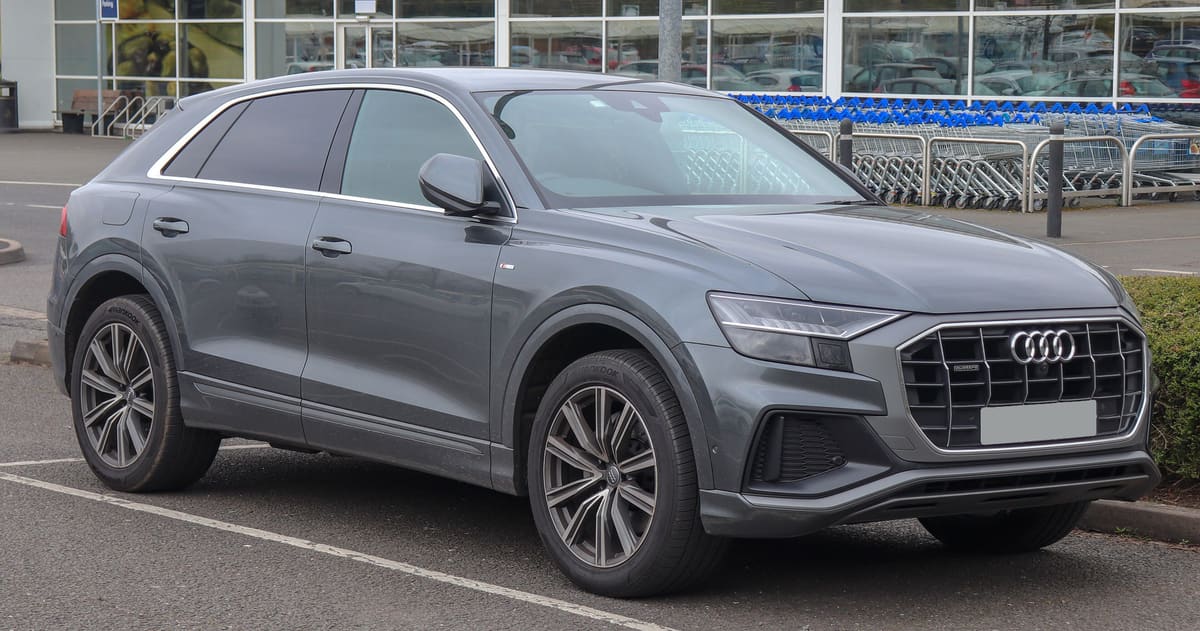
The Audi Q8 has experienced several recalls since its launch, primarily due to safety and performance concerns. Key issues have included potential fuel leaks, electrical system faults, and problems with the braking system. Affected build years range from 2018 to 2022, with most recalls resolved through dealer repairs.
Overview of Audi Q8 Recalls
The Audi Q8, introduced in 2018, has been subject to multiple recalls that address various safety and operational issues. These recalls are critical for maintaining the vehicle’s reliability and ensuring the safety of its occupants. Audi has taken proactive steps to rectify these concerns, demonstrating a commitment to customer safety and satisfaction.
The recalls primarily involve models manufactured between 2018 and 2022. Owners of these vehicles should be aware of the specific issues that have led to recalls and ensure that any necessary repairs are completed promptly. Audi has worked closely with the DVSA to manage these recalls effectively.
Fuel Leak Concerns
One of the significant recalls for the Audi Q8 involved a potential fuel leak. This issue arose from a fault in the fuel delivery system, which could lead to fuel leaking into the engine compartment. Such a leak poses a fire hazard, making it a critical safety concern.
The affected models were primarily from the 2019 production year. Owners were notified to bring their vehicles to authorised dealers for inspection and repairs. The DVSA MOT data indicates that this recall was handled efficiently, with a high percentage of affected vehicles being repaired promptly.
Electrical System Faults
Another notable recall involved electrical system faults that could affect the operation of various vehicle functions. This issue was linked to the vehicle’s software, which could lead to malfunctions in the infotainment system and other electronic features. Such faults can cause inconvenience and may distract drivers, potentially leading to safety risks.
The recalls related to this issue primarily affected Q8 models produced between 2018 and 2020. Audi’s response included updating the software to rectify the faults. Owners were encouraged to visit their local dealerships for the necessary updates, ensuring that their vehicles operated as intended.
Braking System Issues
The braking system is a critical component of any vehicle, and the Audi Q8 has faced recalls concerning its braking performance. Some models were found to have a problem with the brake booster, which could lead to reduced braking efficiency. This issue raised concerns about the vehicle’s overall safety in emergency situations.
The affected vehicles were mainly from the 2020 model year. Audi initiated a recall to inspect and replace the brake booster if necessary. Owners were notified via mail and urged to schedule an appointment with their local Audi service centre. The prompt action taken by Audi helped to mitigate potential risks associated with this issue.
Airbag Deployment Problems
Airbag deployment issues have also been a concern for certain Audi Q8 models. Some vehicles were found to have a fault in the airbag control unit, which could prevent airbags from deploying correctly in the event of a collision. This defect posed a significant safety risk to occupants.
The recall affected Q8 models manufactured between 2018 and 2021. Audi’s response involved inspecting the airbag control unit and replacing it if necessary. Owners were informed of the recall and advised to take their vehicles to authorised dealers for inspection and repairs. The swift action taken by Audi helped ensure that safety standards were upheld.
Current Status of Recalls
As of now, the majority of recalls affecting the Audi Q8 have been resolved. Audi has worked diligently to address the issues and ensure that affected vehicles are repaired. The company has maintained open communication with owners, providing updates and guidance on necessary actions.
Owners of the Audi Q8 are encouraged to check for any outstanding recalls by contacting their local Audi dealer or visiting the official Audi website. The DVSA MOT data indicates that most recalls have been completed, with a significant number of vehicles returning to the road in a safe and reliable condition.
Importance of Staying Informed
For Audi Q8 owners, staying informed about recalls is crucial for ensuring the safety and reliability of their vehicles. Regularly checking for updates and being proactive about repairs can help prevent potential issues from escalating. Audi’s commitment to customer safety is evident in its handling of recalls, and owners should take advantage of the resources available to them.
In addition to monitoring recalls, owners should also keep up with regular maintenance and servicing. This practice not only enhances the longevity of the vehicle but also ensures that any potential issues are identified and addressed early.
By staying informed and proactive, Audi Q8 owners can enjoy their vehicles with confidence, knowing that they are taking the necessary steps to maintain safety and performance.
Audi Q8 recall record
11 recalls have been issued for the Audi Q8, between 2019 and 2026.
Checking brake servo
R/2026/168Issued 17 April 2026
On affected vehicles the bolted connection for the push rod between the brake pedal and brake servo may come loose with the risk that it will no longer be possible to stop by using the brake pedal.
Remedy:Check the bolted connection for the push rod between the brake pedal and brake servo and tighten if necessary.
Affects cars built May 2019 to May 2024
Belt buckle rivet missing
R/2025/508Issued 14 November 2025
On affected vehicles an important connection in the seat belt buckle may not have been produced correctly during the assembly process.
Remedy:The belt buckles on both front seats (left and right) must be replaced.
Affects cars built Mar 2025 to Mar 2025
Software update for battery control unit
R/2025/441Issued 10 October 2025
On affected vehicles there may be defective battery modules which may result in a fire hazard when charging the high-voltage battery.
Remedy:Update the software of the high-voltage battery to improve the self-diagnosis capabilities. Vehicle owners are advised to not charge the high-voltage battery using external charging sources and also not use the e-tron modes “Battery charge” and “Battery hold” until the update is applied.
Affects cars built Jan 2021 to Dec 2023
Checking brake lines
R/2024/259Issued 18 June 2024
On affected vehicles the bolts for the brake pressure lines may have been tightened too far. In such cases the bolted connection may fail resulting in brake fluid escaping.
Remedy:Check the bolted connection and replace the brake pressure lines if required.
Affects cars built May 2023 to Mar 2024
The function of the side airbag may be restricted due to the airbag not being sufficiently secured to the front left seat frame.
R/2024/018Issued 15 January 2024
The function of the side airbag may be restricted due to the airbag not being sufficiently secured to the front left seat frame.
Remedy:Conduct a check of the airbag to ensure it is secured correctly; if necessary the side airbag is to be correctly hooked in position and resecured.
Affects cars built Aug 2023 to Oct 2023
A weld seam on the outer backrest frame of the front seats may not have been made correctly.
R/2023/331Issued 10 November 2023
A weld seam on the outer backrest frame of the front seats may not have been made correctly.�
Remedy:Check the front seats and if required to replace the affected backrest.
Affects cars built Jun 2023 to Jun 2023
FOLLOWING A PREVIOUS CAMPAIGN THE TOE AND/OR CAMBER VALUES ON THE REAR AXLE MAY IN CERTAIN CIRCUMSTANCES INCORRECTLY BE CHANGED WITHOUT THIS BEING NOTICED
R/2022/036Issued 14 February 2022
Following a previous campaign the toe and/or camber values on the rear axle may in certain circumstances incorrectly be changed without this being noticed.
Remedy:The wheel alignment must be checked and if necessary the suspension must be serviced on the affected vehicles.
Affects cars built Nov 2019 to Feb 2021
REAR AXLE SUSPENSION LINKS NUTS DO NOT MEET SPECIFICATIONS
R/2021/236Issued 25 June 2021
One or more nuts which do not meet the specifications may have been fitted on the rear axle suspension links.
Remedy:The affected nuts on the rear axle will be replaced on affected vehicles.
Affects cars built Nov 2019 to Feb 2021
GEAR OIL MAY ESCAPE DUE TO A FAULTY WELDED JOINT ON THE GEARBOX OIL LINE
R/2020/135Issued 19 May 2020
It is possible that gear oil may escape due to a faulty welded joint on the gearbox oil line.
Remedy:The production date of the gear oil line must be checked first on the vehicles affected and the gear oil line must be replaced if necessary.
Affects cars built Sept 2019 to Dec 2019
BOLTED CONNECTION BETWEEN STEERING SHAFT AND STEERING RACK MAY COME LOOSE
R/2020/075Issued 18 March 2020
The bolted connection between the steering shaft and the steering rack may not have been tightened to the required torque
Remedy:The bolted connection between the steering shaft and the steering rack will be checked and if necessary replaced.
Affects cars built Jun 2015 to Feb 2019
AN ERROR IN THE CASTING PROCESS MAY AFFECT THE RIGIDITY OF THE SHOCK ABSORBER FORK
R/2019/065Issued 27 February 2019
A casting process error may affect the rigidity of the front shock absorber fork.
Remedy:Replace the affected shock absorber forks.
Affects cars built Nov 2018 to Dec 2018
A recall applies to a build range, not to every car of this model. Check a registration to see whether one specific vehicle has an outstanding recall.
Audi Q8 MOT record
From 5,104 recorded MOT tests, 8.6% failed.
| Registered | Tests | Failed | Median mileage |
|---|---|---|---|
| 2022 | 1,042 | 8.5% | 28,881 mi |
| 2021 | 969 | 7.5% | 39,754 mi |
| 2020 | 830 | 9.3% | 44,064 mi |
| 2019 | 1,663 | 9.2% | 55,641 mi |
| 2018 | 600 | 8.3% | 60,174 mi |
Most common reasons for failure
- Tyre tread depth not in accordance with the requirements42.0%
- A tyre seriously damaged24.5%
- a brake lining or pad worn below 1.5mm16.0%
- Brake disc or drum excessively weakened, insecure or fractured9.5%
- A suspension pin, bush or joint excessively worn8.1%
Figures cover every Audi Q8 tested in the DVSA dataset, not this specific car. Check a registration for the actual history of one vehicle.
Audi Q8 official figures
Median across 13 variants on sale, diesel electric, electricity, electricity / petrol, petrol electric.
- Combined economy
- 27.4 mpg
- WLTP median across variants
- CO2 emissions
- 230 g/km
- Sets the first-year tax rate
- Electric range
- 302 miles
- Manufacturer WLTP figure
Official figures for new cars. Real economy varies with driving, load and conditions.
Frequently asked questions
What recalls have been issued for the Audi Q8?
Recalls are issued against individual vehicles rather than a model as a whole, so a model-level yes or no would be guesswork. Enter the registration on Honest Car Check and we check the DVSA record for that specific car. Where DVSA holds no status, confirm it with a franchised dealer using the VIN.
How can I find out if my Audi Q8 is affected by a recall?
Recalls are issued against individual vehicles rather than a model as a whole, so a model-level yes or no would be guesswork. Enter the registration on Honest Car Check and we check the DVSA record for that specific car. Where DVSA holds no status, confirm it with a franchised dealer using the VIN.
What should I do if my Audi Q8 is recalled?
Recalls are issued against individual vehicles rather than a model as a whole, so a model-level yes or no would be guesswork. Enter the registration on Honest Car Check and we check the DVSA record for that specific car. Where DVSA holds no status, confirm it with a franchised dealer using the VIN.
Are recalls for the Audi Q8 common?
Recalls are issued against individual vehicles rather than a model as a whole, so a model-level yes or no would be guesswork. Enter the registration on Honest Car Check and we check the DVSA record for that specific car. Where DVSA holds no status, confirm it with a franchised dealer using the VIN.
Will a recall affect the resale value of my Audi Q8?
Recalls are issued against individual vehicles rather than a model as a whole, so a model-level yes or no would be guesswork. Enter the registration on Honest Car Check and we check the DVSA record for that specific car. Where DVSA holds no status, confirm it with a franchised dealer using the VIN.
How are Audi Q8 recalls communicated to owners?
Recalls are issued against individual vehicles rather than a model as a whole, so a model-level yes or no would be guesswork. Enter the registration on Honest Car Check and we check the DVSA record for that specific car. Where DVSA holds no status, confirm it with a franchised dealer using the VIN.
Is there a cost associated with getting my Audi Q8 repaired after a recall?
Recalls are issued against individual vehicles rather than a model as a whole, so a model-level yes or no would be guesswork. Enter the registration on Honest Car Check and we check the DVSA record for that specific car. Where DVSA holds no status, confirm it with a franchised dealer using the VIN.
Can I still drive my Audi Q8 if it has an outstanding recall?
Recalls are issued against individual vehicles rather than a model as a whole, so a model-level yes or no would be guesswork. Enter the registration on Honest Car Check and we check the DVSA record for that specific car. Where DVSA holds no status, confirm it with a franchised dealer using the VIN.
Sources
- DVSA anonymised MOT tests and results (Open Government Licence v3.0)
- VCA new car fuel consumption and emissions data (Open Government Licence v3.0)
- DVSA vehicle safety recalls (Open Government Licence v3.0)