Buying guide
Buying a used BMW 2 Series: what to check before you pay
A complete used-buyer checklist for the BMW 2 Series. Engine, gearbox, electrics, paperwork.
Updated 23rd June 2026 DVSA data: Across 89,118 recorded MOT tests, 14.8% failed.
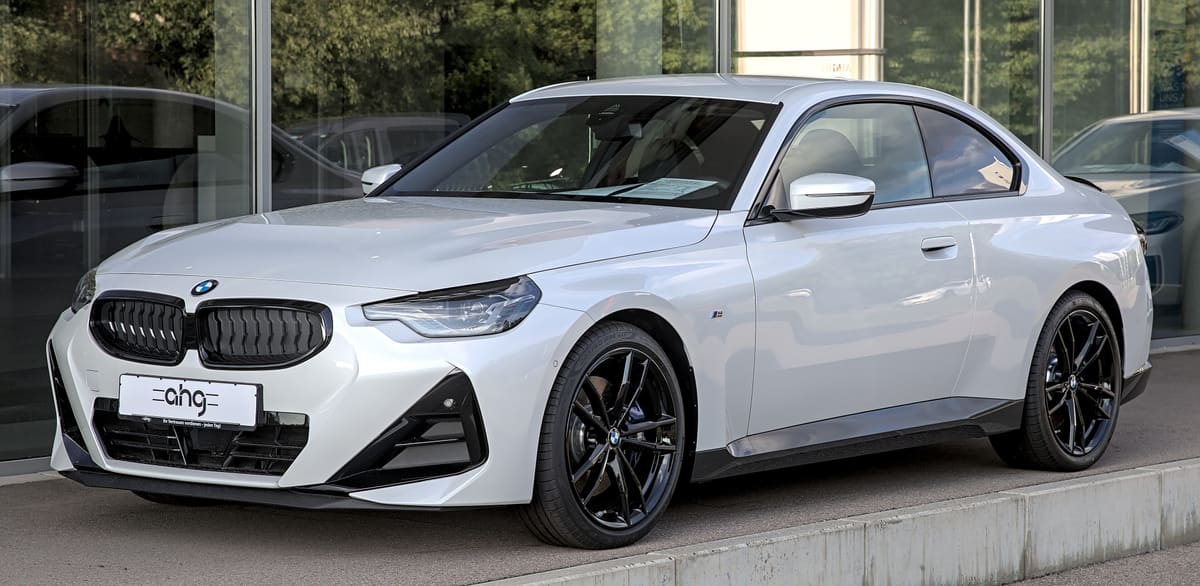
If you are considering purchasing a used BMW 2 Series, it is essential to conduct thorough research to ensure you decide with confidence.
Understanding the BMW 2 Series Range
The BMW 2 Series comes in various models, including the coupe, convertible, and active tourer. Each variant offers different features and driving experiences. The coupe is known for its sporty handling and stylish design, while the convertible provides an open-top driving experience. The active tourer focuses on practicality and space, making it ideal for families.
When selecting a model, consider your lifestyle and preferences. For instance, if you value performance and aesthetics, the coupe may be the best fit. If you need more space for passengers or luggage, the active tourer is more suitable. Researching the specific features of each model will help you make a more informed choice.
Checking the Vehicle History
Before purchasing a used BMW 2 Series, it’s crucial to check its vehicle history. This includes verifying the registration details, previous owners, and any outstanding finance. A comprehensive history check can reveal if the car has been in any accidents or has undergone significant repairs.
You can obtain a vehicle history report through various services. Look for any signs of a ‘write-off’ status or if the car has been recorded as stolen. Additionally, ensure that the mileage is consistent with the service history. A well-documented history can provide peace of mind and indicate how well the car has been maintained.
Inspecting the Exterior and Interior Condition
A thorough inspection of both the exterior and interior of the BMW 2 Series is essential. Look for signs of rust, dents, or paint inconsistencies on the bodywork, as these may indicate previous accidents or poor maintenance. Pay attention to the condition of the alloy wheels and tyres, ensuring they are not excessively worn or damaged.
Inside the vehicle, check the upholstery for any signs of wear or damage. Ensure that all electronic features, such as the infotainment system and climate control, are functioning correctly. A well-maintained interior reflects the overall care given to the vehicle. If you notice any issues, consider how they may affect your budget for repairs or replacements.
Assessing Mechanical Condition
The mechanical condition of a used BMW 2 Series is paramount to its longevity and performance. Before purchasing, arrange for a qualified mechanic to conduct a thorough inspection. They can check the engine, transmission, brakes, and suspension for any signs of wear or potential issues.
Pay particular attention to the engine oil level and quality, as well as the coolant levels. A well-maintained engine should not show signs of leaks or excessive wear. Additionally, check the service history for regular maintenance records, including oil changes and brake replacements. Regular servicing is a good indicator of how well the previous owner cared for the vehicle.
Reviewing the MOT History
The MOT history of a BMW 2 Series can provide valuable insights into its condition and reliability. You can access this information through the DVSA MOT data, which outlines past MOT tests, advisories, and any failures. Look for patterns in the advisories, as recurring issues may indicate underlying problems.
Ensure that the car has a valid MOT certificate and that it has passed recent tests without major issues. A clean MOT history with minimal advisories suggests that the vehicle has been well maintained. If the car has a history of failing MOTs, it may be worth investigating the reasons behind these failures before proceeding with the purchase.
Considering Running Costs and Insurance
When buying a used BMW 2 Series, it’s essential to consider the running costs associated with the vehicle. Factors such as fuel efficiency, insurance premiums, and maintenance costs can significantly impact your budget. The BMW 2 Series generally offers a range of engines with varying fuel efficiencies, so choose one that aligns with your driving habits.
Insurance costs can vary based on the model and your personal circumstances. Obtain quotes from multiple insurers to find the best deal. Additionally, factor in the cost of routine maintenance and repairs.
Test Driving the Vehicle
Finally, always arrange a test drive before finalising your purchase. A test drive allows you to assess the vehicle’s performance, comfort, and handling. Pay attention to how the car responds to acceleration, braking, and cornering. Listen for any unusual noises that may indicate mechanical issues.
During the test drive, evaluate the comfort of the seats and the functionality of the controls. Ensure that the driving position suits you and that visibility is adequate. A thorough test drive can help you determine if the BMW 2 Series meets your expectations and is the right choice for you.
By following this full checklist, you can decide with confidence when purchasing a used BMW 2 Series. Taking the time to research and inspect the vehicle will help ensure that you choose a reliable car that meets your needs and provides an enjoyable driving experience.
BMW 2 Series recall record
39 recalls have been issued for the BMW 2 Series, between 2015 and 2026.
Reworking the PVC Seam in the Rear Light Housing
R/2026/262Issued 1 July 2026
The safety recall relates to a PVC seam seal defect which may have occurred in the body area of the right real light housing. It is possible that seam sealant was not applied to a panel overlap area this may result in water ingress into the vehicle in the area of the right rear light. If water does enter the trunk in the area of the right rear light it may result in water ingress onto the exposed power distribution box as well as adjacent wiring harnesses and electrical components. It cannot be reliably excluded that electrical contacts may be affected particularly due to capillary effects. In this case moisture ingress and the resulting long-term corrosion may lead to increased contact resistance as well as functional degradation or failure of individual electrical components. Over the service life a thermal event cannot be completely ruled out.
Remedy:On the affected vehicles the PVC seam will be checked and if necessary reworked.
Affects cars built May 2026 to May 2026
Replace the Engine Starter Motor
R/2026/054Issued 2 March 2026
The Safety Recall relates to the engine starter motor. The fault relates to the RSW22 starter RWT (reinforced water tightness). It was found that with RWT starters an increased abrasion of the magnetic contact can cause the growth of deposits at the lowest point of the relay interior. This in turn may increase the relay contact resistance resulting in false starts or even causing short circuits and possibly a thermal reaction. In case of a short circuit the possibility of a thermal event cannot be excluded. This may happen while attempting to start the vehicle or while driving due to vibrations causing a short circuit due to moving deposits.
Remedy:On the affected vehicles the starter motor will be replaced with a variant by another supplier with a different design. Until the repair has been completed it is recommended to not leave the vehicle running unattended after starting the engine.
Affects cars built Dec 2020 to May 2024
Takata Driver and/or Passenger Airbag Recall (Global VINs)
R/2025/349Issued 18 December 2025
Affected vehicles are already included in Safety Recalls within the markets they have previously resided in. The vehicles may be fitted with a driver and/or passenger airbag/s which if deployed may do so with excessive force causing sharp metal fragments to be released this may cause serious injury which could prove fatal to people in the vicinity.
Remedy:Vehicles will have the affected airbags checked and if necessary replaced.
Affects cars built Nov 2013 to Oct 2017
Seat Belt Rear Outer Seats
R/2025/443Issued 23 October 2025
On affected vehicles either one or both of the outer most rear seats may not have been manufactured correctly and the sensitivity sensor may be deformed. If the sensor is not functioning correctly there is a risk the seat belt may not operate as intended.
Remedy:On affected vehicles the affected seatbelts will be checked and replaced.
Affects cars built Aug 2025 to Sept 2025
35 older recalls not shown.
A recall applies to a build range, not to every car of this model. Check a registration to see whether one specific vehicle has an outstanding recall.
BMW 2 Series MOT record
From 89,118 recorded MOT tests, 14.8% failed.
| Registered | Tests | Failed | Median mileage |
|---|---|---|---|
| 2021 | 369 | 11.4% | 24,178 mi |
| 2020 | 4,136 | 9.1% | 30,546 mi |
| 2019 | 7,449 | 10.7% | 37,638 mi |
| 2018 | 16,565 | 12.8% | 49,762 mi |
| 2017 | 17,900 | 14.0% | 58,631 mi |
| 2016 | 21,074 | 16.2% | 66,466 mi |
| 2015 | 16,446 | 17.2% | 72,192 mi |
| 2014 | 5,179 | 21.1% | 81,585 mi |
Most common reasons for failure
- Tyre tread depth not in accordance with the requirements34.3%
- A tyre seriously damaged24.9%
- a brake lining or pad worn below 1.5mm16.0%
- A suspension pin, bush or joint excessively worn15.5%
- Brake disc or drum excessively weakened, insecure or fractured9.3%
Figures cover every BMW 2 Series tested in the DVSA dataset, not this specific car. Check a registration for the actual history of one vehicle.
BMW 2 Series official figures
Median across 54 variants on sale, electricity / petrol, petrol, petrol electric.
- Combined economy
- 46.3 mpg
- WLTP median across variants
- CO2 emissions
- 135 g/km
- Sets the first-year tax rate
Official figures for new cars. Real economy varies with driving, load and conditions.
Frequently asked questions
What should I look for when buying a used BMW 2 Series?
Check the service history to ensure regular maintenance has been carried out. Look for signs of wear and tear, especially on the interior and exterior, and consider having a vehicle inspection done.
What are the common issues with the BMW 2 Series?
Some owners have reported issues with the electrical system and infotainment features. It's also wise to check for any recalls that may affect the model you are considering.
How fuel-efficient is the BMW 2 Series?
Fuel efficiency varies by engine type, but generally, the BMW 2 Series offers competitive mileage for its class. Check the specific model's official figures for more accurate information.
Is the BMW 2 Series a good choice for families?
While the BMW 2 Series is more compact, it can still accommodate small families comfortably. However, if you need more space, consider larger models in the BMW range.
What are the different trims available for the BMW 2 Series?
The BMW 2 Series typically comes in several trims, including Sport, M Sport, and Luxury. Each trim offers different features and styling options to suit various preferences.
How does the BMW 2 Series compare to its competitors?
The BMW 2 Series is known for its sporty handling and premium interior. It competes well with models like the Audi A3 and Mercedes-Benz A-Class, offering a unique driving experience.
What financing options are available for buying a BMW 2 Series?
You can consider various financing options such as personal loans, hire purchase, or leasing. It's advisable to compare offers from different lenders to find the best deal.
What should I know about insurance costs for the BMW 2 Series?
Insurance costs can vary based on the model and your driving history. It's best to get quotes from multiple insurers to find the most affordable coverage for your needs.
Sources
- DVSA anonymised MOT tests and results (Open Government Licence v3.0)
- VCA new car fuel consumption and emissions data (Open Government Licence v3.0)
- DVSA vehicle safety recalls (Open Government Licence v3.0)