Top fixes
BMW 2 Series top fixes: how owners handle the common issues
Practical fixes for the common BMW 2 Series faults owners run into.
Updated 23rd June 2026 DVSA data: Across 89,118 recorded MOT tests, 14.8% failed.
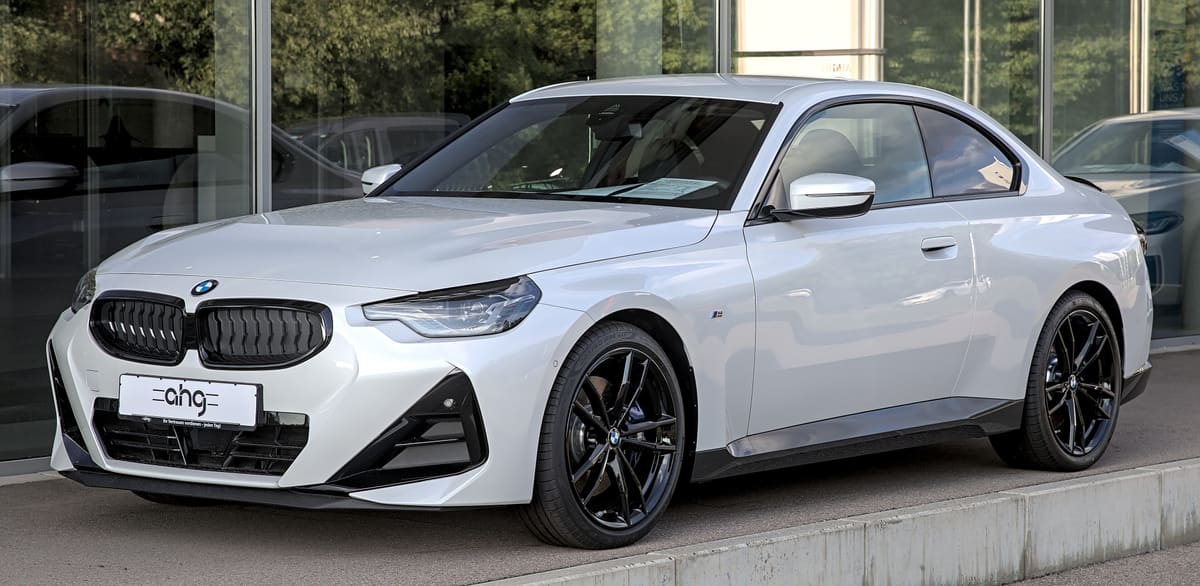
The BMW 2 Series, while a popular choice for its sporty design and performance, is not without its issues. Common problems reported by owners include electrical faults, suspension wear, and engine performance concerns. This article outlines practical fixes for these issues to help you maintain your vehicle’s reliability and performance.
Electrical Issues
Electrical problems are among the most frequently reported issues in the BMW 2 Series. Owners often experience issues with the infotainment system, dashboard warning lights, and battery drain.
To address these problems, start by checking the battery and its connections. A weak battery can lead to various electrical gremlins. If the infotainment system is malfunctioning, consider performing a software update, as many issues stem from outdated firmware. For persistent dashboard warning lights, a diagnostic scan can pinpoint the issue, allowing for targeted repairs.
Suspension Wear
Suspension wear is another common complaint, particularly in models with higher mileage. Symptoms include a bumpy ride, unusual noises over bumps, and uneven tyre wear.
Inspect the suspension components, including shock absorbers and bushings, for signs of wear. If you notice leaks or excessive play in the components, replacement may be necessary. Regularly checking tyre pressure and alignment can also help prolong the life of your suspension system, ensuring a smoother ride and better handling.
Engine Performance Concerns
Some BMW 2 Series owners report issues with engine performance, such as rough idling, decreased power, and increased fuel consumption. These problems can often be traced back to issues with the fuel system or air intake.
Start by checking the air filter; a clogged filter can restrict airflow, leading to poor performance. Additionally, inspect the fuel injectors for blockages. Cleaning or replacing them can restore engine efficiency. Regular servicing, including oil changes and spark plug replacements, can also help maintain optimal engine performance.
Cooling System Problems
The cooling system is crucial for preventing engine overheating, but it can develop issues over time. Common problems include coolant leaks, a malfunctioning thermostat, and a failing water pump.
To fix coolant leaks, inspect hoses and connections for signs of wear or damage. If the thermostat is stuck closed, it will need replacement to ensure proper engine temperature regulation. A failing water pump can lead to overheating, so listen for unusual noises and check for leaks around the pump area. Regular coolant checks and flushes can help prevent these issues from escalating.
Transmission Issues
Some owners have reported problems with the transmission, including rough shifting and slipping. These issues can often be attributed to low transmission fluid levels or worn components.
Start by checking the transmission fluid level and condition. If the fluid is low, top it up with the recommended type. If the fluid appears dark or has a burnt smell, a transmission fluid change may be necessary. For persistent issues, a professional inspection may be required to assess the condition of the transmission and identify any worn parts that need replacement.
Brake System Concerns
Brake issues can significantly affect safety and performance. Common problems include squeaking brakes, reduced braking power, and warning lights on the dashboard.
Inspect the brake pads and discs for wear; replacing worn pads can restore braking performance. If you notice a spongy brake pedal, it may indicate air in the brake lines, which can be resolved by bleeding the brakes. Regularly checking brake fluid levels and replacing it as needed can also help maintain an effective braking system.
By addressing these common issues with practical fixes, BMW 2 Series owners can enhance the longevity and reliability of their vehicles. Regular maintenance and timely repairs are key to enjoying the driving experience that this model offers.
BMW 2 Series recall record
39 recalls have been issued for the BMW 2 Series, between 2015 and 2026.
Reworking the PVC Seam in the Rear Light Housing
R/2026/262Issued 1 July 2026
The safety recall relates to a PVC seam seal defect which may have occurred in the body area of the right real light housing. It is possible that seam sealant was not applied to a panel overlap area this may result in water ingress into the vehicle in the area of the right rear light. If water does enter the trunk in the area of the right rear light it may result in water ingress onto the exposed power distribution box as well as adjacent wiring harnesses and electrical components. It cannot be reliably excluded that electrical contacts may be affected particularly due to capillary effects. In this case moisture ingress and the resulting long-term corrosion may lead to increased contact resistance as well as functional degradation or failure of individual electrical components. Over the service life a thermal event cannot be completely ruled out.
Remedy:On the affected vehicles the PVC seam will be checked and if necessary reworked.
Affects cars built May 2026 to May 2026
Replace the Engine Starter Motor
R/2026/054Issued 2 March 2026
The Safety Recall relates to the engine starter motor. The fault relates to the RSW22 starter RWT (reinforced water tightness). It was found that with RWT starters an increased abrasion of the magnetic contact can cause the growth of deposits at the lowest point of the relay interior. This in turn may increase the relay contact resistance resulting in false starts or even causing short circuits and possibly a thermal reaction. In case of a short circuit the possibility of a thermal event cannot be excluded. This may happen while attempting to start the vehicle or while driving due to vibrations causing a short circuit due to moving deposits.
Remedy:On the affected vehicles the starter motor will be replaced with a variant by another supplier with a different design. Until the repair has been completed it is recommended to not leave the vehicle running unattended after starting the engine.
Affects cars built Dec 2020 to May 2024
Takata Driver and/or Passenger Airbag Recall (Global VINs)
R/2025/349Issued 18 December 2025
Affected vehicles are already included in Safety Recalls within the markets they have previously resided in. The vehicles may be fitted with a driver and/or passenger airbag/s which if deployed may do so with excessive force causing sharp metal fragments to be released this may cause serious injury which could prove fatal to people in the vicinity.
Remedy:Vehicles will have the affected airbags checked and if necessary replaced.
Affects cars built Nov 2013 to Oct 2017
Seat Belt Rear Outer Seats
R/2025/443Issued 23 October 2025
On affected vehicles either one or both of the outer most rear seats may not have been manufactured correctly and the sensitivity sensor may be deformed. If the sensor is not functioning correctly there is a risk the seat belt may not operate as intended.
Remedy:On affected vehicles the affected seatbelts will be checked and replaced.
Affects cars built Aug 2025 to Sept 2025
35 older recalls not shown.
A recall applies to a build range, not to every car of this model. Check a registration to see whether one specific vehicle has an outstanding recall.
BMW 2 Series MOT record
From 89,118 recorded MOT tests, 14.8% failed.
| Registered | Tests | Failed | Median mileage |
|---|---|---|---|
| 2021 | 369 | 11.4% | 24,178 mi |
| 2020 | 4,136 | 9.1% | 30,546 mi |
| 2019 | 7,449 | 10.7% | 37,638 mi |
| 2018 | 16,565 | 12.8% | 49,762 mi |
| 2017 | 17,900 | 14.0% | 58,631 mi |
| 2016 | 21,074 | 16.2% | 66,466 mi |
| 2015 | 16,446 | 17.2% | 72,192 mi |
| 2014 | 5,179 | 21.1% | 81,585 mi |
Most common reasons for failure
- Tyre tread depth not in accordance with the requirements34.3%
- A tyre seriously damaged24.9%
- a brake lining or pad worn below 1.5mm16.0%
- A suspension pin, bush or joint excessively worn15.5%
- Brake disc or drum excessively weakened, insecure or fractured9.3%
Figures cover every BMW 2 Series tested in the DVSA dataset, not this specific car. Check a registration for the actual history of one vehicle.
BMW 2 Series official figures
Median across 54 variants on sale, electricity / petrol, petrol, petrol electric.
- Combined economy
- 46.3 mpg
- WLTP median across variants
- CO2 emissions
- 135 g/km
- Sets the first-year tax rate
Official figures for new cars. Real economy varies with driving, load and conditions.
Frequently asked questions
What are common issues with the BMW 2 Series?
Common issues with the BMW 2 Series include electrical faults, problems with the turbocharger, and issues with the suspension. Regular maintenance can help prevent these problems.
How can I tell if my BMW 2 Series needs repairs?
Signs that your BMW 2 Series may need repairs include unusual noises, warning lights on the dashboard, and changes in handling or performance. It's best to have a professional check it if you notice any of these signs.
Are BMW 2 Series parts expensive to replace?
Replacement parts for the BMW 2 Series can vary in price, but they are generally considered to be on the higher side compared to other brands. It's advisable to shop around for parts and consider both OEM and aftermarket options.
How often should I service my BMW 2 Series?
It is recommended to service your BMW 2 Series every 12 months or every 10,000 miles, whichever comes first. Regular servicing helps maintain performance and can prevent costly repairs down the line.
Can I perform basic maintenance on my BMW 2 Series myself?
Yes, you can perform basic maintenance tasks such as changing the oil, replacing air filters, and checking tyre pressure yourself. However, for more complex issues, it is best to consult a professional.
What should I do if my BMW 2 Series is under warranty?
If your BMW 2 Series is under warranty, it is important to have repairs done at an authorised dealership to avoid voiding the warranty. Always check the terms of your warranty for specific requirements.
How can I find a reliable mechanic for my BMW 2 Series?
To find a reliable mechanic for your BMW 2 Series, look for reviews online, ask for recommendations from friends or family, and check if they are certified to work on BMW vehicles. A good mechanic will have experience with the brand and model.
Sources
- DVSA anonymised MOT tests and results (Open Government Licence v3.0)
- VCA new car fuel consumption and emissions data (Open Government Licence v3.0)
- DVSA vehicle safety recalls (Open Government Licence v3.0)