Running costs
BMW X1 running costs: what UK ownership really costs
BMW X1 UK running costs: fuel or electric, insurance group, road tax, servicing and depreciation.
Updated 4th September 2026 DVSA data: Across 111,362 recorded MOT tests, 14.7% failed.
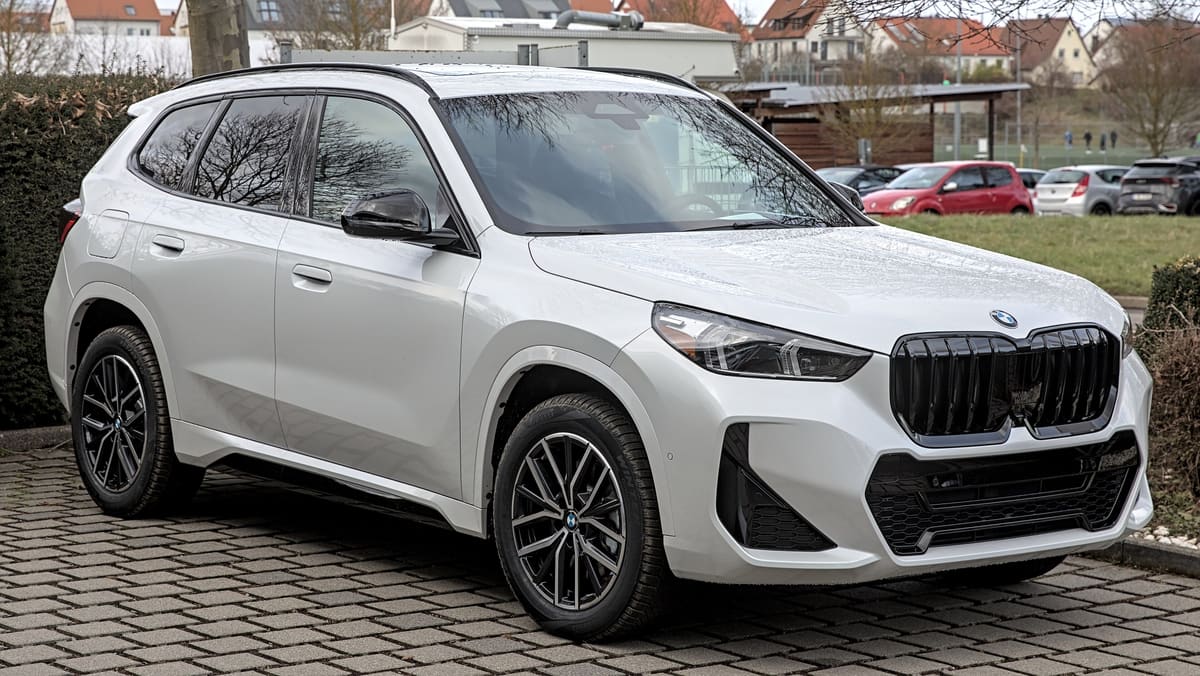
The BMW X1 offers competitive running costs for a premium compact SUV. Fuel efficiency varies by engine type, with diesel models generally providing better mileage. Insurance groups range from moderate to high, while road tax depends on emissions. Regular servicing is essential, and depreciation is in line with its segment, making it a solid choice for many drivers.
Fuel and Electric Costs
The fuel economy of the BMW X1 is one of its strong points, particularly with the diesel variants.
For electric models, the X1 is available as a plug-in hybrid, which can offer significant savings on fuel costs if charged regularly. The electric range is sufficient for daily commutes, and with the increasing availability of charging points across the UK, running costs can be kept low.
Insurance Group
Insurance costs for the BMW X1 can vary significantly based on the model and trim level. Generally, the X1 falls into insurance groups ranging from 22 to 36. This places it in the mid to high range for compact SUVs, meaning that premiums can be higher than average, especially for higher-spec models.
It is advisable for potential buyers to obtain quotes from multiple insurers, as premiums can differ widely based on individual circumstances such as driving history, location, and age. Additionally, opting for a higher excess can sometimes reduce the overall premium.
Road Tax Band
The BMW X1’s road tax is determined by its CO2 emissions, which vary by engine type. Most petrol models fall into higher tax bands due to their emissions, while diesel versions tend to be more economical in this regard. Newer models equipped with cleaner technology may benefit from lower tax rates, which is an important consideration for budget-conscious buyers.
For electric and hybrid models, the road tax is significantly reduced or even exempt, making them an attractive option for those looking to minimise running costs. It’s essential to check the specific emissions ratings of the chosen model to understand the applicable tax band.
Servicing Intervals
Regular servicing is crucial for maintaining the BMW X1’s performance and reliability. The manufacturer recommends servicing every 12,000 miles or 12 months, whichever comes first. This interval is relatively standard for vehicles in this category, ensuring that the car remains in peak condition.
During servicing, common checks include oil changes, brake inspections, and tyre rotations. BMW also offers a service package that can help manage costs over the ownership period. Owners should keep an eye on the service history, as a well-documented record can enhance resale value.
Typical Depreciation
Depreciation is an important factor to consider when assessing the total ownership cost of a BMW X1. On average, luxury vehicles like the X1 tend to depreciate faster than mainstream brands. Typically, a BMW X1 can lose around 50-60% of its value over the first three to five years, depending on the model and condition.
Factors influencing depreciation include mileage, service history, and overall demand in the used car market. Keeping the vehicle well-maintained and opting for popular trim levels can help mitigate depreciation.
Overall Ownership Costs
When considering the overall ownership costs of the BMW X1, it is essential to factor in fuel, insurance, road tax, servicing, and depreciation. While initial purchase prices may be higher than some rivals, the X1’s blend of performance, comfort, and practicality can justify the investment.
For many drivers, the X1 represents a balance between luxury and affordability, with running costs that can be managed effectively. By choosing the right model and maintaining it properly, owners can enjoy a premium driving experience without excessive financial strain.
BMW X1 recall record
40 recalls have been issued for the BMW X1, between 2012 and 2026.
Replace the Driver’s Airbag – Takata PSDI-5
R/2025/327Issued 12 January 2026
Affected vehicles may be fitted with a drivers airbag which may deploy with too much explosive force causing sharp metal fragments to be released into the cabin. It has the potential to fatally or seriously injure vehicle occupants.
Remedy:Affected vehicles will have the airbag replaced.
Affects cars built Aug 2009 to Jun 2015
Takata Driver and/or Passenger Airbag Recall (Global VINs)
R/2025/349Issued 18 December 2025
Affected vehicles are already included in Safety Recalls within the markets they have previously resided in. The vehicles may be fitted with a driver and/or passenger airbag/s which if deployed may do so with excessive force causing sharp metal fragments to be released this may cause serious injury which could prove fatal to people in the vicinity.
Remedy:Vehicles will have the affected airbags checked and if necessary replaced.
Affects cars built Jul 2009 to May 2015
Seat Belt Rear Outer Seats
R/2025/443Issued 23 October 2025
On affected vehicles either one or both of the outer most rear seats may not have been manufactured correctly and the sensitivity sensor may be deformed. If the sensor is not functioning correctly there is a risk the seat belt may not operate as intended.
Remedy:On affected vehicles the affected seatbelts will be checked and replaced.
Affects cars built Aug 2025 to Oct 2025
Front Seat Belt Retractor
R/2025/398Issued 23 September 2025
On affected vehicles the front seat belts may have damage to the torsion bar caused during manufacture. The retention function of the seat belt may not perform as expected in the event of an accident.
Remedy:Affected vehicles will have the affected seatbelts replaced.
Affects cars built Jun 2025 to Jul 2025
36 older recalls not shown.
A recall applies to a build range, not to every car of this model. Check a registration to see whether one specific vehicle has an outstanding recall.
BMW X1 MOT record
From 111,362 recorded MOT tests, 14.7% failed.
| Registered | Tests | Failed | Median mileage |
|---|---|---|---|
| 2023 | 269 | 6.3% | 18,583 mi |
| 2022 | 7,245 | 7.2% | 23,733 mi |
| 2021 | 7,490 | 7.3% | 31,555 mi |
| 2020 | 7,556 | 8.3% | 35,166 mi |
| 2019 | 13,424 | 8.8% | 41,909 mi |
| 2018 | 14,460 | 11.1% | 50,912 mi |
| 2017 | 13,760 | 12.3% | 63,042 mi |
| 2016 | 12,411 | 14.4% | 70,028 mi |
Most common reasons for failure
- Tyre tread depth not in accordance with the requirements32.1%
- A suspension pin, bush or joint excessively worn24.2%
- A tyre seriously damaged24.1%
- a brake lining or pad worn below 1.5mm11.9%
- Brake disc or drum excessively weakened, insecure or fractured7.7%
Figures cover every BMW X1 tested in the DVSA dataset, not this specific car. Check a registration for the actual history of one vehicle.
BMW X1 official figures
Median across 34 variants on sale, diesel, diesel electric, electricity / petrol, petrol, petrol electric.
- Combined economy
- 50.4 mpg
- WLTP median across variants
- CO2 emissions
- 132.5 g/km
- Sets the first-year tax rate
Official figures for new cars. Real economy varies with driving, load and conditions.
Frequently asked questions
What are the average fuel costs for a BMW X1?
The average fuel costs for a BMW X1 can vary depending on the engine type and driving habits. Generally, you can expect to spend a reasonable amount on fuel, especially if you choose a more efficient model.
How much is road tax for the BMW X1?
Road tax for the BMW X1 depends on the specific model and its CO2 emissions. Typically, newer models with lower emissions will have lower road tax rates.
What are the insurance costs for a BMW X1?
Insurance costs for a BMW X1 can vary widely based on factors like your age, driving history, and location. On average, you might find insurance premiums to be moderate compared to other vehicles in its class.
Are maintenance costs high for the BMW X1?
Maintenance costs for the BMW X1 are generally in line with other premium compact SUVs. Regular servicing and parts can be more expensive than non-premium brands, so it's wise to budget accordingly.
What is the warranty coverage for a BMW X1?
The BMW X1 typically comes with a three-year warranty, which covers most repairs and defects. Extended warranty options may also be available for added peace of mind.
How does depreciation affect the BMW X1's running costs?
Depreciation can significantly impact the running costs of a BMW X1. Like most premium vehicles, it may lose value faster in the first few years, so consider this when calculating overall ownership costs.
What are the servicing intervals for a BMW X1?
Servicing intervals for a BMW X1 are usually every 12 months or 18,000 miles, whichever comes first. Regular servicing is essential to keep running costs down and maintain the vehicle's performance.
Is the BMW X1 economical for city driving?
The BMW X1 can be economical for city driving, especially with its efficient engine options. However, fuel consumption may increase in stop-and-go traffic, so it's worth considering your typical driving conditions.
Sources
- DVSA anonymised MOT tests and results (Open Government Licence v3.0)
- VCA new car fuel consumption and emissions data (Open Government Licence v3.0)
- DVSA vehicle safety recalls (Open Government Licence v3.0)