Reliability
BMW X5 reliability: how dependable is it really?
What BMW X5 owners actually report, by year, plus what MOT data tells us about its reliability.
Updated 23rd June 2026 DVSA data: Across 92,114 recorded MOT tests, 16.8% failed.
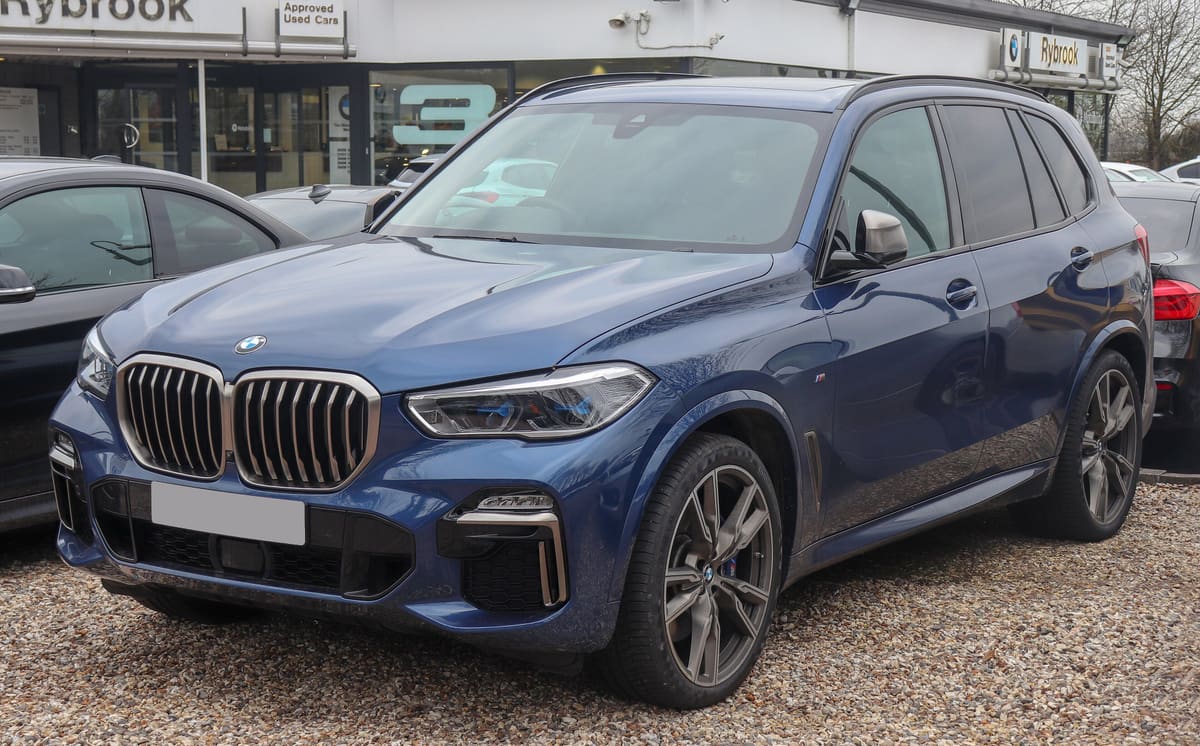
The BMW X5 is generally considered a reliable luxury SUV, but its dependability can vary by model year. Overall, the X5 has a solid reputation, with many owners reporting satisfaction. However, certain years may have specific issues that potential buyers should be aware of.
Early Models (1999-2006)
The first generation of the BMW X5, produced from 1999 to 2006, laid the groundwork for the model’s reputation. While many owners praise its driving dynamics and comfort, some common issues have been reported. Problems with the cooling system and electrical components can arise, leading to potential reliability concerns.
The early X5s are known for their robust build quality, but the complexity of the electronics can lead to failures. Owners have noted that regular maintenance is crucial to avoid expensive repairs. Additionally, the diesel variants tend to be more reliable than their petrol counterparts, making them a popular choice among buyers.
Second Generation (2007-2013)
The second generation of the X5 saw improvements in reliability, with many models receiving positive feedback from owners. However, some issues still persist, particularly with the diesel engines. Problems with the fuel system and turbochargers have been reported, which can lead to costly repairs if not addressed promptly.
Despite these concerns, the 2007-2013 X5s are generally regarded as dependable vehicles. The introduction of more advanced technology has improved the driving experience, but it also means that repairs can be more complex and expensive. Regular servicing and attention to common problem areas can help maintain reliability.
Third Generation (2014-2018)
The third generation of the BMW X5 marked a significant step forward in terms of technology and comfort. This model is generally considered more reliable than its predecessors, with fewer widespread issues reported. However, some owners have experienced problems with the air suspension and electrical systems, which can be costly to repair.
The 2014-2018 X5s benefit from improved build quality and a more refined driving experience. Many owners report high satisfaction levels, particularly with the interior quality and technology features. Regular maintenance remains essential, but overall, this generation is seen as a dependable choice for luxury SUV buyers.
Latest Models (2019-Present)
The latest generation of the BMW X5, introduced in 2019, continues the trend of improved reliability. Early reports indicate that this model has fewer significant issues compared to earlier generations. However, as with any new vehicle, it is essential to keep an eye on potential recalls and service bulletins that may arise.
Owners appreciate the advanced technology and safety features that come with the latest X5 models. The driving experience is enhanced by improved engines and a more comfortable ride. While it is too early to draw definitive conclusions about long-term reliability, initial feedback suggests that the 2019-present X5 is a solid choice for those seeking dependability in a luxury SUV.
Maintenance and Ownership Costs
Owning a BMW X5 can come with higher maintenance and repair costs compared to non-luxury brands. Regular servicing is vital to ensure the vehicle remains reliable over time. Many owners recommend using a specialist BMW garage for repairs and maintenance, as they tend to have more expertise with the brand’s specific issues.
The cost of parts can also be higher, particularly for complex components like the air suspension and electronics. However, many owners find that the driving experience and comfort justify the expenses. It is advisable to set aside a budget for maintenance to keep the X5 in top condition.
Owner Experiences and Feedback
Owner feedback plays a crucial role in understanding the reliability of the BMW X5. Many owners report high satisfaction levels, particularly with the driving dynamics and comfort. However, some have experienced issues that can impact overall reliability, such as electrical faults and engine problems.
Many owners share tips on preventative maintenance and how to address specific problems. Engaging with the community can help potential buyers make informed decisions and understand what to expect from their X5 ownership experience. Online forums and owner groups often provide valuable insights into common issues and solutions.
while the BMW X5 has a generally good reputation for reliability, potential buyers should be aware of the specific issues that can arise with different model years. Regular maintenance and attention to common problem areas can help ensure a dependable ownership experience.
BMW X5 recall record
67 recalls have been issued for the BMW X5, between 2002 and 2026.
Replace the Engine Starter Motor
R/2026/054Issued 2 March 2026
The Safety Recall relates to the engine starter motor. The fault relates to the RSW22 starter RWT (reinforced water tightness). It was found that with RWT starters an increased abrasion of the magnetic contact can cause the growth of deposits at the lowest point of the relay interior. This in turn may increase the relay contact resistance resulting in false starts or even causing short circuits and possibly a thermal reaction. In case of a short circuit the possibility of a thermal event cannot be excluded. This may happen while attempting to start the vehicle or while driving due to vibrations causing a short circuit due to moving deposits.
Remedy:On the affected vehicles the starter motor will be replaced with a variant by another supplier with a different design. Until the repair has been completed it is recommended to not leave the vehicle running unattended after starting the engine.
Affects cars built May 2021 to Jun 2021
Takata Driver and/or Passenger Airbag Recall (Global VINs)
R/2025/349Issued 18 December 2025
Affected vehicles are already included in Safety Recalls within the markets they have previously resided in. The vehicles may be fitted with a driver and/or passenger airbag/s which if deployed may do so with excessive force causing sharp metal fragments to be released this may cause serious injury which could prove fatal to people in the vicinity.
Remedy:Vehicles will have the affected airbags checked and if necessary replaced.
Affects cars built Aug 2006 to Jun 2013
Replace the Engine Starter Motor
R/2025/406Issued 7 October 2025
For affected vehicles local overheating may occur at the electrical contacts of the vehicle's engine starter motor. This may cause an increase in current flow resulting in local overheating or risk of thermal event.
Remedy:Replacement of the starter motor.
Affects cars built Oct 2018 to Jun 2020
Check Windscreen Bonding reworking if necessary
R/2025/360Issued 3 September 2025
For affected vehicles there is concern that a gap in the windshield urethane seal at the right A-pillar was created. Due to the gap water can ingress with possible water contamination of the glove box and carpet area including the Body Domain Control unit (BDC) and power distribution box.
Remedy:Check bonding of windshield and for water contamination if necessary reseal windscreen and and inspect electrical components replacing if required.
Affects cars built Aug 2025 to Aug 2025
63 older recalls not shown.
A recall applies to a build range, not to every car of this model. Check a registration to see whether one specific vehicle has an outstanding recall.
BMW X5 MOT record
From 92,114 recorded MOT tests, 16.8% failed.
| Registered | Tests | Failed | Median mileage |
|---|---|---|---|
| 2023 | 223 | 11.2% | 24,908 mi |
| 2022 | 7,602 | 13.7% | 30,740 mi |
| 2021 | 6,222 | 12.9% | 40,346 mi |
| 2020 | 4,808 | 10.7% | 45,297 mi |
| 2019 | 8,303 | 11.4% | 53,104 mi |
| 2018 | 6,806 | 12.3% | 63,950 mi |
| 2017 | 5,928 | 11.3% | 73,088 mi |
| 2016 | 6,223 | 11.3% | 80,678 mi |
Most common reasons for failure
- Tyre tread depth not in accordance with the requirements32.4%
- A suspension pin, bush or joint excessively worn27.2%
- A tyre seriously damaged20.5%
- A tyre cords visible or damaged11.5%
- Fluid leaking excessively and likely to harm the environment or to pose a safety risk to other road users8.4%
Figures cover every BMW X5 tested in the DVSA dataset, not this specific car. Check a registration for the actual history of one vehicle.
BMW X5 official figures
Median across 14 variants on sale, diesel electric, electricity / petrol, petrol electric.
- Combined economy
- 37.2 mpg
- WLTP median across variants
- CO2 emissions
- 199.5 g/km
- Sets the first-year tax rate
Official figures for new cars. Real economy varies with driving, load and conditions.
Frequently asked questions
How reliable is the BMW X5 compared to other SUVs?
The BMW X5 generally has a good reputation for reliability among luxury SUVs. However, it can be more expensive to maintain than some of its competitors.
What common issues should I look out for in a used BMW X5?
Common issues include electrical problems, air suspension failures, and oil leaks. It's advisable to have a thorough inspection before purchasing a used model.
Are BMW X5 parts expensive to replace?
Yes, parts for the BMW X5 can be relatively expensive due to its luxury status. Regular maintenance can help prevent costly repairs in the long run.
How does the BMW X5 perform in terms of long-term reliability?
The BMW X5 can perform well in terms of long-term reliability if properly maintained. Regular servicing and addressing issues promptly can extend its lifespan.
Is the BMW X5 worth the investment for reliability?
Many owners find the BMW X5 to be a worthwhile investment due to its performance and comfort. However, potential buyers should consider maintenance costs.
What is the average lifespan of a BMW X5?
With proper care, a BMW X5 can last well over 10 years. Regular maintenance is key to achieving a long lifespan.
How does the warranty coverage work for a BMW X5?
BMW typically offers a three-year warranty for new vehicles, which covers most repairs. Extended warranties may be available for used models.
Are there any specific models of the BMW X5 known for better reliability?
Some owners report that earlier models, particularly those from the 2013 to 2018 range, tend to have fewer issues. Researching specific model years can provide more insight.
Sources
- DVSA anonymised MOT tests and results (Open Government Licence v3.0)
- VCA new car fuel consumption and emissions data (Open Government Licence v3.0)
- DVSA vehicle safety recalls (Open Government Licence v3.0)