MOT failure rates
Ford Edge MOT failure rates: what to expect
What fails on a Ford Edge at MOT, how often, and what each fix typically costs.
Updated 4th September 2026 DVSA data: Across 8,814 recorded MOT tests, 13.0% failed.
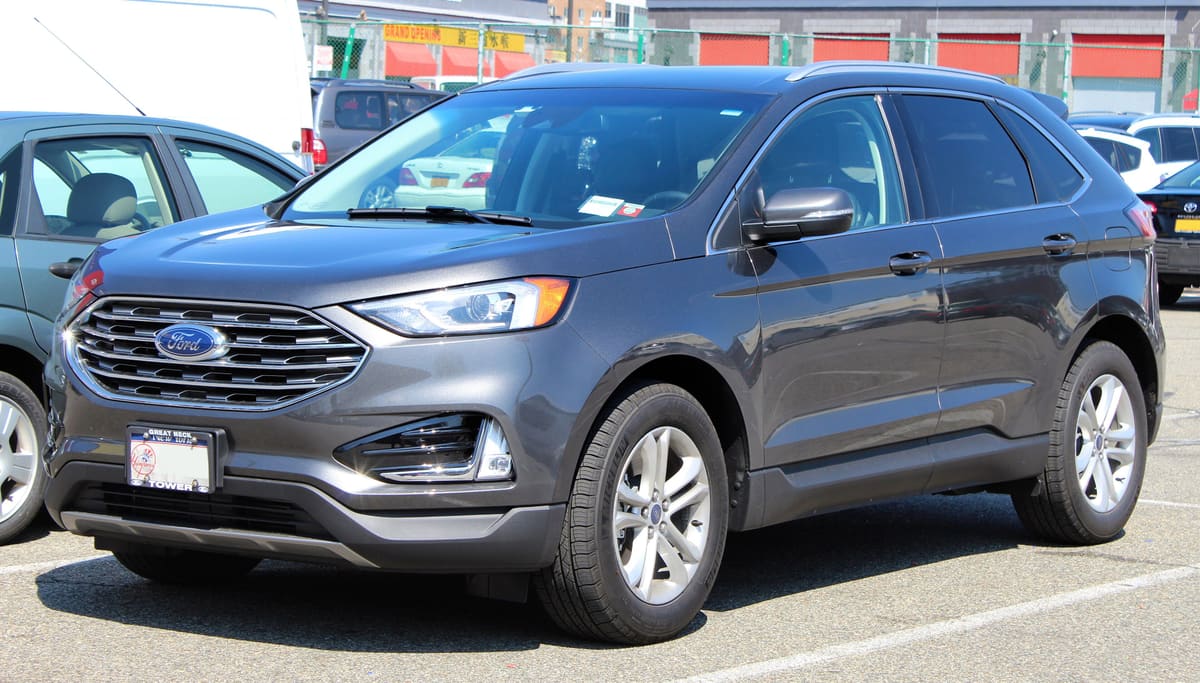
The Ford Edge often faces specific issues during its MOT tests, primarily related to brakes, suspension, and emissions. Common failures include worn brake pads, faulty suspension components, and exhaust system problems. Repair costs can vary, but addressing these issues promptly can help ensure a successful MOT.
Brake System Failures
One of the most frequent reasons the Ford Edge fails its MOT is due to the brake system. Worn brake pads and discs are common culprits.
Additionally, brake fluid quality is crucial. If the fluid is contaminated or low, it may lead to brake failure. Regular checks and maintenance of the braking system can prevent these issues from arising.
Suspension Issues
Suspension problems are another common failure point for the Ford Edge during MOT tests. Worn shock absorbers or broken springs can lead to a failed test.
A failing suspension can also affect the vehicle’s handling and comfort, making it essential to address these issues promptly. Regular inspections can help identify wear and tear before it becomes a more significant problem.
Emissions and Exhaust System
Emissions failures are increasingly common in modern vehicles, including the Ford Edge. Issues with the exhaust system, such as a failing catalytic converter or exhaust leaks, can lead to MOT failures.
Keeping an eye on exhaust performance and addressing any unusual noises or smells can help avoid these costly repairs.
Tyres and Wheel Alignment
Tyre condition is another critical factor in the MOT process. The Ford Edge requires tyres with a minimum tread depth of 1.6mm across the central three-quarters of the tyre.
Moreover, improper wheel alignment can lead to uneven tyre wear and handling issues. Regular tyre checks and rotations can extend their lifespan and ensure optimal performance.
Lighting and Visibility
Lighting issues are also a common reason for MOT failures in the Ford Edge. Faulty headlights, tail lights, or indicators can lead to a failed test.
Worn wiper blades can also lead to visibility problems. Ensuring all lights and visibility aids are functioning correctly can help avoid MOT failures and enhance safety on the road.
General Maintenance and Checks
Regular maintenance is crucial for the Ford Edge to pass its MOT. This includes checking fluid levels, brakes, lights, and tyres.
Investing in regular maintenance can help identify potential issues before they become significant problems, ultimately saving money on repairs and ensuring a smoother MOT process. Keeping the vehicle in good condition not only aids in passing the MOT but also enhances overall performance and safety.
Ford Edge recall record
6 recalls have been issued for the Ford Edge, between 2016 and 2026.
MVL: REAR-VIEW CAMERA DISTORTED AND/OR LOSS OF IMAGE
R/2026/213Issued 28 May 2026
Affected vehicles may have an issue with the rear-view camera. Drivers may experience a distorted or loss of image.
Remedy:Check vehicle and replace camera as required.
Affects cars built Dec 2015 to Sept 2016
CrossCar: Sync3 Rear-View Camera Software Update
R/2025/359Issued 8 September 2025
On affected vehicles a software problem may result in issues with the rear-view camera that reduce the driver’s view or with it remaining on after a reversing event.
Remedy:Update the vehicle software to the latest level.
Affects cars built Sept 2018 to Nov 2018
Brake Hose Leak
R/2026/076Issued 23 May 2024
On affected vehicles there is the possibility of the front brake hoses leaking.
Remedy:Replace both front brake hoses and modify the hose routing and ride height sensor if necessary.
Affects cars built Dec 2015 to Dec 2018
TAKATA AIR BAG INFLATOR MAY RUPTURE ON DEPLOYMENT
R/2019/156Issued 21 August 2020
Air bag inflators may not operate as intended
Remedy:Replace air bag inflator
Affects cars built Jul 2007 to Jul 2010
2 older recalls not shown.
A recall applies to a build range, not to every car of this model. Check a registration to see whether one specific vehicle has an outstanding recall.
Ford Edge MOT record
From 8,814 recorded MOT tests, 13.0% failed.
| Registered | Tests | Failed | Median mileage |
|---|---|---|---|
| 2019 | 1,002 | 10.7% | 45,386 mi |
| 2018 | 1,637 | 13.4% | 59,970 mi |
| 2017 | 3,891 | 13.0% | 65,840 mi |
| 2016 | 2,284 | 13.8% | 71,862 mi |
Most common reasons for failure
- Tyre tread depth not in accordance with the requirements37.2%
- a brake lining or pad worn below 1.5mm27.5%
- A tyre seriously damaged15.9%
- Brake disc or drum excessively weakened, insecure or fractured12.5%
- A shock absorber damaged to the extent that it does not function or showing signs of severe leakage6.9%
Figures cover every Ford Edge tested in the DVSA dataset, not this specific car. Check a registration for the actual history of one vehicle.
Frequently asked questions
What is the Ford Edge MOT?
The Ford Edge MOT is an annual test required by law to ensure that your vehicle meets road safety and environmental standards. It checks various aspects of the car, including brakes, lights, and emissions.
How often do I need to get my Ford Edge MOT done?
You need to get your Ford Edge MOT done every 12 months once it is three years old. It's important to keep track of the expiry date to avoid fines.
What happens if my Ford Edge fails the MOT?
If your Ford Edge fails the MOT, you will receive a list of issues that need to be addressed. You must fix these problems and have the vehicle retested before it can be legally driven.
Can I drive my Ford Edge if the MOT has expired?
No, you cannot legally drive your Ford Edge if the MOT has expired, unless you are driving it to a pre-booked MOT appointment. Driving without a valid MOT can result in fines and penalties.
How can I prepare my Ford Edge for the MOT?
To prepare your Ford Edge for the MOT, check the lights, brakes, tyres, and fluid levels. It may also be helpful to have a qualified mechanic inspect the vehicle beforehand.
Where can I get my Ford Edge MOT done?
You can get your Ford Edge MOT done at any authorised MOT testing centre in the UK. It's advisable to choose a reputable garage with good reviews.
What documents do I need for the Ford Edge MOT?
You will need to bring your vehicle registration document and any previous MOT certificates. It's also helpful to have proof of identity and insurance.
How long does the Ford Edge MOT take?
The Ford Edge MOT typically takes about 45 minutes to an hour. However, this can vary depending on the garage and the condition of the vehicle.
Sources
- DVSA anonymised MOT tests and results (Open Government Licence v3.0)
- DVSA vehicle safety recalls (Open Government Licence v3.0)