2019 to 2024 problems
Hyundai i30 2019 to 2024: common problems and what to know
What goes wrong on the 2019 to 2024 Hyundai i30, what owners report and what to check before you buy one.
Updated 22nd June 2026 DVSA data: Across 101,380 recorded MOT tests, 28.6% failed.
TL;DR
The 2019 to 2024 Hyundai i30 is generally reliable but has some common issues, particularly with the infotainment system and engine performance. It’s important to check for these problems before making a purchase.
Key facts callout
- The Hyundai i30 is known for its solid build quality and good reliability ratings.
- Common issues include infotainment glitches and engine performance concerns.
- Owners report varying experiences with dealership support and aftersales service.
- The i30 has a good safety rating, making it a family-friendly choice.
Engine and gearbox
The 2019 to 2024 Hyundai i30 offers a choice of petrol and diesel engines, with the 1.0-litre turbocharged petrol and 1.6-litre diesel being popular options. Generally, these engines are well-regarded for their efficiency and performance. However, some owners have reported performance issues, particularly with the 2.0-litre Nu MPI engine, which has faced recalls due to potential problems with the piston oil rings. If these rings are not properly heat-treated, it could lead to engine damage and stalling, posing a safety risk.
The gearbox options include a six-speed manual and a seven-speed dual-clutch automatic. While the manual transmission is often praised for its smooth operation, some owners have experienced issues with the automatic transmission, including hesitation during gear changes. It is advisable to test drive the vehicle thoroughly to ensure the gearbox operates smoothly.
Electrics and electronics
The infotainment system in the i30 has been a point of contention among owners. Reports indicate that the system can freeze or lag, which can be frustrating during use. Some users have also experienced issues with Bluetooth connectivity and USB ports. While these problems are not universal, they are common enough to warrant a check during a test drive.
Additionally, there have been occasional electrical faults reported, such as issues with the e-handbrake. Some owners have had their e-handbrake fail, leading to replacements under warranty. It’s worth checking if any recalls or service bulletins have been issued for the specific model you are considering.
Body and suspension
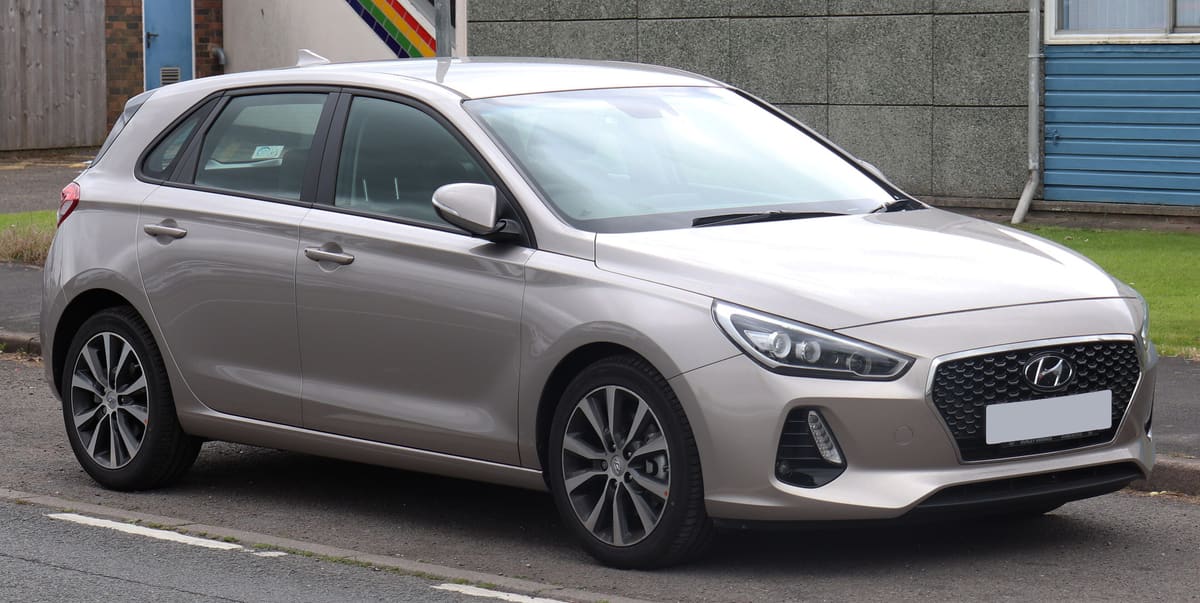
The overall build quality of the Hyundai i30 is solid, with a well-designed body that holds up well over time. Many owners appreciate the stylish design and practicality of the hatchback layout. However, some have reported minor bodywork issues, such as paint imperfections and rust in certain areas, particularly if the vehicle has been exposed to harsh weather conditions.
The suspension setup provides a comfortable ride, but some drivers have noted that it can feel a bit firm on rough roads. Regular maintenance is essential to keep the suspension components in good condition, particularly if the vehicle has been driven on uneven surfaces.
What people are asking
What are the common problems with the Hyundai i30? Common problems include issues with the infotainment system, engine performance, and occasional electrical faults.
Is the 2019 Hyundai i30 reliable? Overall, the Hyundai i30 is generally considered reliable, but its occasional faults and varying dealership experiences suggest room for improvement in aftersales support.
What is the problem with the Hyundai engine in 2019? The 2019 Hyundai i30 has faced recalls related to the 2.0-litre Nu MPI engine, which may have improperly heat-treated piston oil rings, potentially leading to engine damage.
What is the best year of the Hyundai i30? While the 2019 to 2024 models are generally well-regarded, the best year can depend on personal preferences and specific features desired.
What owners say
Owners of the 2019 to 2024 Hyundai i30 generally appreciate its reliability and comfort. Many highlight the spacious interior and good fuel economy as major positives. However, there are mixed feelings regarding the infotainment system, with some users expressing frustration over glitches and connectivity issues. Discussions on forums suggest that while most owners are satisfied, they recommend checking the vehicle’s service history and any outstanding recalls before purchasing.
Should you buy a 2019 to 2024 Hyundai i30?
The 2019 to 2024 Hyundai i30 is a solid choice for those seeking a reliable and practical hatchback. While it has some common issues, particularly with the infotainment system and certain engine variants, the overall build quality and safety ratings make it a worthwhile consideration. If you are considering purchasing one, ensure you do thorough checks for any recalls or service history, and take it for a test drive to assess its performance and comfort.
Hyundai i30 recall record
9 recalls have been issued for the Hyundai i30, between 2013 and 2025.
Driver-side Airbag (DAB) Inflator may not deploy as intended
R/2025/456Issued 17 November 2025
Driver-side Airbag (DAB) Inflator may not deploy as intended. This may result in a component entering into the vehicle occupant compartment.
Remedy:The DAB Inflator will be replaced.
Affects cars built Oct 2008 to Jun 2009
THE SUBJECT VEHICLES MAY EXPERIENCE ABNORMAL PERFORMANCE OF THE FRONT RIGHT HAND SEATBELT PRETENSIONER DURING DEPLOYMENT
R/2022/164Issued 27 June 2022
The subject vehicles may experience abnormal performance of the front right hand seatbelt pretensioner during deployment.
Remedy:Replace the front right hand seatbelt assembly with a countermeasure part.
Affects cars built May 2020 to Oct 2020
INDIRECT TYRE PRESSURE MONITORING SYSTEMS MAY NOT COMPLY WITH EUROPEAN REGULATIONS
R/2021/261Issued 16 August 2021
Indirect tyre pressure monitoring systems may not comply with European regulations.
Remedy:Software update applied to the electronic stability program.
Affects cars built Jun 2020 to Sept 2021
IF MOISTURE ENTERS THE ABS MODULE IT COULD CAUSE AN ELECTRICAL SHORT
R/2020/059Issued 1 June 2020
When the vehicle is turned off if moisture enters the ABS module it could cause an electrical short.
Remedy:Affected vehicles will have a relay installed in the main fuse box to prevent power going to the ABS module when the ignition key is in the off position.
Affects cars built Nov 2006 to Dec 2010
5 older recalls not shown.
A recall applies to a build range, not to every car of this model. Check a registration to see whether one specific vehicle has an outstanding recall.
Hyundai i30 MOT record
From 101,380 recorded MOT tests, 28.6% failed.
| Registered | Tests | Failed | Median mileage |
|---|---|---|---|
| 2022 | 1,393 | 8.4% | 23,773 mi |
| 2021 | 1,753 | 11.2% | 32,035 mi |
| 2020 | 1,554 | 10.8% | 37,282 mi |
| 2019 | 4,100 | 11.4% | 41,807 mi |
| 2018 | 7,251 | 14.2% | 53,235 mi |
| 2017 | 6,652 | 15.8% | 60,306 mi |
| 2016 | 9,358 | 23.9% | 69,175 mi |
| 2015 | 13,401 | 25.2% | 76,696 mi |
Most common reasons for failure
- Tyre tread depth not in accordance with the requirements29.5%
- A suspension pin, bush or joint excessively worn28.0%
- A suspension component excessively damaged or corroded14.3%
- A tyre seriously damaged14.3%
- Brake disc or drum excessively weakened, insecure or fractured13.8%
Figures cover every Hyundai i30 tested in the DVSA dataset, not this specific car. Check a registration for the actual history of one vehicle.
Hyundai i30 official figures
Median across 18 variants on sale, petrol, petrol electric.
- Combined economy
- 48.3 mpg
- WLTP median across variants
- CO2 emissions
- 131 g/km
- Sets the first-year tax rate
Official figures for new cars. Real economy varies with driving, load and conditions.
Frequently asked questions
What are the common problems with the Hyundai i30?
Common problems include issues with the infotainment system, engine performance, and occasional electrical faults.
Is the 2019 Hyundai i30 reliable?
Overall, the Hyundai i30 is generally considered reliable, but its occasional faults and varying dealership experiences suggest room for improvement in aftersales support.
Sources
- DVSA anonymised MOT tests and results (Open Government Licence v3.0)
- VCA new car fuel consumption and emissions data (Open Government Licence v3.0)
- DVSA vehicle safety recalls (Open Government Licence v3.0)