Top fixes
Hyundai Ioniq 6 top fixes: how owners handle the common issues
Practical fixes for the common Hyundai Ioniq 6 faults owners run into.
Updated 4th September 2026
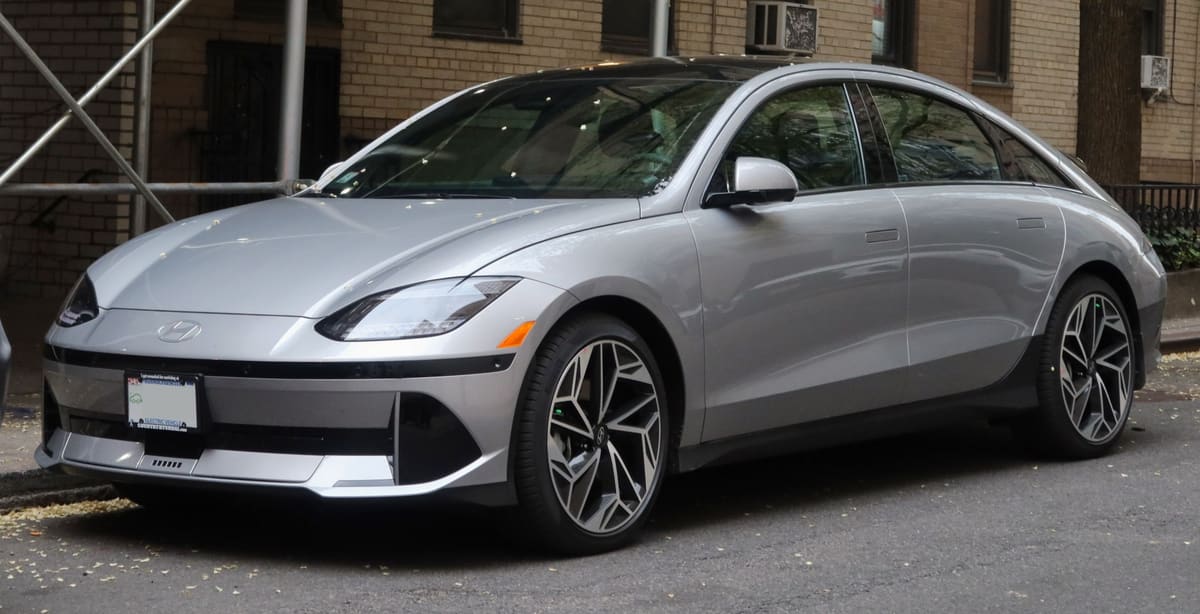
The Hyundai Ioniq 6 is a popular electric vehicle, but like any car, it can experience issues. Common problems include battery performance, infotainment glitches, and tyre wear. This article outlines practical fixes for these issues, helping owners maintain their vehicle’s performance and reliability.
Battery Performance Issues
One of the most frequently reported issues with the Hyundai Ioniq 6 is related to battery performance. Owners have noted that the battery may not hold a charge as well as expected, particularly in colder weather. To address this, ensure that the vehicle is regularly charged and consider using a home charging unit that optimises charging times.
Additionally, keeping the battery at an optimal state of charge can help. Regularly updating the vehicle’s software can also improve battery management and efficiency.
Infotainment System Glitches
Many Ioniq 6 owners have experienced glitches with the infotainment system, such as unresponsive touchscreens or connectivity issues with smartphones. To resolve these problems, start by performing a system reset. This can often clear temporary bugs and restore functionality.
If the issues persist, check for software updates. Hyundai regularly releases updates that can fix known bugs and improve system performance. Connecting your smartphone via Bluetooth can also sometimes resolve connectivity issues, so ensure that your device is compatible and updated.
Tyre Wear and Alignment
Tyre wear is another common concern for Ioniq 6 owners, often linked to improper alignment or inflation. Regularly check tyre pressure and ensure it meets the manufacturer’s recommendations. Under-inflated tyres can lead to uneven wear and reduced efficiency.
If you notice uneven tyre wear, it may be time for a wheel alignment. This can be done at most garages and is essential for maintaining even tyre wear and optimal handling. Regular rotation of the tyres can also help extend their lifespan and improve overall performance.
Charging Port Issues
Some Hyundai Ioniq 6 owners have reported issues with the charging port, including difficulty connecting the charger or the port not recognising the charger. To fix this, inspect the charging port for any debris or damage. A gentle cleaning with a soft cloth can help remove any obstructions.
If the problem continues, consider using a different charging cable or station to determine if the issue lies with the charger itself. If multiple chargers fail to connect, it may be necessary to consult a professional for further diagnosis and repair.
Climate Control Problems
Climate control issues can arise in the Ioniq 6, with some owners experiencing inconsistent heating or cooling. To troubleshoot, first check the settings to ensure they are correctly configured. Sometimes, a simple adjustment can resolve the problem.
If the climate control system is still not functioning properly, inspect the cabin air filter. A clogged filter can restrict airflow and affect temperature regulation. Replacing the air filter is a straightforward task that can significantly improve the system’s performance.
Brake System Concerns
Brake system issues, such as squeaking or reduced responsiveness, have been reported by some Ioniq 6 owners. If you notice any unusual noises or changes in braking behaviour, it is crucial to address these concerns promptly. Start by checking the brake pads for wear; if they are worn down, replacement is necessary.
Additionally, ensure that the brake fluid is at the correct level. Low brake fluid can lead to reduced braking efficiency. If you are unsure about the condition of your brakes, it is advisable to have them inspected by a professional to ensure safety.
By addressing these common issues proactively, Hyundai Ioniq 6 owners can enhance their driving experience and maintain the vehicle’s reliability. Regular maintenance and attention to detail can prevent minor problems from escalating into more significant concerns.
Hyundai Ioniq 6 recall record
3 recalls have been issued for the Hyundai Ioniq 6, between 2024 and 2025.
The vehicle charge port door outer panel may detach
R/2025/457Issued 17 November 2025
The vehicle charge port door outer panel may have insufficient engagement between the outer panel retaining hooks and the charging port door increasing the risk of detachment during operation.
Remedy:To rectify this issue the charge port door outer panel assembly will be adhered as a permanent solution.
Affects cars built Aug 2022 to Jan 2025
The rear inner driveshaft may develop noise resulting in a loss of drive
R/2024/169Issued 13 May 2024
On affected vehicles the rear inner driveshaft may develop noise resulting in a loss of drive.
Remedy:On all affected vehicles replace the affected driveshaft and check properly fastened
Affects cars built Jan 2023 to Feb 2023
The Integrated Charging Control Unit (ICCU) may become defective and stop charging the 12-volt battery which can result in the vehicle entering into a ‘failsafe’ driving mode.
R/2024/164Issued 6 May 2024
On affected vehicles the Integrated Charging Control Unit (ICCU) may be come defective and stop charging the 12volt battery this can result in the vehicle entering a failsafe driving mode
Remedy:On all affected vehicles update the ICCU software and check and replace if necessary the ICCU and fuse.
Affects cars built Sept 2022 to Mar 2024
A recall applies to a build range, not to every car of this model. Check a registration to see whether one specific vehicle has an outstanding recall.
Hyundai Ioniq 6 official figures
Median across 14 variants on sale, electricity.
- Electric range
- 322 miles
- Manufacturer WLTP figure
Official figures for new cars. Real economy varies with driving, load and conditions.
Frequently asked questions
What common issues should I look for in a Hyundai Ioniq 6?
Common issues may include battery performance, software glitches, and charging problems. It's advisable to check for any recalls or service bulletins related to these areas.
How can I tell if the battery is in good condition?
You can assess the battery's condition by checking its state of charge and any warning lights on the dashboard. A professional inspection can provide a more thorough evaluation.
Are there any known software updates for the Ioniq 6?
Yes, Hyundai periodically releases software updates to improve performance and fix bugs. It's best to check with your local dealer for the latest updates.
What should I do if my Ioniq 6 won't charge?
If your Ioniq 6 won't charge, first check the charging cable and socket for any damage. If everything appears fine, consult a qualified technician for further diagnosis.
Is there a warranty for the Hyundai Ioniq 6?
Yes, the Hyundai Ioniq 6 typically comes with a manufacturer's warranty that covers various components. Be sure to review the warranty details for specific coverage information.
How can I find a reliable mechanic for my Ioniq 6?
Look for a mechanic who is experienced with electric vehicles and has good reviews. You can also check if they are authorised by Hyundai for servicing.
What maintenance does the Ioniq 6 require?
The Ioniq 6 requires regular checks on the battery, brakes, and tyres, along with software updates. Following the manufacturer's service schedule will help keep your vehicle in top condition.
Are there any recalls for the Hyundai Ioniq 6?
Recalls are issued against individual vehicles rather than a model as a whole, so a model-level yes or no would be guesswork. Enter the registration on Honest Car Check and we check the DVSA record for that specific car. Where DVSA holds no status, confirm it with a franchised dealer using the VIN.
Sources
- VCA new car fuel consumption and emissions data (Open Government Licence v3.0)
- DVSA vehicle safety recalls (Open Government Licence v3.0)