Top fixes
Jaguar F-Type top fixes: how owners handle the common issues
Practical fixes for the common Jaguar F-Type faults owners run into.
Updated 23rd June 2026 DVSA data: Across 15,330 recorded MOT tests, 7.4% failed.
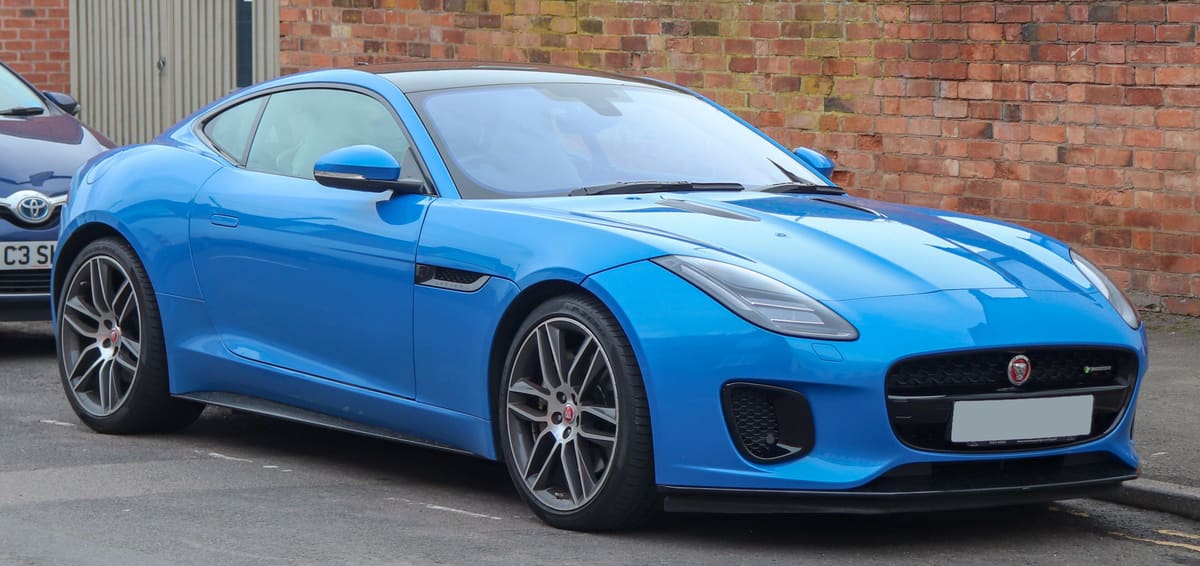
The Jaguar F-Type is a stunning sports car, but like any vehicle, it can experience issues. Common problems include electrical faults, engine concerns, and suspension wear. Fortunately, many of these issues have practical fixes that can enhance the ownership experience and maintain the car’s performance.
Electrical Problems
Electrical issues are among the most frequently reported problems by F-Type owners. These can range from minor glitches with the infotainment system to more serious concerns with the battery and wiring.
To address infotainment glitches, a software update may be required. Jaguar often releases updates to improve system performance and fix bugs. Owners should check with their local dealership for the latest software version. For battery issues, it is advisable to ensure that the battery is regularly tested and replaced as needed, especially if the vehicle is not driven frequently. A weak battery can lead to various electrical faults, including starting problems.
Additionally, inspecting the wiring harness for any signs of wear or damage can prevent more significant issues down the line. Ensuring all connections are secure and free from corrosion can also help maintain the electrical system’s integrity.
Engine Concerns
Some F-Type owners have reported engine-related issues, particularly with the supercharged V6 and V8 engines. Common complaints include rough idling, loss of power, and unusual noises.
Regular maintenance is crucial for preventing engine problems. This includes timely oil changes, air filter replacements, and spark plug inspections. Using high-quality engine oil that meets Jaguar’s specifications can significantly improve engine performance and longevity. If rough idling occurs, it may be worthwhile to have the fuel injectors cleaned, as clogged injectors can lead to poor engine performance.
For any unusual noises, it is essential to investigate promptly. These sounds can indicate issues with components such as the timing chain or exhaust system. Addressing these concerns early can prevent more severe damage and costly repairs.
Suspension Wear
The F-Type’s suspension system is designed for performance, but it can experience wear over time, particularly if the vehicle is driven aggressively or on poor road surfaces. Common symptoms of suspension issues include a rough ride, uneven tyre wear, and knocking noises when driving over bumps.
Regularly inspecting the suspension components, including shocks, struts, and bushings, can help identify wear before it becomes a significant issue. If any components show signs of damage or excessive wear, replacing them promptly can restore ride quality and handling.
Additionally, ensuring that the vehicle is aligned correctly can prevent uneven tyre wear and prolong the life of the suspension components. A professional alignment service can help maintain optimal handling and comfort.
Brake System Issues
Braking performance is critical for any sports car, and the F-Type is no exception. Owners have reported issues such as squeaking brakes, reduced braking efficiency, and warning lights on the dashboard.
To maintain optimal braking performance, regular inspections of the brake pads and discs are essential. Worn brake pads should be replaced immediately to avoid damaging the discs. Additionally, ensuring that the brake fluid is at the correct level and is replaced according to the manufacturer’s recommendations can help maintain braking efficiency.
If squeaking occurs, it may be due to dust or debris on the brake components. Cleaning the brakes can often resolve this issue. However, if the problem persists, it may indicate that the pads are worn or that there is an issue with the brake calipers.
Cooling System Problems
The cooling system is vital for preventing engine overheating, and F-Type owners have reported issues such as coolant leaks and radiator failures. These problems can lead to severe engine damage if not addressed promptly.
Regularly checking the coolant level and inspecting for leaks can help catch issues early. If a leak is suspected, it is essential to locate the source and repair it to prevent further damage. The radiator should also be inspected for any signs of corrosion or blockages that could impede cooling performance.
Flushing the cooling system periodically and replacing the coolant can help maintain its efficiency. Using the correct type of coolant as specified by Jaguar is crucial for optimal performance.
Tyre and Wheel Issues
Tyres are critical for the performance and safety of the F-Type. Common issues reported by owners include uneven wear, sidewall damage, and loss of pressure.
Regularly checking tyre pressure and tread depth is essential for maintaining performance and safety. Under-inflated tyres can lead to poor handling and increased fuel consumption, while over-inflated tyres can cause a harsh ride and increased wear.
If uneven wear is noticed, it may indicate alignment issues or problems with the suspension. Rotating the tyres regularly can help promote even wear and extend their lifespan. Additionally, inspecting the wheels for damage and ensuring they are balanced correctly can enhance driving performance and comfort.
By addressing these common issues with practical fixes, Jaguar F-Type owners can enjoy their vehicles to the fullest while minimising the risk of more significant problems. Regular maintenance and prompt attention to any concerns can help keep the F-Type performing at its best.
Jaguar F-Type recall record
16 recalls have been issued for the Jaguar F-Type, between 2014 and 2025.
Security Guidance
R/2025/488Issued 2 December 2025
Jaguar Land Rover in conjunction with law enforcement and insurance bodies is aware of the increase in thefts of vehicles in specific geographical locations within the United Kingdom. There is no fault with Jaguar Land Rover's security systems and they continue to meet stringent automotive legislation. Jaguar Land Rover is offering owners guidance on how to maximise vehicle security and protect against theft
Remedy:Vehicle registered keepers will be sent a security guidance letter only - there is no repair action.
Affects cars built Aug 2012 to May 2024
A DAMAGED FRONT SEAT BELT PRE TENSIONER TUBE MAY HAVE BEEN INSTALLED ON THE SEAT BELT RETRACTOR
R/2022/223Issued 19 August 2022
Damaged front seat belt pretensioner tube may have been installed on the seat belt retractor.
Remedy:Inspect the seat belt pretensioner tube for damage and if damage is identified the seat belt retractor will be replaced.
Affects cars built Jan 2022 to Mar 2022
THE PASSENGER AIRBAG DEPLOYMENT DOOR INTEGRATED IN THE INSTRUMENT PANEL FACIA CONTAINS AN ADDITIONAL MESH LAYER
R/2021/248Issued 16 July 2021
The passenger airbag deployment door integrated in the instrument panel facia contains an additional mesh layer.
Remedy:Replace the affected instrument panel facia with a part manufactured to the correct specification.
Affects cars built Jul 2018 to Sept 2018
AN INCORRECT FRONT BUMPER REINFORCEMENT PANEL HAS BEEN FITTED
R/2021/026Issued 5 February 2021
An incorrect front bumper reinforcement panel has been fitted at the manufacturing plant.
Remedy:Replace the necessary component with a modified part.
Affects cars built Jan 2020 to Jan 2020
12 older recalls not shown.
A recall applies to a build range, not to every car of this model. Check a registration to see whether one specific vehicle has an outstanding recall.
Jaguar F-Type MOT record
From 15,330 recorded MOT tests, 7.4% failed.
| Registered | Tests | Failed | Median mileage |
|---|---|---|---|
| 2022 | 873 | 7.1% | 13,635 mi |
| 2021 | 1,050 | 6.8% | 18,580 mi |
| 2020 | 922 | 8.6% | 20,560 mi |
| 2019 | 1,593 | 6.4% | 25,097 mi |
| 2018 | 1,792 | 8.3% | 28,840 mi |
| 2017 | 2,035 | 6.3% | 33,698 mi |
| 2016 | 2,009 | 5.7% | 34,438 mi |
| 2015 | 1,915 | 6.4% | 39,688 mi |
Most common reasons for failure
- Tyre tread depth not in accordance with the requirements43.3%
- A tyre seriously damaged25.2%
- a brake lining or pad worn below 1.5mm14.1%
- Wiper blade missing or obviously not clearing the windscreen10.1%
- Brake disc or drum excessively weakened, insecure or fractured7.3%
Figures cover every Jaguar F-Type tested in the DVSA dataset, not this specific car. Check a registration for the actual history of one vehicle.
Frequently asked questions
What common issues should I look for in a Jaguar F-Type?
Common issues include electrical faults, problems with the infotainment system, and potential leaks in the cooling system. It's important to check the service history for any previous repairs.
How can I tell if the brakes need replacing on a Jaguar F-Type?
Listen for any unusual noises when braking, such as squeaking or grinding. Additionally, if the brake pedal feels spongy or requires more pressure, it may be time for a replacement.
Are there any known engine problems with the Jaguar F-Type?
Some owners have reported issues with the supercharger and oil leaks. Regular maintenance and checks can help identify these problems early.
What should I do if the infotainment system is not working?
First, try restarting the system by turning off the engine and restarting it. If the problem persists, it may require a software update or professional diagnosis.
How can I check for bodywork damage on a used Jaguar F-Type?
Inspect the car for any signs of rust, dents, or mismatched paint. A thorough check of the undercarriage can also reveal hidden damage.
Is it worth getting a pre-purchase inspection for a Jaguar F-Type?
Yes, a pre-purchase inspection can uncover hidden issues that may not be apparent during a test drive. It can save you money on future repairs.
What are the typical costs for servicing a Jaguar F-Type?
Servicing costs can vary based on the type of service and the garage you choose. It's advisable to get quotes from several garages to compare prices.
How can I find reliable Jaguar F-Type parts for repairs?
Look for authorised Jaguar dealerships or reputable online retailers that specialise in Jaguar parts. Ensure that any parts you purchase are genuine to maintain the vehicle's performance.
Sources
- DVSA anonymised MOT tests and results (Open Government Licence v3.0)
- DVSA vehicle safety recalls (Open Government Licence v3.0)