MOT failure rates
Jaguar F-Type MOT failure rates: what to expect
What fails on a Jaguar F-Type at MOT, how often, and what each fix typically costs.
Updated 4th September 2026 DVSA data: Across 15,330 recorded MOT tests, 7.4% failed.
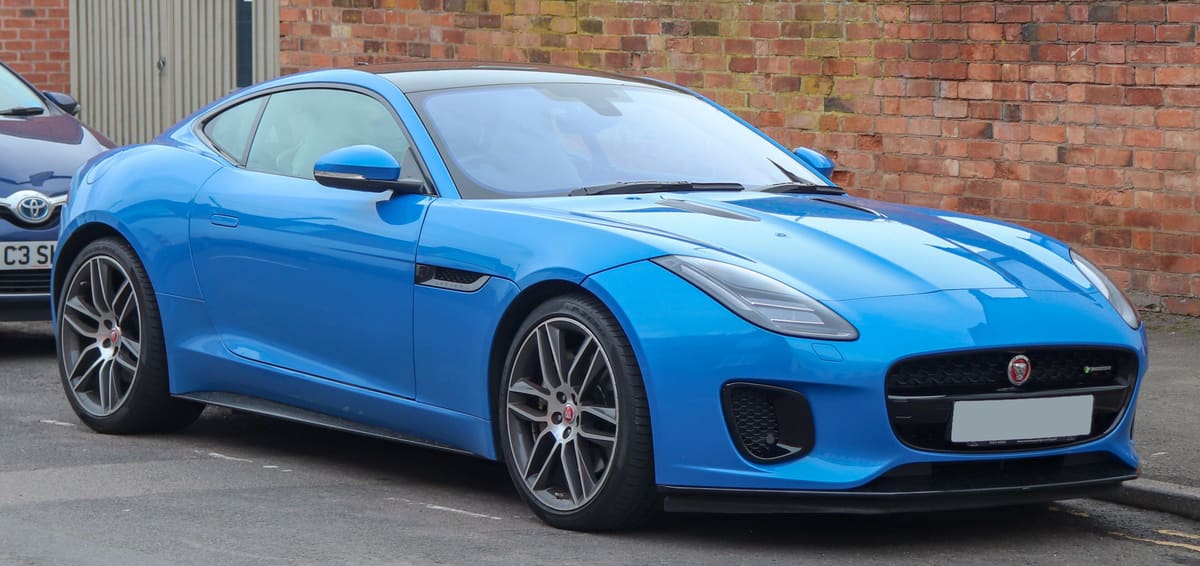
The Jaguar F-Type is a stunning sports car, but like any vehicle, it can encounter issues during its MOT. Common failures include problems with lights, brakes, and suspension components. Addressing these issues can vary in cost, but understanding them can help you prepare for maintenance and repairs.
Lights and Electrical Failures
One of the most frequent reasons for MOT failures on the Jaguar F-Type is issues with lights and electrical systems. This can include faulty headlights, brake lights, or indicators.
Regularly checking all lights and ensuring they function correctly can prevent these failures. In addition, ensuring that the battery and alternator are in good condition can help avoid electrical issues. If you notice dimming lights or flickering indicators, it may be wise to have the electrical system inspected.
Brake System Problems
Brakes are crucial for safety, and any issues can lead to an MOT failure. Common problems with the Jaguar F-Type include worn brake pads, damaged discs, and fluid leaks.
To maintain your brakes, it is advisable to have them checked regularly, especially if you notice any unusual noises or a decrease in braking performance. Keeping an eye on brake fluid levels and ensuring there are no leaks can also help prevent costly repairs.
Suspension and Steering Issues
The suspension and steering systems on the Jaguar F-Type can also lead to MOT failures. Common issues include worn shock absorbers, broken springs, and steering rack problems.
To avoid suspension problems, it is essential to monitor the vehicle’s handling. If you notice excessive bouncing, uneven tyre wear, or a pulling sensation while driving, it may indicate suspension or steering issues that require immediate attention. Regular inspections can help catch these problems early.
Tyre Condition and Tread Depth
Tyres are a critical component of vehicle safety, and the Jaguar F-Type is no exception. MOT failures often occur due to insufficient tread depth or damage to the tyres. The legal minimum tread depth is 1.6mm, but it is advisable to replace tyres when they reach 3mm for optimal performance.
To maintain tyre health, regularly check the tread depth and inspect for any visible damage, such as cuts or bulges. Rotating your tyres and ensuring they are properly inflated can also extend their lifespan and improve safety.
Exhaust and Emissions Issues
The exhaust system and emissions controls are vital for compliance with environmental regulations. Common failures on the Jaguar F-Type include exhaust leaks, damaged catalytic converters, and issues with the oxygen sensors.
To keep your exhaust system in good condition, pay attention to any unusual noises or smells while driving. Regular servicing can help identify potential issues before they lead to an MOT failure. Additionally, ensuring that the engine is running efficiently can reduce emissions and prolong the life of the exhaust components.
Bodywork and Structural Integrity
While not as common as mechanical failures, issues with bodywork and structural integrity can also lead to MOT failures. Rust, corrosion, and damage to the chassis or subframe can be problematic.
To prevent bodywork issues, regularly wash and wax your F-Type to protect the paint and prevent rust. Inspecting the undercarriage for signs of corrosion and addressing any paint chips or scratches promptly can help maintain the vehicle’s structural integrity.
Understanding these common MOT failures can help Jaguar F-Type owners prepare for potential repairs. Regular maintenance and inspections can significantly reduce the likelihood of encountering these issues, ensuring your vehicle remains in excellent condition and passes its MOT with ease.
Jaguar F-Type recall record
16 recalls have been issued for the Jaguar F-Type, between 2014 and 2025.
Security Guidance
R/2025/488Issued 2 December 2025
Jaguar Land Rover in conjunction with law enforcement and insurance bodies is aware of the increase in thefts of vehicles in specific geographical locations within the United Kingdom. There is no fault with Jaguar Land Rover's security systems and they continue to meet stringent automotive legislation. Jaguar Land Rover is offering owners guidance on how to maximise vehicle security and protect against theft
Remedy:Vehicle registered keepers will be sent a security guidance letter only - there is no repair action.
Affects cars built Aug 2012 to May 2024
A DAMAGED FRONT SEAT BELT PRE TENSIONER TUBE MAY HAVE BEEN INSTALLED ON THE SEAT BELT RETRACTOR
R/2022/223Issued 19 August 2022
Damaged front seat belt pretensioner tube may have been installed on the seat belt retractor.
Remedy:Inspect the seat belt pretensioner tube for damage and if damage is identified the seat belt retractor will be replaced.
Affects cars built Jan 2022 to Mar 2022
THE PASSENGER AIRBAG DEPLOYMENT DOOR INTEGRATED IN THE INSTRUMENT PANEL FACIA CONTAINS AN ADDITIONAL MESH LAYER
R/2021/248Issued 16 July 2021
The passenger airbag deployment door integrated in the instrument panel facia contains an additional mesh layer.
Remedy:Replace the affected instrument panel facia with a part manufactured to the correct specification.
Affects cars built Jul 2018 to Sept 2018
AN INCORRECT FRONT BUMPER REINFORCEMENT PANEL HAS BEEN FITTED
R/2021/026Issued 5 February 2021
An incorrect front bumper reinforcement panel has been fitted at the manufacturing plant.
Remedy:Replace the necessary component with a modified part.
Affects cars built Jan 2020 to Jan 2020
12 older recalls not shown.
A recall applies to a build range, not to every car of this model. Check a registration to see whether one specific vehicle has an outstanding recall.
Jaguar F-Type MOT record
From 15,330 recorded MOT tests, 7.4% failed.
| Registered | Tests | Failed | Median mileage |
|---|---|---|---|
| 2022 | 873 | 7.1% | 13,635 mi |
| 2021 | 1,050 | 6.8% | 18,580 mi |
| 2020 | 922 | 8.6% | 20,560 mi |
| 2019 | 1,593 | 6.4% | 25,097 mi |
| 2018 | 1,792 | 8.3% | 28,840 mi |
| 2017 | 2,035 | 6.3% | 33,698 mi |
| 2016 | 2,009 | 5.7% | 34,438 mi |
| 2015 | 1,915 | 6.4% | 39,688 mi |
Most common reasons for failure
- Tyre tread depth not in accordance with the requirements43.3%
- A tyre seriously damaged25.2%
- a brake lining or pad worn below 1.5mm14.1%
- Wiper blade missing or obviously not clearing the windscreen10.1%
- Brake disc or drum excessively weakened, insecure or fractured7.3%
Figures cover every Jaguar F-Type tested in the DVSA dataset, not this specific car. Check a registration for the actual history of one vehicle.
Frequently asked questions
What is the Jaguar F-Type MOT requirement?
In the UK, the Jaguar F-Type requires an MOT test once it is three years old. This annual test checks the vehicle's safety, roadworthiness, and emissions.
How can I check the MOT status of a Jaguar F-Type?
You can check the MOT status of a Jaguar F-Type by visiting the official UK government website. You will need the vehicle's registration number to access the information.
What common issues might cause an MOT failure for a Jaguar F-Type?
Common issues that could lead to an MOT failure for a Jaguar F-Type include worn tyres, faulty lights, and issues with the brakes or exhaust system. Regular maintenance can help prevent these problems.
Can I drive my Jaguar F-Type if the MOT has expired?
No, you cannot legally drive your Jaguar F-Type if the MOT has expired, unless you are driving it to a pre-booked MOT appointment. Doing so can result in fines and penalties.
What should I do if my Jaguar F-Type fails its MOT?
If your Jaguar F-Type fails its MOT, you will receive a list of issues that need to be addressed. You will need to have the necessary repairs completed before you can retest the vehicle.
How can I prepare my Jaguar F-Type for its MOT?
To prepare your Jaguar F-Type for its MOT, check the lights, tyres, and fluid levels. It is also a good idea to have a qualified mechanic inspect the vehicle for any potential issues beforehand.
Sources
- DVSA anonymised MOT tests and results (Open Government Licence v3.0)
- DVSA vehicle safety recalls (Open Government Licence v3.0)