Common problems
Jeep Wrangler common problems and reliability issues
Honest rundown of the most common Jeep Wrangler faults, what to watch for, and how to keep one running well.
Updated 23rd June 2026 DVSA data: Across 5,048 recorded MOT tests, 17.1% failed.
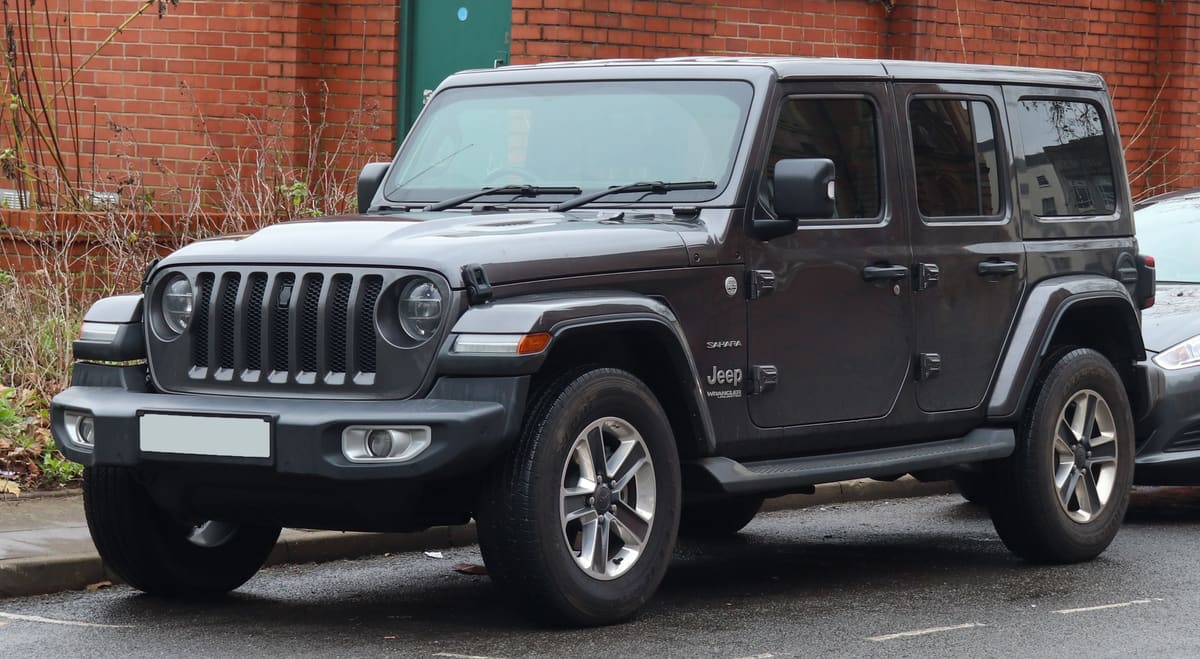
The Jeep Wrangler is a popular off-road vehicle, but it is not without its issues. Common problems include electrical system faults, transmission issues, suspension concerns, and engine troubles.
Electrical System Issues
Electrical problems are frequently reported by Jeep Wrangler owners. Common complaints include malfunctioning dashboard lights, issues with the power windows, and problems with the central locking system. These electrical faults can sometimes be traced back to poor wiring connections or faulty switches.
Owners may also experience issues with the battery, particularly in older models. Corrosion on battery terminals can lead to starting problems, while the alternator may fail to charge the battery properly. Regular checks on the electrical system can help mitigate these problems.
Transmission Problems
Transmission issues are another area of concern for Jeep Wrangler owners. Some drivers report rough shifting, slipping gears, or even complete transmission failure. These problems can stem from low transmission fluid levels, which can be caused by leaks or poor maintenance.
In some cases, the automatic transmission may exhibit erratic behaviour, particularly in older models. Regular fluid changes and inspections can help prolong the life of the transmission and prevent costly repairs. It is advisable to pay attention to any unusual noises or changes in shifting patterns.
Suspension and Steering Concerns
The suspension and steering systems of the Jeep Wrangler are designed for off-road performance, but they can also be prone to wear and tear. Common issues include worn-out bushings, ball joints, and shocks, which can lead to a rough ride and decreased handling capabilities.
Drivers may notice excessive play in the steering wheel or difficulty in maintaining a straight line. Regular inspections of the suspension components can help identify problems early. Upgrading to heavy-duty parts can also improve durability, especially for those who frequently drive off-road.
Engine Troubles
Engine problems in the Jeep Wrangler can vary widely, but some common issues include overheating, oil leaks, and excessive oil consumption. Overheating can be caused by a failing thermostat, a blocked radiator, or a malfunctioning water pump, all of which require prompt attention.
Oil leaks are often attributed to worn gaskets or seals, which can lead to significant engine damage if not addressed. Regular oil changes and inspections can help prevent these issues. Additionally, some owners report problems with the engine stalling or misfiring, which may require diagnostic testing to pinpoint the exact cause.
Brake System Failures
The brake system in the Jeep Wrangler is critical for safety, yet it can experience various issues. Common problems include squeaking or grinding noises, a spongy brake pedal, or a warning light on the dashboard. These symptoms may indicate worn brake pads, damaged rotors, or issues with the brake fluid.
Regular maintenance is essential to ensure the brake system remains in good working order. Replacing worn components promptly can prevent more severe problems down the line. It is also advisable to check the brake lines for leaks, as this can lead to a loss of braking power.
Fuel System Issues
Fuel system problems can affect the performance and reliability of the Jeep Wrangler. Common complaints include poor fuel economy, difficulty starting, and stalling. These issues may stem from a clogged fuel filter, a failing fuel pump, or dirty fuel injectors.
Regularly replacing the fuel filter and using high-quality fuel can help maintain the health of the fuel system. If starting issues persist, it may be necessary to inspect the fuel pump and injectors for proper operation. Addressing fuel system problems early can help avoid more extensive repairs in the future.
Jeep Wrangler recall record
33 recalls have been issued for the Jeep Wrangler, between 1995 and 2026.
Passenger airbag inflator
R/2026/130Issued 20 March 2026
In the event that the airbag is activated excessive internal pressure may cause the inflator body to rupture and metal fragments may pass through the cushion material causing injury to the vehicle occupants and / or in worst cases a fatality. The concern is caused by moisture in the air getting past faulty seals and being absorbed by the pyrotechnic biscuits in the inflator. As a result it is more likely to occur sooner in areas of high humidity and high temperature difference.
Remedy:Recall the vehicles that are likely to be affected and replace the passenger front air bag module which includes the inflator.
Affects cars built May 2008 to Jul 2012
Passenger airbag inflator
R/2026/135Issued 20 March 2026
Passenger air bag may deploy incorrectly if activated.
Remedy:Replace the passenger air bag inflator.
Affects cars built Aug 2009 to Dec 2016
2018-2022 Jeep Wrangler Check Engine Malfunction Indicator Lamp Incorrect operation and warning
R/2026/060Issued 2 March 2026
On affected vehicles the Malfunction Indicator Lamp (MIL) may not function as intended in the Instrument Panel Cluster (IPC). This condition will not affect emissions. However in the event of an emission issue that would require illumination of the MIL the driver may not be alerted due to the MIL not illuminating.
Remedy:Install updated software.
Affects cars built Aug 2017 to Jun 2022
2020-2025 Jeep Wrangler and 2022-2026 Jeep Grand Cherokee PHEV vehicles. High voltage battery.
R/2026/029Issued 16 February 2026
On affected vehicles the High Voltage (HV) battery may have been built with a battery pack which contains cells which are susceptible to separator damage which combined with other complex interactions within the cells may lead to a vehicle fire.
Remedy:Reprogram the battery pack control module with modified software and check and if necessary replace the HV Battery.
Affects cars built Jul 2020 to Dec 2024
29 older recalls not shown.
A recall applies to a build range, not to every car of this model. Check a registration to see whether one specific vehicle has an outstanding recall.
Jeep Wrangler MOT record
From 5,048 recorded MOT tests, 17.1% failed.
| Registered | Tests | Failed | Median mileage |
|---|---|---|---|
| 2022 | 359 | 8.6% | 21,329 mi |
| 2021 | 585 | 7.7% | 29,143 mi |
| 2020 | 645 | 9.6% | 33,888 mi |
| 2019 | 624 | 10.4% | 37,220 mi |
| 2018 | 391 | 17.4% | 41,038 mi |
| 2017 | 281 | 19.2% | 42,296 mi |
| 2016 | 293 | 21.2% | 50,938 mi |
| 2015 | 558 | 21.3% | 63,523 mi |
Most common reasons for failure
- A suspension pin, bush or joint excessively worn35.5%
- Brake disc or drum excessively weakened, insecure or fractured19.5%
- The aim of a headlamp is not within limits laid down in the requirements16.6%
- a brake lining or pad worn below 1.5mm15.7%
- Fluid leaking excessively and likely to harm the environment or to pose a safety risk to other road users12.9%
Figures cover every Jeep Wrangler tested in the DVSA dataset, not this specific car. Check a registration for the actual history of one vehicle.
Frequently asked questions
What are the most common issues with Jeep Wranglers?
Common issues with Jeep Wranglers include electrical problems, transmission issues, and rust, particularly in older models. Owners often report problems with the air conditioning and suspension as well.
How reliable is the Jeep Wrangler?
The Jeep Wrangler is generally considered to be a reliable vehicle, but like any car, it can have its share of problems. Regular maintenance and checks can help mitigate many common issues.
Are there any known rust problems with Jeep Wranglers?
Yes, rust can be a significant issue, especially in older models or those driven in harsh conditions. It's important to inspect the undercarriage and wheel wells for signs of corrosion.
What should I check before buying a used Jeep Wrangler?
Before buying a used Jeep Wrangler, check for signs of rust, inspect the electrical systems, and test the transmission. A thorough service history can also provide insights into any recurring issues.
Do Jeep Wranglers have issues with their engines?
Some Jeep Wranglers may experience engine problems, particularly with oil leaks and overheating. Regular servicing can help identify and prevent these issues early.
Is the Jeep Wrangler good for off-roading?
Yes, the Jeep Wrangler is renowned for its off-roading capabilities. However, it's essential to ensure that the vehicle is in good condition to handle rough terrain.
How can I prevent common problems with my Jeep Wrangler?
Regular maintenance, including oil changes and inspections, can help prevent many common problems. Keeping an eye on the vehicle's performance and addressing issues early is also crucial.
What are the signs of transmission problems in a Jeep Wrangler?
Signs of transmission problems include slipping gears, delayed shifting, and unusual noises when changing gears. If you notice these symptoms, it's advisable to have the vehicle checked by a professional.
Sources
- DVSA anonymised MOT tests and results (Open Government Licence v3.0)
- DVSA vehicle safety recalls (Open Government Licence v3.0)