Top fixes
Land Rover Range Rover Sport top fixes: how owners handle the common issues
Practical fixes for the common Land Rover Range Rover Sport faults owners run into.
Updated 4th September 2026 DVSA data: Across 112,635 recorded MOT tests, 16.9% failed.
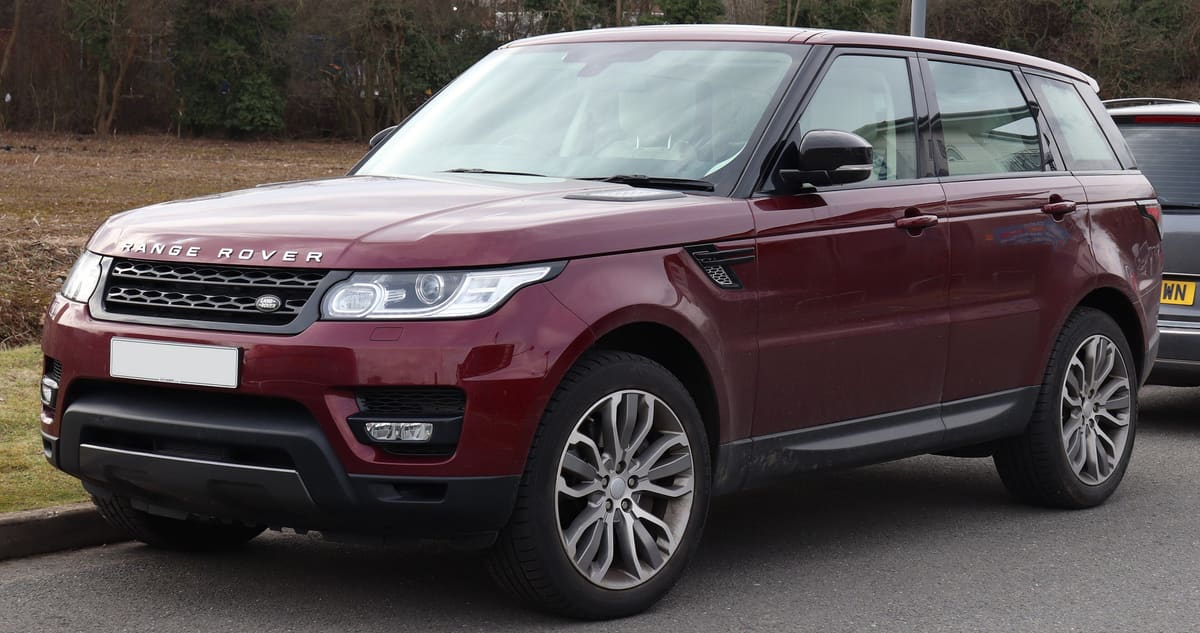
The Land Rover Range Rover Sport is a popular luxury SUV, but it does come with its share of common issues. Owners often report problems with air suspension, electrical systems, and engine performance. Fortunately, many of these issues can be resolved with practical fixes, ensuring your vehicle remains reliable and enjoyable to drive.
Air Suspension Problems
One of the most frequently reported issues with the Range Rover Sport is related to its air suspension system. Owners may experience a sagging rear end or warning lights indicating a fault. Regular maintenance, including checking for leaks and ensuring the air compressor is functioning correctly, can help prevent these problems.
If you notice your vehicle is sitting lower than usual, inspect the air springs for any signs of wear or damage. Replacing faulty air springs can restore the ride height and comfort of your vehicle. Additionally, keeping the air compressor well-maintained is crucial, as a failing compressor can lead to complete suspension failure.
Electrical System Glitches
Electrical issues can plague the Range Rover Sport, with owners reporting problems such as malfunctioning infotainment systems, faulty sensors, and erratic dashboard warning lights. These glitches can often be traced back to software updates or loose connections.
To address these issues, check for any available software updates from Land Rover. Many electrical problems can be resolved by simply updating the vehicle’s software. If the issues persist, inspect the wiring harnesses and connections for any signs of corrosion or damage, as these can lead to intermittent faults.
Engine Performance Issues
Some Range Rover Sport owners have reported engine performance problems, including rough idling, poor acceleration, and reduced fuel efficiency. These issues can stem from a variety of causes, including clogged fuel filters, faulty spark plugs, or issues with the turbocharger.
Regular maintenance is key to preventing engine performance issues. Ensure that the fuel filter is replaced according to the manufacturer’s recommendations, and check the condition of spark plugs. If turbocharger problems are suspected, a thorough inspection by a qualified technician can help identify any leaks or faults that may be affecting performance.
Transmission Concerns
Transmission issues can also arise in the Range Rover Sport, with symptoms such as slipping gears, delayed shifting, or unusual noises. These problems may be linked to low transmission fluid levels or a failing transmission control module.
To prevent transmission problems, regularly check the fluid levels and condition. If the fluid appears dark or has a burnt smell, it may need to be replaced. For more serious issues, such as slipping gears, a diagnostic scan can help pinpoint the problem, allowing for targeted repairs.
Cooling System Failures
Overheating is another common concern for Range Rover Sport owners, often caused by a failing water pump or a clogged radiator. If the engine temperature gauge rises unexpectedly, it is crucial to address the issue promptly to avoid severe engine damage.
Regularly inspect the cooling system for leaks and ensure that the coolant is topped up. If you notice any signs of a failing water pump, such as coolant leaks or unusual noises, it should be replaced immediately. Flushing the radiator periodically can also help prevent clogs and maintain optimal cooling performance.
Brake System Issues
The brake system in the Range Rover Sport can experience wear and tear, leading to issues such as squeaking brakes, reduced stopping power, or warning lights. These problems can often be attributed to worn brake pads or issues with the brake sensors.
To maintain the braking system, regularly inspect the brake pads and replace them when they show signs of wear. If you hear squeaking or grinding noises, it is essential to address the issue promptly to prevent further damage. Additionally, checking the brake fluid level and condition can help ensure the system operates effectively.
Conclusion
While the Land Rover Range Rover Sport is a luxurious and capable vehicle, it is not without its common issues. By being aware of these potential problems and implementing practical fixes, owners can keep their vehicles running smoothly and enjoy the full benefits of their investment. Regular maintenance and timely repairs are essential to ensuring the longevity and reliability of this iconic SUV.
Land Rover Range Rover Sport recall record
51 recalls have been issued for the Land Rover Range Rover Sport, between 2005 and 2026.
AJ20-D6 Idler Pulley Clash
R/2026/241Issued 26 June 2026
A concern has been identified on certain AJ20-D6 engines where the Front End Auxiliary Drive (FEAD) belt idler pulley may over-rotate following a high torsion input and lead to a clash with and damage to the oil pressure and temperature sensor. A damaged oil pressure and temperature sensor can lead to an oil leak from the engine which can result in a slip hazard for following road users particularly two-wheeled vehicles.
Remedy:Vehicles will have the Front-End Auxiliary Drive (FEAD) idler pulley replaced.
Affects cars built Jan 2024 to Jun 2024
Range Rover Range Rover Sport and Range Rover Velar Audio Amplifier Water Damage
R/2026/198Issued 27 May 2026
A concern has been identified on certain 2026 model year Range Rover Range Rover Sport and Range Rover Velar vehicles where the audio amplifiers may have been subject to water damage and may not provide any audio output including no seat belt reminder audible warnings to the driver. A seat belt reminder audible warning chime that does not alert of an unlatched seat belt can increase the risk of occupant injury in the event of a crash.
Remedy:Affected vehicles will have the audio amplifier replaced.
Affects cars built Feb 2026 to Feb 2026
Range Rover and Range Rover Sport Panoramic Roof Side Finisher Loose
R/2026/079Issued 21 May 2026
The manufacturer has identified a concern on certain Range Rover and Range Rover Sport vehicles where the adhesion process used to re-attach the panoramic roof side finishers during vehicle quality rework operations in the assembly plant may not have been sufficient. An inadequately adhered panoramic roof side finisher could over time come partially or completely loose. This could result in distraction to the driver or other road users or in the event of complete detachment harm to other road users particularly pedestrians or two-wheeled vehicles and increase the risk of injury or a crash.
Remedy:Vehicles will have the panoramic roof side finisher removed and securely attached.
Affects cars built Dec 2022 to Nov 2025
Range Rover and Range Rover Sport Plug-in Hybrid Battery Capacity
R/2026/078Issued 28 April 2026
The manufacturer has identified a concern on certain Range Rover and Range Rover Sport plug-in hybrid vehicles where due to inadequate penetration of welding between the cells the battery’s capacity and therefore the vehicle’s electric range may be depleted below the design intent condition. A below-specification electric range will not meet the as-certified value for the vehicle and is therefore non-compliant to emissions legislation.
Remedy:Vehicles will have the hybrid battery/modules replaced.
Affects cars built May 2023 to Apr 2025
47 older recalls not shown.
A recall applies to a build range, not to every car of this model. Check a registration to see whether one specific vehicle has an outstanding recall.
Land Rover Range Rover Sport MOT record
From 112,635 recorded MOT tests, 16.9% failed.
| Registered | Tests | Failed | Median mileage |
|---|---|---|---|
| 2022 | 1,568 | 8.3% | 26,166 mi |
| 2021 | 2,820 | 8.8% | 34,814 mi |
| 2020 | 6,780 | 9.7% | 43,491 mi |
| 2019 | 10,943 | 9.4% | 51,386 mi |
| 2018 | 10,573 | 11.2% | 59,676 mi |
| 2017 | 10,045 | 15.0% | 69,430 mi |
| 2016 | 10,549 | 17.5% | 77,788 mi |
| 2015 | 10,546 | 17.2% | 85,568 mi |
Most common reasons for failure
- A suspension pin, bush or joint excessively worn27.1%
- Tyre tread depth not in accordance with the requirements25.3%
- A tyre seriously damaged18.9%
- a brake lining or pad worn below 1.5mm15.3%
- Brake pipe damaged or excessively corroded13.3%
Figures cover every Land Rover Range Rover Sport tested in the DVSA dataset, not this specific car. Check a registration for the actual history of one vehicle.
Frequently asked questions
What are common issues with the Land Rover Range Rover Sport?
Common issues include electrical faults, air suspension problems, and engine performance concerns. Regular maintenance can help prevent these issues.
How can I tell if my Range Rover Sport needs repairs?
Look for warning lights on the dashboard, unusual noises, or changes in driving performance. If you notice any of these signs, it's best to have it checked by a professional.
What should I do if my Range Rover Sport has an air suspension problem?
If you suspect an air suspension issue, avoid driving the vehicle until it has been inspected. A qualified technician can diagnose and repair the problem.
Are there any recalls for the Land Rover Range Rover Sport?
Recalls are issued against individual vehicles rather than a model as a whole, so a model-level yes or no would be guesswork. Enter the registration on Honest Car Check and we check the DVSA record for that specific car. Where DVSA holds no status, confirm it with a franchised dealer using the VIN.
How often should I service my Range Rover Sport?
It is recommended to service your Range Rover Sport every 12 months or 16,000 miles, whichever comes first. Regular servicing helps maintain performance and reliability.
What are the signs of a failing engine in a Range Rover Sport?
Signs of a failing engine include excessive noise, loss of power, and warning lights on the dashboard. If you experience these symptoms, seek professional help immediately.
Can I perform basic maintenance on my Range Rover Sport myself?
While some basic maintenance tasks can be done at home, such as checking oil levels, it is advisable to leave complex repairs to professionals. This ensures safety and proper handling.
What should I do if my Range Rover Sport is under warranty?
If your vehicle is under warranty, contact your dealer for any repairs or issues. Attempting to fix problems yourself may void the warranty.
Sources
- DVSA anonymised MOT tests and results (Open Government Licence v3.0)
- DVSA vehicle safety recalls (Open Government Licence v3.0)