MOT failure rates
Land Rover Range Rover Sport MOT failure rates: what to expect
What fails on a Land Rover Range Rover Sport at MOT, how often, and what each fix typically costs.
Updated 4th September 2026 DVSA data: Across 112,635 recorded MOT tests, 16.9% failed.
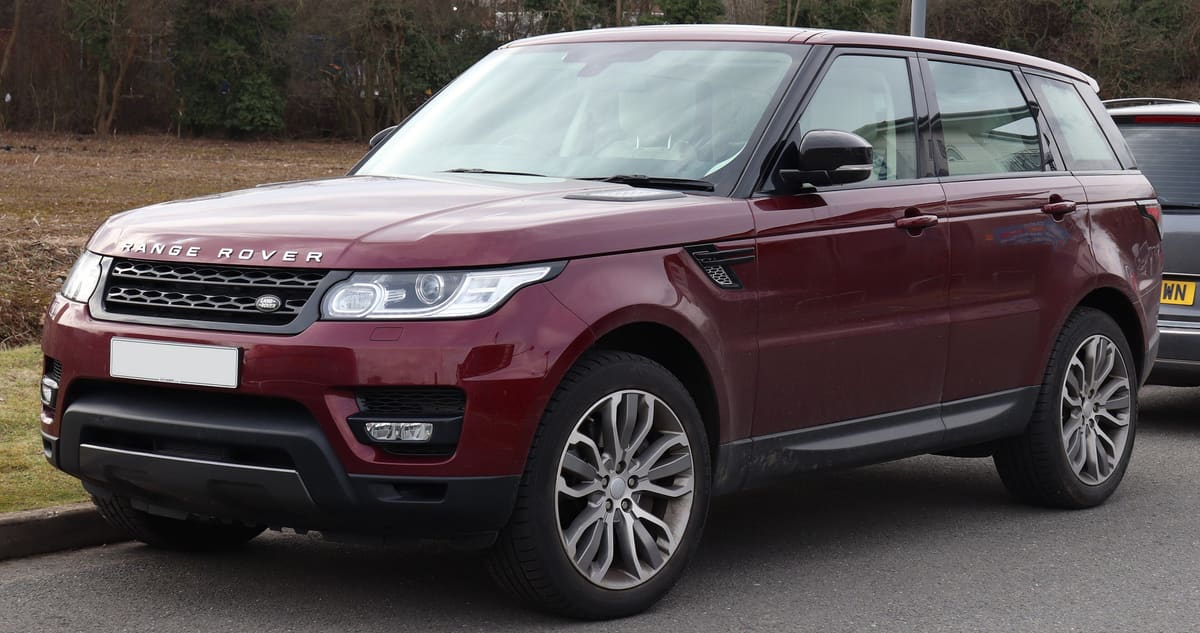
The Land Rover Range Rover Sport often faces specific issues during its MOT, with electrical faults, suspension wear, and brake problems being the most common culprits. Addressing these issues can vary in cost, but being aware of them can help owners prepare for potential repairs.
Electrical System Failures
Electrical faults are a frequent reason for MOT failures in the Range Rover Sport. Problems can arise from the battery, alternator, or wiring issues, leading to warning lights on the dashboard or failure of essential systems like lights and indicators.
Regular checks of the battery and electrical connections can help prevent these problems.
Suspension Issues
The suspension system in the Range Rover Sport is designed for both comfort and off-road capability, but it can suffer from wear and tear. Common issues include worn bushings, failed air suspension components, and leaking shock absorbers, which can all lead to a failure during the MOT.
Repairing suspension components can be costly. Regular inspections can help identify issues before they lead to an MOT failure.
Brake System Problems
Brake system failures are another common reason for MOT failures in the Range Rover Sport. Issues can include worn brake pads, damaged discs, or problems with the brake lines. Any sign of reduced braking efficiency can lead to an automatic fail.
The cost of brake repairs can vary significantly. Ensuring regular maintenance and timely replacement of brake components can help avoid MOT failures.
Tyre Condition and Tread Depth
Tyres are a critical safety component, and insufficient tread depth or damage can lead to an MOT failure. The legal minimum tread depth in the UK is 1.6mm, but for optimal safety, maintaining a depth of at least 3mm is advisable.
Regular checks of tyre condition and tread depth can help ensure compliance and safety on the road.
Exhaust Emissions
Emissions testing is a crucial part of the MOT process, and the Range Rover Sport can sometimes struggle to meet the required standards. Issues with the exhaust system, including a faulty catalytic converter or exhaust leaks, can lead to increased emissions and a failed MOT.
Fixing emissions-related issues can be costly. Regular servicing and checks can help keep emissions in check and avoid MOT complications.
Bodywork and Structural Integrity
While not as common as mechanical failures, issues with bodywork and structural integrity can lead to an MOT failure. Rust, corrosion, or damage to critical structural components can compromise safety and lead to a failed inspection.
Repair costs for bodywork can vary widely based on the extent of the damage. Regular inspections and prompt repairs can help maintain the vehicle’s integrity and ensure it passes the MOT.
By being aware of these common issues and their associated costs, Range Rover Sport owners can take proactive steps to ensure their vehicles remain roadworthy and pass their MOTs with ease. Regular maintenance and timely repairs can save money in the long run and enhance the driving experience.
Land Rover Range Rover Sport recall record
51 recalls have been issued for the Land Rover Range Rover Sport, between 2005 and 2026.
AJ20-D6 Idler Pulley Clash
R/2026/241Issued 26 June 2026
A concern has been identified on certain AJ20-D6 engines where the Front End Auxiliary Drive (FEAD) belt idler pulley may over-rotate following a high torsion input and lead to a clash with and damage to the oil pressure and temperature sensor. A damaged oil pressure and temperature sensor can lead to an oil leak from the engine which can result in a slip hazard for following road users particularly two-wheeled vehicles.
Remedy:Vehicles will have the Front-End Auxiliary Drive (FEAD) idler pulley replaced.
Affects cars built Jan 2024 to Jun 2024
Range Rover Range Rover Sport and Range Rover Velar Audio Amplifier Water Damage
R/2026/198Issued 27 May 2026
A concern has been identified on certain 2026 model year Range Rover Range Rover Sport and Range Rover Velar vehicles where the audio amplifiers may have been subject to water damage and may not provide any audio output including no seat belt reminder audible warnings to the driver. A seat belt reminder audible warning chime that does not alert of an unlatched seat belt can increase the risk of occupant injury in the event of a crash.
Remedy:Affected vehicles will have the audio amplifier replaced.
Affects cars built Feb 2026 to Feb 2026
Range Rover and Range Rover Sport Panoramic Roof Side Finisher Loose
R/2026/079Issued 21 May 2026
The manufacturer has identified a concern on certain Range Rover and Range Rover Sport vehicles where the adhesion process used to re-attach the panoramic roof side finishers during vehicle quality rework operations in the assembly plant may not have been sufficient. An inadequately adhered panoramic roof side finisher could over time come partially or completely loose. This could result in distraction to the driver or other road users or in the event of complete detachment harm to other road users particularly pedestrians or two-wheeled vehicles and increase the risk of injury or a crash.
Remedy:Vehicles will have the panoramic roof side finisher removed and securely attached.
Affects cars built Dec 2022 to Nov 2025
Range Rover and Range Rover Sport Plug-in Hybrid Battery Capacity
R/2026/078Issued 28 April 2026
The manufacturer has identified a concern on certain Range Rover and Range Rover Sport plug-in hybrid vehicles where due to inadequate penetration of welding between the cells the battery’s capacity and therefore the vehicle’s electric range may be depleted below the design intent condition. A below-specification electric range will not meet the as-certified value for the vehicle and is therefore non-compliant to emissions legislation.
Remedy:Vehicles will have the hybrid battery/modules replaced.
Affects cars built May 2023 to Apr 2025
47 older recalls not shown.
A recall applies to a build range, not to every car of this model. Check a registration to see whether one specific vehicle has an outstanding recall.
Land Rover Range Rover Sport MOT record
From 112,635 recorded MOT tests, 16.9% failed.
| Registered | Tests | Failed | Median mileage |
|---|---|---|---|
| 2022 | 1,568 | 8.3% | 26,166 mi |
| 2021 | 2,820 | 8.8% | 34,814 mi |
| 2020 | 6,780 | 9.7% | 43,491 mi |
| 2019 | 10,943 | 9.4% | 51,386 mi |
| 2018 | 10,573 | 11.2% | 59,676 mi |
| 2017 | 10,045 | 15.0% | 69,430 mi |
| 2016 | 10,549 | 17.5% | 77,788 mi |
| 2015 | 10,546 | 17.2% | 85,568 mi |
Most common reasons for failure
- A suspension pin, bush or joint excessively worn27.1%
- Tyre tread depth not in accordance with the requirements25.3%
- A tyre seriously damaged18.9%
- a brake lining or pad worn below 1.5mm15.3%
- Brake pipe damaged or excessively corroded13.3%
Figures cover every Land Rover Range Rover Sport tested in the DVSA dataset, not this specific car. Check a registration for the actual history of one vehicle.
Frequently asked questions
What is the MOT requirement for a Land Rover Range Rover Sport?
In the UK, a Land Rover Range Rover Sport must have its first MOT test three years after its registration date. After that, it needs to be tested annually.
How can I check the MOT status of a Land Rover Range Rover Sport?
You can check the MOT status by visiting the official UK government website. You will need the vehicle's registration number to access the information.
What common issues might affect the MOT of a Range Rover Sport?
Common issues include worn brakes, faulty lights, and emissions problems. Regular maintenance can help prevent these issues from affecting the MOT.
What should I do if my Range Rover Sport fails its MOT?
If your vehicle fails its MOT, you will receive a list of issues that need to be addressed. You can then have the necessary repairs done and retest the vehicle.
Can I drive my Range Rover Sport if it has an expired MOT?
No, you cannot legally drive a vehicle with an expired MOT unless you are taking it to a pre-booked MOT appointment. Doing so can result in fines.
How can I prepare my Range Rover Sport for its MOT?
To prepare, check the lights, brakes, and tyres, and ensure all fluids are topped up. A thorough inspection before the test can help identify any potential issues.
Is it possible to get a same-day MOT for my Range Rover Sport?
Many garages offer same-day MOT services, but it is advisable to book in advance. Availability may vary depending on the garage and demand.
Sources
- DVSA anonymised MOT tests and results (Open Government Licence v3.0)
- DVSA vehicle safety recalls (Open Government Licence v3.0)