Top fixes
Land Rover Range Rover top fixes: how owners handle the common issues
Practical fixes for the common Land Rover Range Rover faults owners run into.
Updated 23rd June 2026 DVSA data: Across 86,405 recorded MOT tests, 17.9% failed.
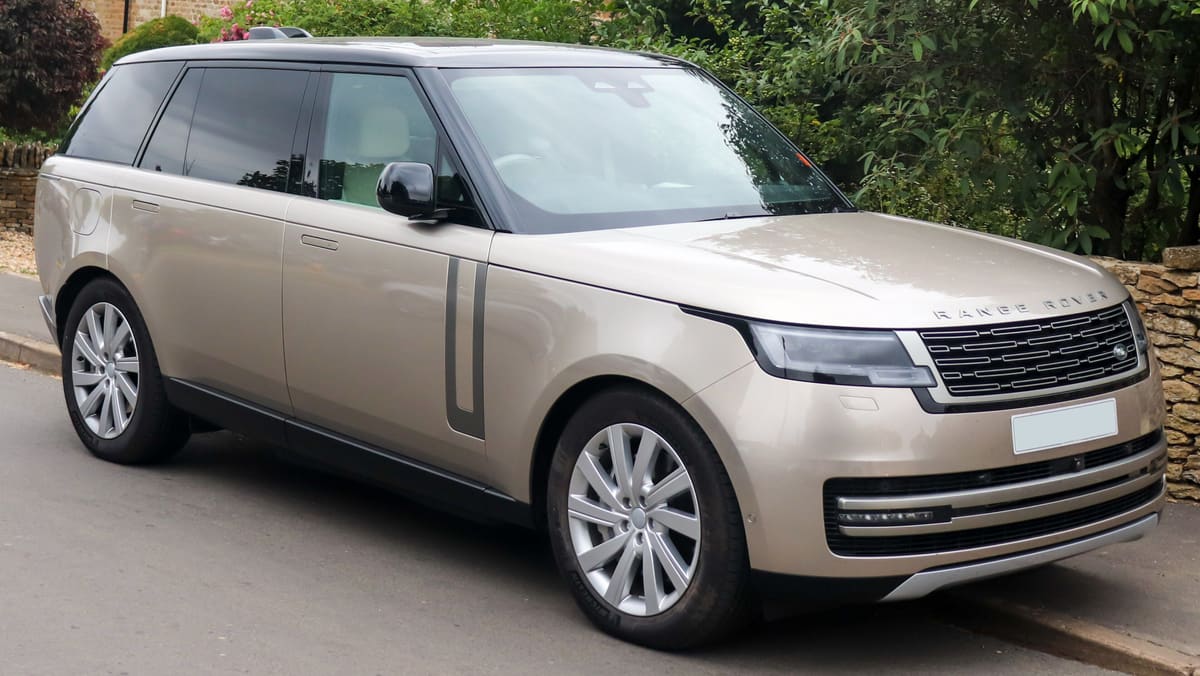
The Land Rover Range Rover is a luxurious and capable vehicle, but like any car, it can experience issues. Common problems include air suspension failures, electrical gremlins, and oil leaks. Fortunately, many of these issues have practical fixes that can restore your Range Rover to its former glory.
Air Suspension Problems
One of the most frequently reported issues with the Range Rover is air suspension failure. Owners often experience a sagging rear end or a warning light on the dashboard. The first step in addressing this issue is to check for leaks in the air springs or compressor.
If you find a leak, replacing the faulty air spring or compressor can resolve the issue. Regular maintenance, including checking the air suspension system during service intervals, can help prevent future problems. Additionally, consider upgrading to a more robust aftermarket air suspension system if you frequently drive off-road.
Electrical Issues
Electrical problems can manifest in various ways, from malfunctioning windows to erratic dashboard displays. These issues can often be traced back to faulty wiring or poor connections. Begin by inspecting the fuses and relays related to the affected systems.
If you discover a blown fuse, replacing it may solve the issue. For more complex electrical problems, using a diagnostic tool can help pinpoint the exact fault. Regularly cleaning electrical connections can also prevent corrosion, which is a common cause of electrical failures in older models.
Oil Leaks
Oil leaks are another common concern for Range Rover owners, particularly in older models. These leaks can originate from various sources, including the oil filter, sump gasket, or valve cover gasket. To identify the source of the leak, start by cleaning the engine bay and monitoring for fresh oil spots.
Once you locate the leak, replacing the faulty gasket or seal is usually the best course of action. Regular oil changes and inspections can help catch potential issues before they escalate. Using high-quality oil and filters can also reduce the likelihood of leaks occurring.
Transmission Issues
Some Range Rover owners report transmission problems, such as rough shifting or slipping gears. These issues can often be attributed to low transmission fluid levels or a dirty filter. Start by checking the transmission fluid level and condition; it should be a bright red colour and free of debris.
If the fluid appears dark or burnt, a transmission fluid change may be necessary. Additionally, consider replacing the transmission filter to ensure proper fluid flow. If problems persist, it may be worth consulting a specialist, as transmission repairs can be complex and costly.
Cooling System Failures
Overheating can be a significant issue for the Range Rover, often caused by a malfunctioning thermostat or a leak in the cooling system. Regularly checking the coolant level and inspecting hoses for signs of wear can help prevent overheating.
If you notice the temperature gauge rising, it is crucial to stop the vehicle and allow it to cool down. Replacing a faulty thermostat or a leaking hose can often resolve cooling issues. Consider flushing the cooling system every few years to remove any built-up debris and ensure optimal performance.
Brake System Concerns
Brake issues, such as squeaking or grinding noises, are commonly reported by Range Rover owners. These sounds can indicate worn brake pads or discs. Regularly inspecting the brake system is essential for maintaining safety and performance.
If you notice any unusual sounds, it is advisable to have the brakes checked as soon as possible. Replacing worn pads and resurfacing or replacing discs can restore braking performance. Additionally, ensuring that brake fluid is at the correct level and in good condition is vital for optimal braking function.
By addressing these common issues proactively, Range Rover owners can enjoy a smoother and more reliable driving experience. Regular maintenance and timely repairs can go a long way in preserving the luxury and capability that the Range Rover is known for.
Land Rover Range Rover recall record
67 recalls have been issued for the Land Rover Range Rover, between 1993 and 2026.
Range Rover (L405) Front Suspension Knuckle Crack – Incorrect Repair
R/2026/329Issued 25 August 2026
For affected vehicles the repair procedure for a prior safety recall was incorrect. As a result the front suspension knuckles have been replaced with those of an incorrect specification.
Remedy:Vehicles will have both front suspension knuckles replaced.
Affects cars built Nov 2015 to Jul 2017
AJ20-D6 Idler Pulley Clash
R/2026/241Issued 26 June 2026
A concern has been identified on certain AJ20-D6 engines where the Front End Auxiliary Drive (FEAD) belt idler pulley may over-rotate following a high torsion input and lead to a clash with and damage to the oil pressure and temperature sensor. A damaged oil pressure and temperature sensor can lead to an oil leak from the engine which can result in a slip hazard for following road users particularly two-wheeled vehicles.
Remedy:Vehicles will have the Front-End Auxiliary Drive (FEAD) idler pulley replaced.
Affects cars built Jan 2024 to Dec 2024
Driver’s Airbag Potential Non-Deployment
R/2026/245Issued 19 June 2026
A concern has been identified where the connector to the driver’s airbag at the clockspring may experience fretting corrosion over time. This can lead to an increased resistance in the driver’s airbag circuit potentially resulting in the airbag failing to deploy when requested to do so. An airbag which fails to deploy as-intended will increase the risk of injury in the event of a crash.
Remedy:Vehicles will have a protective lubricant gel applied to the driver’s airbag connector terminals.
Affects cars built Sept 2020 to Jun 2026
Range Rover Range Rover Sport and Range Rover Velar Audio Amplifier Water Damage
R/2026/198Issued 27 May 2026
A concern has been identified on certain 2026 model year Range Rover Range Rover Sport and Range Rover Velar vehicles where the audio amplifiers may have been subject to water damage and may not provide any audio output including no seat belt reminder audible warnings to the driver. A seat belt reminder audible warning chime that does not alert of an unlatched seat belt can increase the risk of occupant injury in the event of a crash.
Remedy:Affected vehicles will have the audio amplifier replaced.
Affects cars built Feb 2026 to Feb 2026
63 older recalls not shown.
A recall applies to a build range, not to every car of this model. Check a registration to see whether one specific vehicle has an outstanding recall.
Land Rover Range Rover MOT record
From 86,405 recorded MOT tests, 17.9% failed.
| Registered | Tests | Failed | Median mileage |
|---|---|---|---|
| 2023 | 394 | 5.6% | 25,684 mi |
| 2022 | 4,725 | 8.7% | 27,816 mi |
| 2021 | 3,136 | 8.6% | 37,552 mi |
| 2020 | 3,469 | 9.2% | 44,822 mi |
| 2019 | 4,681 | 10.2% | 53,320 mi |
| 2018 | 5,174 | 10.3% | 61,918 mi |
| 2017 | 5,262 | 14.2% | 72,304 mi |
| 2016 | 5,288 | 16.7% | 79,782 mi |
Most common reasons for failure
- A suspension pin, bush or joint excessively worn33.5%
- Tyre tread depth not in accordance with the requirements19.4%
- Brake pipe damaged or excessively corroded18.9%
- A tyre seriously damaged15.7%
- a brake lining or pad worn below 1.5mm12.5%
Figures cover every Land Rover Range Rover tested in the DVSA dataset, not this specific car. Check a registration for the actual history of one vehicle.
Frequently asked questions
What are common issues with Land Rover Range Rover models?
Common issues include electrical faults, air suspension problems, and oil leaks. Regular maintenance can help prevent these issues.
How can I tell if my Range Rover needs repairs?
Look for warning lights on the dashboard, unusual noises, or changes in handling. If you notice any of these signs, it's best to have it checked by a professional.
Are Range Rovers expensive to repair?
Repair costs can vary depending on the issue and model year. Generally, luxury vehicles like Range Rovers may have higher repair costs compared to standard cars.
Where can I find reliable Range Rover repair services?
You can find reliable repair services by checking online reviews, asking for recommendations from friends, or visiting authorised Land Rover dealerships.
How often should I service my Range Rover?
It is recommended to service your Range Rover every 12 months or every 16,000 miles, whichever comes first. Regular servicing helps maintain performance and reliability.
What should I do if my Range Rover breaks down?
If your Range Rover breaks down, ensure you are in a safe location and call for roadside assistance. Avoid attempting to drive it further to prevent additional damage.
Can I perform my own repairs on a Range Rover?
While some minor maintenance tasks can be done at home, it is advisable to leave complex repairs to professionals due to the vehicle's advanced technology.
Is it worth buying a used Range Rover with known issues?
Buying a used Range Rover with known issues can be a gamble. It's important to weigh the repair costs against the purchase price and consider a thorough inspection before buying.
Sources
- DVSA anonymised MOT tests and results (Open Government Licence v3.0)
- DVSA vehicle safety recalls (Open Government Licence v3.0)