Reliability
Land Rover Range Rover reliability: how dependable is it really?
What Land Rover Range Rover owners actually report, by year, plus what MOT data tells us about its reliability.
Updated 23rd June 2026 DVSA data: Across 86,405 recorded MOT tests, 17.9% failed.
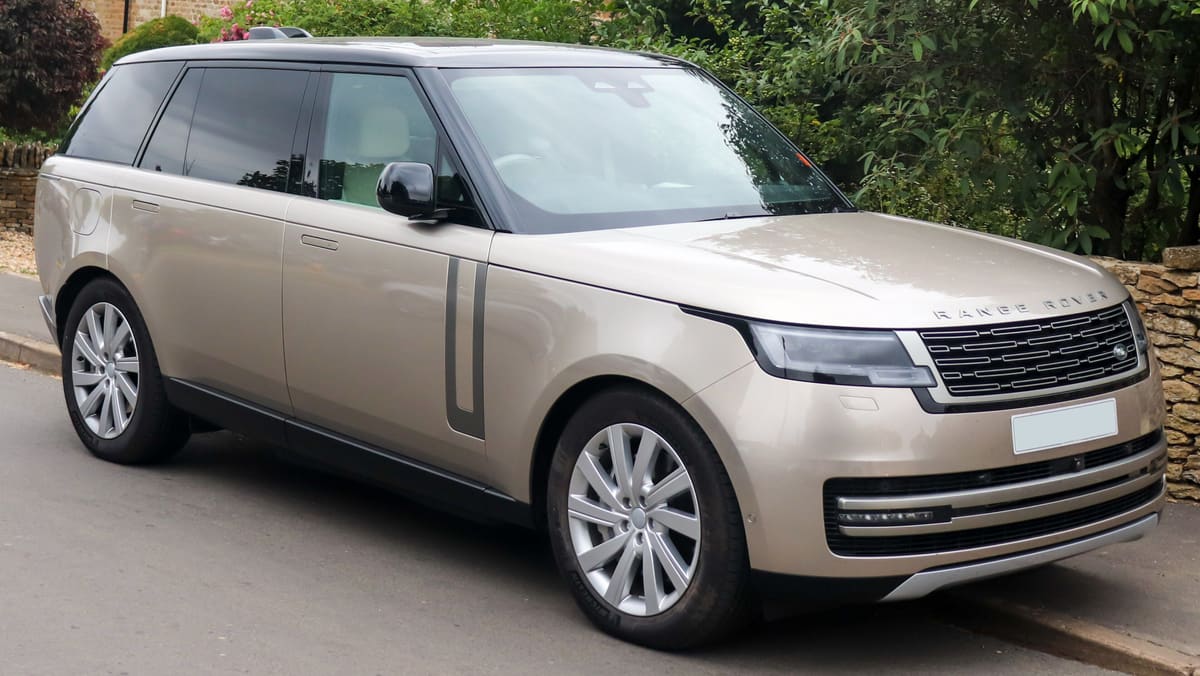
The Land Rover Range Rover is renowned for its luxury and off-road capabilities, but how reliable is it? Overall, the Range Rover has a mixed reliability record, with certain model years performing better than others. Factors such as maintenance history and usage play a significant role in its dependability.
Early Models (1970 - 1990)
The original Range Rover, launched in 1970, was a pioneer in combining luxury with off-road capability. However, early models suffered from various reliability issues, particularly with electrical systems and build quality. Owners often reported problems with rust and engine performance, leading to a less than stellar reputation during this period.
Despite these concerns, many enthusiasts cherish early models for their classic appeal. Maintenance can be costly, but dedicated owners often find that regular servicing mitigates many reliability issues. The introduction of the 1989 Range Rover Classic marked improvements in technology, yet electrical gremlins persisted.
The P38 Generation (1994 - 2002)
The P38 generation saw significant advancements in technology and comfort, but reliability remained a challenge. Common issues included air suspension failures and electrical faults, which could lead to expensive repairs. The complexity of the systems introduced in this era often left owners frustrated.
However, the P38 also offered a more refined driving experience. Many owners report that with diligent maintenance, the vehicle can provide years of dependable service. The model’s popularity means that parts are widely available, helping to keep repair costs manageable for those willing to invest in upkeep.
L322 Generation (2002 - 2012)
The L322 generation marked a turning point for the Range Rover in terms of reliability. While early models faced issues with the BMW-sourced engines, later years saw improvements in both performance and dependability. The introduction of the Supercharged variant added power, but it also came with higher running costs.
Owner feedback indicates that regular servicing and addressing known issues promptly can lead to a reliable experience. The L322 is often praised for its luxurious interior and off-road capabilities, making it a popular choice among enthusiasts. DVSA MOT data suggests that this generation has a better reliability record compared to its predecessors.
L405 Generation (2013 - 2021)
The L405 generation brought a new level of refinement and technology, but it has not been without its reliability concerns. Owners have reported issues with the infotainment system and air suspension, which can lead to costly repairs. However, the overall build quality has improved, and many owners find that the vehicle remains dependable with regular maintenance.
This generation also introduced a range of engine options, including more efficient diesel variants. The combination of luxury and performance has made the L405 a popular choice, but potential buyers should be aware of the importance of a thorough service history.
Current Generation (2022 - Present)
The latest Range Rover model continues the brand’s legacy of luxury and off-road prowess, but early reports indicate some reliability concerns. As with any new model, teething issues are common, and owners have reported problems with software glitches and electronic systems. These issues are often addressed in subsequent updates, but they can affect initial dependability.
Despite these challenges, the new Range Rover offers advanced technology and comfort features that appeal to buyers. As the model matures, reliability is expected to improve, especially as the manufacturer addresses early concerns. Potential owners should keep an eye on user feedback and service updates to gauge long-term dependability.
Factors Influencing Reliability
Several factors can impact the reliability of the Land Rover Range Rover. Maintenance history is crucial; vehicles with a documented service record tend to perform better over time. Regular checks of the air suspension, electrical systems, and engine components can prevent minor issues from escalating into major repairs.
Driving habits also play a role in the vehicle’s longevity. Owners who engage in off-road driving may experience different wear and tear compared to those who primarily use their Range Rover for urban commuting. Additionally, environmental factors such as climate and road conditions can affect performance and reliability.
while the Land Rover Range Rover has a varied reliability record, certain generations have shown marked improvements. With proper care and attention, many owners find that they can enjoy the luxury and performance of this iconic vehicle without significant reliability issues.
Land Rover Range Rover recall record
67 recalls have been issued for the Land Rover Range Rover, between 1993 and 2026.
Range Rover (L405) Front Suspension Knuckle Crack – Incorrect Repair
R/2026/329Issued 25 August 2026
For affected vehicles the repair procedure for a prior safety recall was incorrect. As a result the front suspension knuckles have been replaced with those of an incorrect specification.
Remedy:Vehicles will have both front suspension knuckles replaced.
Affects cars built Nov 2015 to Jul 2017
AJ20-D6 Idler Pulley Clash
R/2026/241Issued 26 June 2026
A concern has been identified on certain AJ20-D6 engines where the Front End Auxiliary Drive (FEAD) belt idler pulley may over-rotate following a high torsion input and lead to a clash with and damage to the oil pressure and temperature sensor. A damaged oil pressure and temperature sensor can lead to an oil leak from the engine which can result in a slip hazard for following road users particularly two-wheeled vehicles.
Remedy:Vehicles will have the Front-End Auxiliary Drive (FEAD) idler pulley replaced.
Affects cars built Jan 2024 to Dec 2024
Driver’s Airbag Potential Non-Deployment
R/2026/245Issued 19 June 2026
A concern has been identified where the connector to the driver’s airbag at the clockspring may experience fretting corrosion over time. This can lead to an increased resistance in the driver’s airbag circuit potentially resulting in the airbag failing to deploy when requested to do so. An airbag which fails to deploy as-intended will increase the risk of injury in the event of a crash.
Remedy:Vehicles will have a protective lubricant gel applied to the driver’s airbag connector terminals.
Affects cars built Sept 2020 to Jun 2026
Range Rover Range Rover Sport and Range Rover Velar Audio Amplifier Water Damage
R/2026/198Issued 27 May 2026
A concern has been identified on certain 2026 model year Range Rover Range Rover Sport and Range Rover Velar vehicles where the audio amplifiers may have been subject to water damage and may not provide any audio output including no seat belt reminder audible warnings to the driver. A seat belt reminder audible warning chime that does not alert of an unlatched seat belt can increase the risk of occupant injury in the event of a crash.
Remedy:Affected vehicles will have the audio amplifier replaced.
Affects cars built Feb 2026 to Feb 2026
63 older recalls not shown.
A recall applies to a build range, not to every car of this model. Check a registration to see whether one specific vehicle has an outstanding recall.
Land Rover Range Rover MOT record
From 86,405 recorded MOT tests, 17.9% failed.
| Registered | Tests | Failed | Median mileage |
|---|---|---|---|
| 2023 | 394 | 5.6% | 25,684 mi |
| 2022 | 4,725 | 8.7% | 27,816 mi |
| 2021 | 3,136 | 8.6% | 37,552 mi |
| 2020 | 3,469 | 9.2% | 44,822 mi |
| 2019 | 4,681 | 10.2% | 53,320 mi |
| 2018 | 5,174 | 10.3% | 61,918 mi |
| 2017 | 5,262 | 14.2% | 72,304 mi |
| 2016 | 5,288 | 16.7% | 79,782 mi |
Most common reasons for failure
- A suspension pin, bush or joint excessively worn33.5%
- Tyre tread depth not in accordance with the requirements19.4%
- Brake pipe damaged or excessively corroded18.9%
- A tyre seriously damaged15.7%
- a brake lining or pad worn below 1.5mm12.5%
Figures cover every Land Rover Range Rover tested in the DVSA dataset, not this specific car. Check a registration for the actual history of one vehicle.
Frequently asked questions
How reliable is the Land Rover Range Rover?
The Land Rover Range Rover has a mixed reputation for reliability. While some owners report a dependable experience, others have faced issues, particularly with older models.
What common problems should I look out for in a Range Rover?
Common issues include electrical faults, air suspension problems, and engine management system failures. Regular maintenance can help mitigate these concerns.
Are newer Range Rover models more reliable than older ones?
Generally, newer models benefit from improved technology and engineering, which can enhance reliability. However, it's essential to check specific model reviews and owner feedback.
How does the Range Rover compare to other luxury SUVs in terms of reliability?
The Range Rover often ranks lower in reliability compared to some competitors like the BMW X5 or Audi Q7. However, it is valued for its luxury and off-road capabilities.
What is the average lifespan of a Range Rover?
With proper maintenance, a Range Rover can last over 10 years. However, reliability can vary significantly based on the model and how well it has been cared for.
Is it expensive to maintain a Range Rover?
Maintenance costs for a Range Rover can be higher than average due to the luxury parts and specialised services required. It's advisable to budget for regular servicing and potential repairs.
Should I consider an extended warranty for a Range Rover?
An extended warranty can provide peace of mind, especially for older models. It may help cover unexpected repairs and maintenance costs.
How can I improve the reliability of my Range Rover?
Regular servicing, using quality parts, and addressing issues promptly can significantly improve reliability. Staying on top of maintenance schedules is crucial.
Sources
- DVSA anonymised MOT tests and results (Open Government Licence v3.0)
- DVSA vehicle safety recalls (Open Government Licence v3.0)