Common problems
Porsche 911 common problems and reliability issues
Honest rundown of the most common Porsche 911 faults, what to watch for, and how to keep one running well.
Updated 23rd June 2026 DVSA data: Across 48,899 recorded MOT tests, 9.1% failed.
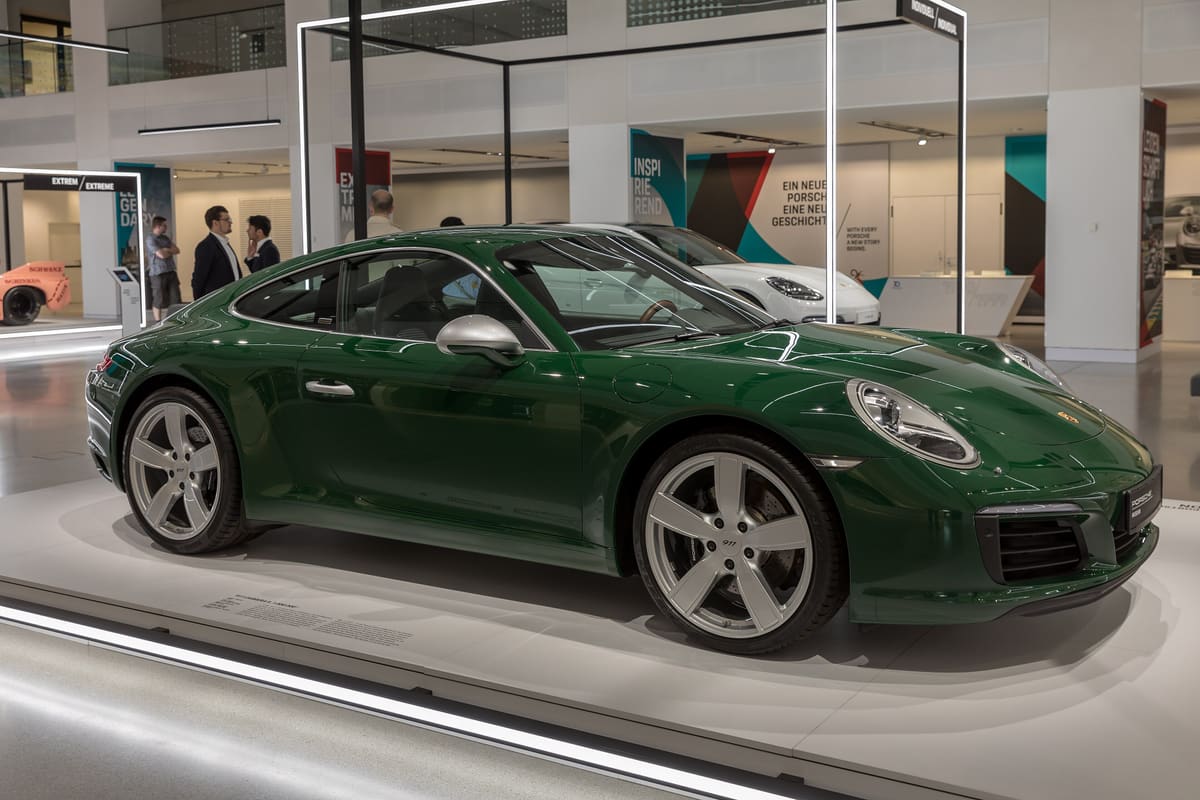
The Porsche 911 is a celebrated sports car known for its performance and engineering excellence. Issues can arise in various systems, including the engine, transmission, suspension, and electrical components.
Engine Issues
The engine is the heart of the Porsche 911, but it is not without its problems. One of the most notable issues is the potential for oil leaks, particularly from the camshaft and crankshaft seals. These leaks can lead to significant oil loss and engine damage if not addressed promptly.
Additionally, some models, especially those with the M96 engine, have been known to experience intermediate shaft bearing failures. This can result in catastrophic engine failure if the bearing seizes. Regular oil changes and using high-quality oil can help mitigate some of these risks. Owners should also be vigilant for unusual noises or warning lights that may indicate engine trouble.
Transmission Problems
Transmission issues can also plague the Porsche 911, particularly in older models. The most common problem is related to the automatic transmission, where drivers may experience rough shifting or slipping. This can be attributed to low transmission fluid levels or wear and tear on internal components.
Manual transmission models can also face challenges, particularly with the clutch. Clutch wear can lead to difficulty in engaging gears or a spongy clutch pedal. Regular maintenance, including fluid changes and inspections, can help prolong the life of the transmission and prevent costly repairs.
Suspension and Steering Concerns
The suspension system of the Porsche 911 is designed for performance, but it can suffer from wear over time. Common issues include worn bushings and ball joints, which can result in a harsh ride and poor handling. Drivers may notice increased road noise or vibrations, indicating that suspension components need attention.
Steering problems can also arise, particularly in older models. Some owners report issues with the power steering system, which can lead to difficulty in steering or a loss of power assist. Regular checks of the steering fluid levels and system components can help identify potential problems before they escalate.
Electrical System Faults
Electrical issues are another area where the Porsche 911 can experience problems. Owners may encounter issues with the battery, alternator, or starter motor, leading to difficulties in starting the vehicle. Additionally, problems with the wiring harness can cause various electrical faults, including malfunctioning lights or dashboard warnings.
Some models have reported issues with the infotainment system, where screens may freeze or fail to respond. Keeping software updated and ensuring connections are secure can help mitigate these issues. It is advisable to have any electrical problems diagnosed by a qualified technician to avoid further complications.
Brake System Challenges
The brake system in the Porsche 911 is crucial for safety and performance, but it can develop issues over time. Common problems include brake pad wear and disc warping, which can lead to reduced braking efficiency and increased stopping distances. Regular inspection of brake components is essential to ensure they are in good condition.
Additionally, some owners have reported issues with the brake warning light illuminating due to faulty sensors rather than actual brake problems. This can lead to unnecessary concern and should be diagnosed properly. Maintaining the brake system through regular servicing can help prevent these issues from becoming serious.
Cooling System Problems
The cooling system is vital for maintaining optimal engine temperature, but it can be a source of problems in the Porsche 911. Common issues include coolant leaks from hoses or the radiator, which can lead to overheating if not addressed. Drivers should be vigilant for signs of coolant loss or overheating, such as steam from the engine bay.
Another potential issue is the failure of the water pump, which can lead to coolant circulation problems. Regular checks of the cooling system, including hoses and connections, can help identify leaks early. Ensuring that the coolant is at the correct level and in good condition is also essential for preventing overheating and engine damage.
Understanding these common problems can help Porsche 911 owners and prospective buyers make informed decisions about maintenance and repairs. Regular servicing and attentive care can significantly enhance the longevity and reliability of this iconic sports car.
Porsche 911 recall record
37 recalls have been issued for the Porsche 911, between 1992 and 2025.
ASA0 - Check rear seat belt buckles and rework if necessary
R/2025/077Issued 26 February 2025
Due to a process error in the production an aluminium butyl may have been positioned incorrectly and the screw connection of the rear left and right belt buckle was potentially not executed according to the specifications. If this is the case the correct fastening of the belt buckle cannot be guaranteed. The loosening of the rear belt buckles in the event of an accident or emergency braking cannot be ruled out. This could increase the associated risk of injury.
Remedy:The positioning of the aluminium butyl mat on the left and right of the affected vehicles must be checked and depending on the test result the screw connection must be reworked.
Affects cars built Feb 2023 to Sept 2023
ARC4 Stop Use & Safety Recall - Wheel attachment with central locking
R/2024/427Issued 28 October 2024
On affected vehicles the wheel attachments using the central lock may not meet the required specifications. This can lead to damage / breakage and the possibility of wheel detachment.
Remedy:Check the correct functioning of the central lock wheel fastening system and replace if necessary.
Affects cars built Sept 2023 to Oct 2024
ARA3 - Check front and rear windows and replace if necessary
R/2024/140Issued 13 March 2024
On the affected vehicles it is possible that the front and rear window panes were not manufactured in accordance with specifications and their bonding to the body is therefore insufficient
Remedy:To prevent this from happening the front and rear windows on the affected vehicles must be checked and if necessary replaced
Affects cars built Jul 2020 to Feb 2024
On affected vehicles the side airbag installed in bucket seats may be activated unnecessarily.
R/2023/319Issued 8 November 2023
On affected vehicles the side airbag installed in bucket seats may be activated unnecessarily.
Remedy:Recode the airbag control unit
Affects cars built Mar 2021 to Oct 2023
33 older recalls not shown.
A recall applies to a build range, not to every car of this model. Check a registration to see whether one specific vehicle has an outstanding recall.
Porsche 911 MOT record
From 48,899 recorded MOT tests, 9.1% failed.
| Registered | Tests | Failed | Median mileage |
|---|---|---|---|
| 2022 | 2,463 | 3.6% | 8,852 mi |
| 2021 | 1,646 | 2.5% | 12,540 mi |
| 2020 | 1,467 | 3.7% | 18,521 mi |
| 2019 | 2,244 | 4.5% | 21,496 mi |
| 2018 | 2,074 | 4.7% | 19,409 mi |
| 2017 | 1,847 | 5.4% | 26,045 mi |
| 2016 | 1,676 | 4.9% | 30,349 mi |
| 2015 | 1,714 | 4.9% | 32,938 mi |
Most common reasons for failure
- Tyre tread depth not in accordance with the requirements26.5%
- Brake pipe damaged or excessively corroded22.7%
- A tyre seriously damaged21.7%
- A suspension pin, bush or joint excessively worn14.7%
- Brake disc or drum excessively weakened, insecure or fractured14.5%
Figures cover every Porsche 911 tested in the DVSA dataset, not this specific car. Check a registration for the actual history of one vehicle.
Porsche 911 official figures
Median across 20 variants on sale, petrol, petrol electric.
- Combined economy
- 25.9 mpg
- WLTP median across variants
- CO2 emissions
- 247 g/km
- Sets the first-year tax rate
Official figures for new cars. Real economy varies with driving, load and conditions.
Frequently asked questions
What are the most common issues with the Porsche 911?
Common issues with the Porsche 911 include oil leaks, electrical problems, and issues with the IMS bearing in older models. Regular maintenance can help mitigate these problems.
How reliable is the Porsche 911?
The Porsche 911 is generally considered a reliable sports car, but like any vehicle, it can experience problems. It's important to check the service history and have a pre-purchase inspection.
Are there any specific model years to avoid?
Certain model years, particularly those from the early 2000s, may have more reported issues, especially with the IMS bearing. Researching specific model reviews can provide more insight.
What should I look for during a test drive?
During a test drive, pay attention to unusual noises, the responsiveness of the brakes, and any warning lights on the dashboard. Ensure the car handles well and feels stable at speed.
How can I prevent common problems with a Porsche 911?
Regular servicing and using quality parts can help prevent many common issues. Staying on top of maintenance schedules is crucial for the longevity of the vehicle.
Is it expensive to repair a Porsche 911?
Repair costs for a Porsche 911 can be higher than average due to the specialised parts and labour. It's wise to budget for maintenance and potential repairs when considering a purchase.
What are the signs of an IMS bearing failure?
Signs of IMS bearing failure can include unusual engine noises, oil leaks, and a decrease in engine performance. If you suspect an issue, it's best to have it inspected by a professional.
Should I consider a warranty for a used Porsche 911?
Yes, considering a warranty for a used Porsche 911 can provide peace of mind against unexpected repairs. Look for warranties that cover key components and have good reviews.
Sources
- DVSA anonymised MOT tests and results (Open Government Licence v3.0)
- VCA new car fuel consumption and emissions data (Open Government Licence v3.0)
- DVSA vehicle safety recalls (Open Government Licence v3.0)