Reliability
Porsche 911 reliability: how dependable is it really?
What Porsche 911 owners actually report, by year, plus what MOT data tells us about its reliability.
Updated 23rd June 2026 DVSA data: Across 48,899 recorded MOT tests, 9.1% failed.
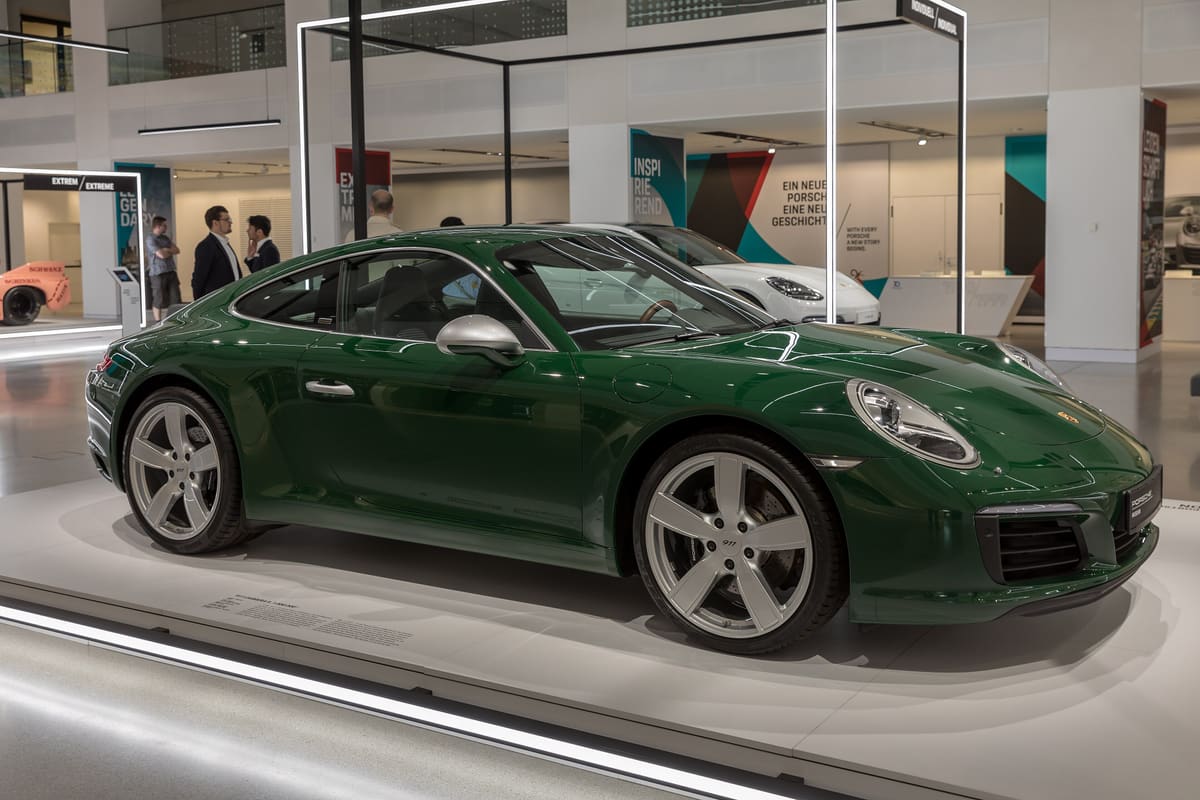
The Porsche 911 is renowned for its performance and engineering excellence, but how reliable is it? Overall, the 911 has a solid reputation for dependability, with many models showing impressive longevity. However, reliability can vary by year and model, influenced by factors such as design changes and technology upgrades.
Early Models (1964-1989)
The early Porsche 911 models, produced from 1964 to 1989, are generally considered robust and reliable. These cars were built with simplicity in mind, featuring fewer electronic components compared to modern vehicles. Owners often report minimal issues, with many cars still on the road today.
The air-cooled engines of these early models are particularly noted for their durability. Regular maintenance and proper care can lead to high mileage without significant problems. However, rust can be a concern, especially in older models, so thorough inspections are advisable for potential buyers.
The 964 and 993 Generations (1989-1998)
The 964 and 993 generations, produced from 1989 to 1998, introduced more modern technology while retaining the 911’s core characteristics. These models are generally reliable, but some issues have been reported, particularly with the 964’s engine and the 993’s electrical systems.
The 964 saw the introduction of all-wheel drive and improved aerodynamics, which enhanced performance but also added complexity. Owners should be aware of potential oil leaks and electrical gremlins. The 993, often praised for its reliability, features a more advanced engine design that has proven to be durable, but it is still essential to keep up with regular maintenance.
The 996 Generation (1999-2004)
The 996 generation marked a significant shift in the 911’s design, introducing a water-cooled engine. While this change improved performance and emissions, it also led to some reliability concerns, particularly regarding the infamous IMS bearing failure. Many owners have reported issues related to this component, which can lead to catastrophic engine failure if not addressed.
Despite these concerns, the 996 is still a popular choice due to its affordability and performance. Regular servicing and potential upgrades can mitigate some of the reliability issues. Owners should ensure that any potential purchase has a comprehensive service history, particularly regarding the IMS bearing.
The 997 Generation (2005-2012)
The 997 generation is often regarded as one of the most reliable iterations of the 911. With improvements in engineering and technology, these models have fewer reported issues compared to the 996. The 997 also features a more refined interior and better handling, making it a favourite among enthusiasts.
While the 997 is generally dependable, some owners have reported issues with the rear main seal and the occasional electrical fault. Regular maintenance is key to keeping these cars in top condition. The 997.2, introduced in 2009, further improved reliability with updated engine designs and technology.
The 991 Generation (2012-2019)
The 991 generation brought significant advancements in technology and performance, with a focus on efficiency and driver experience. Reliability has been strong, with fewer reported issues compared to earlier generations. The 991 features a more sophisticated chassis and improved engine performance, contributing to its dependability.
However, some owners have noted minor electrical issues and concerns with the PDK transmission. Regular servicing and software updates can help address these problems. Overall, the 991 is considered a reliable choice for those seeking a modern Porsche 911 experience.
The Current 992 Generation (2019-Present)
The 992 generation, introduced in 2019, continues the trend of reliability seen in the 911 lineage. With advancements in technology and engineering, these models are designed to be more efficient and dependable. Early reports from owners indicate a positive reliability outlook, with few significant issues noted.
As with any modern vehicle, regular maintenance is crucial to ensure longevity. The 992 features numerous technological enhancements, which can sometimes lead to minor glitches. However, overall, it is expected to maintain the 911’s reputation for reliability as it matures.
Summary of Reliability Trends
Across the generations, the Porsche 911 has demonstrated a strong reliability record, with some variations depending on the model year and specific design changes. Early models are often praised for their simplicity and durability, while later generations have introduced more advanced technology that can occasionally lead to reliability concerns.
Potential buyers should consider the specific model year and its known issues, as well as the importance of regular maintenance. Ultimately, the Porsche 911 remains a solid choice for those seeking a blend of performance and reliability in a sports car.
Porsche 911 recall record
37 recalls have been issued for the Porsche 911, between 1992 and 2025.
ASA0 - Check rear seat belt buckles and rework if necessary
R/2025/077Issued 26 February 2025
Due to a process error in the production an aluminium butyl may have been positioned incorrectly and the screw connection of the rear left and right belt buckle was potentially not executed according to the specifications. If this is the case the correct fastening of the belt buckle cannot be guaranteed. The loosening of the rear belt buckles in the event of an accident or emergency braking cannot be ruled out. This could increase the associated risk of injury.
Remedy:The positioning of the aluminium butyl mat on the left and right of the affected vehicles must be checked and depending on the test result the screw connection must be reworked.
Affects cars built Feb 2023 to Sept 2023
ARC4 Stop Use & Safety Recall - Wheel attachment with central locking
R/2024/427Issued 28 October 2024
On affected vehicles the wheel attachments using the central lock may not meet the required specifications. This can lead to damage / breakage and the possibility of wheel detachment.
Remedy:Check the correct functioning of the central lock wheel fastening system and replace if necessary.
Affects cars built Sept 2023 to Oct 2024
ARA3 - Check front and rear windows and replace if necessary
R/2024/140Issued 13 March 2024
On the affected vehicles it is possible that the front and rear window panes were not manufactured in accordance with specifications and their bonding to the body is therefore insufficient
Remedy:To prevent this from happening the front and rear windows on the affected vehicles must be checked and if necessary replaced
Affects cars built Jul 2020 to Feb 2024
On affected vehicles the side airbag installed in bucket seats may be activated unnecessarily.
R/2023/319Issued 8 November 2023
On affected vehicles the side airbag installed in bucket seats may be activated unnecessarily.
Remedy:Recode the airbag control unit
Affects cars built Mar 2021 to Oct 2023
33 older recalls not shown.
A recall applies to a build range, not to every car of this model. Check a registration to see whether one specific vehicle has an outstanding recall.
Porsche 911 MOT record
From 48,899 recorded MOT tests, 9.1% failed.
| Registered | Tests | Failed | Median mileage |
|---|---|---|---|
| 2022 | 2,463 | 3.6% | 8,852 mi |
| 2021 | 1,646 | 2.5% | 12,540 mi |
| 2020 | 1,467 | 3.7% | 18,521 mi |
| 2019 | 2,244 | 4.5% | 21,496 mi |
| 2018 | 2,074 | 4.7% | 19,409 mi |
| 2017 | 1,847 | 5.4% | 26,045 mi |
| 2016 | 1,676 | 4.9% | 30,349 mi |
| 2015 | 1,714 | 4.9% | 32,938 mi |
Most common reasons for failure
- Tyre tread depth not in accordance with the requirements26.5%
- Brake pipe damaged or excessively corroded22.7%
- A tyre seriously damaged21.7%
- A suspension pin, bush or joint excessively worn14.7%
- Brake disc or drum excessively weakened, insecure or fractured14.5%
Figures cover every Porsche 911 tested in the DVSA dataset, not this specific car. Check a registration for the actual history of one vehicle.
Porsche 911 official figures
Median across 20 variants on sale, petrol, petrol electric.
- Combined economy
- 25.9 mpg
- WLTP median across variants
- CO2 emissions
- 247 g/km
- Sets the first-year tax rate
Official figures for new cars. Real economy varies with driving, load and conditions.
Frequently asked questions
How reliable is the Porsche 911 compared to other sports cars?
The Porsche 911 is generally regarded as one of the more reliable sports cars on the market. Many owners report fewer issues compared to competitors, thanks to its robust engineering and quality materials.
What common issues should I look out for in a used Porsche 911?
Common issues in used Porsche 911 models can include oil leaks, electrical problems, and wear on the suspension components. It's advisable to have a thorough inspection done before purchasing.
Are Porsche 911s expensive to maintain?
Maintenance costs for a Porsche 911 can be higher than average due to the specialised parts and labour required. However, regular servicing can help prevent costly repairs down the line.
How often should I service my Porsche 911?
Porsche recommends servicing your 911 every 10,000 miles or annually, whichever comes first. Regular servicing is crucial for maintaining reliability and performance.
Is the Porsche 911 known for any specific reliability issues?
While the Porsche 911 is generally reliable, some older models may experience issues with the IMS bearing and rear main seal. It's important to research the specific model year you are considering.
What warranty options are available for a new Porsche 911?
A new Porsche 911 typically comes with a three-year warranty, which can be extended with additional coverage options. This provides peace of mind for buyers regarding reliability.
How does the Porsche 911 perform in reliability surveys?
The Porsche 911 often scores well in reliability surveys, frequently ranking above average in its class. Owners typically report high satisfaction with the car's performance and dependability.
Can I trust online reviews about Porsche 911 reliability?
Online reviews can provide valuable insights, but it's important to consider multiple sources. Look for reviews from verified owners and reputable automotive publications for a balanced view.
Sources
- DVSA anonymised MOT tests and results (Open Government Licence v3.0)
- VCA new car fuel consumption and emissions data (Open Government Licence v3.0)
- DVSA vehicle safety recalls (Open Government Licence v3.0)