Top fixes
Saab 9-5 top fixes: how owners handle the common issues
Practical fixes for the common Saab 9-5 faults owners run into.
Updated 4th September 2026 DVSA data: Across 6,383 recorded MOT tests, 28.6% failed.
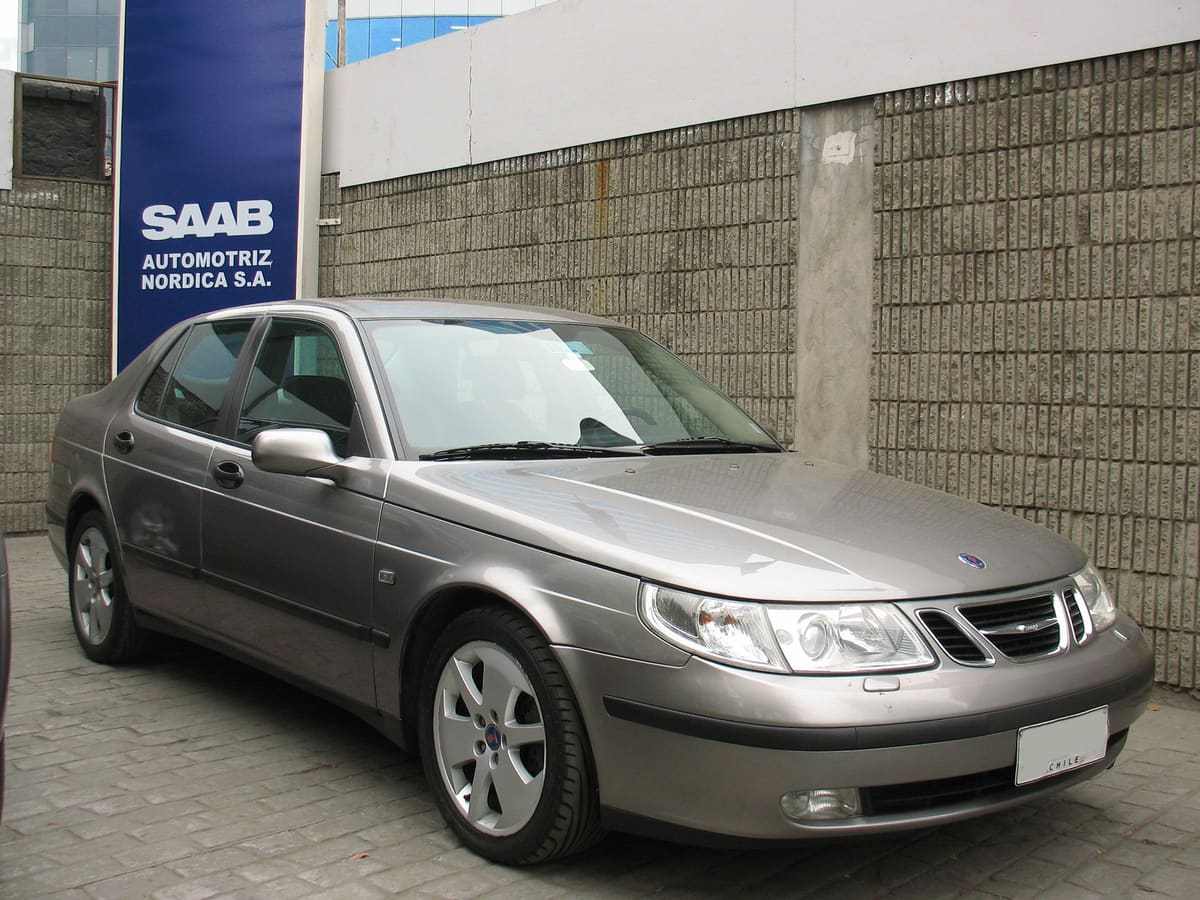
The Saab 9-5 is a well-regarded executive car, but like any vehicle, it has its share of common issues. Owners often report problems with the electrical system, suspension, and engine performance. This article outlines practical fixes for these common concerns to help you maintain your Saab 9-5 in top condition.
Electrical System Issues
Many Saab 9-5 owners experience electrical problems, particularly with the central locking and dashboard display. These issues can often be traced back to faulty wiring or poor connections.
To address central locking failures, inspect the wiring harness in the driver’s door for wear or damage. Cleaning and reseating the connectors can sometimes resolve the issue. If the dashboard display is flickering or malfunctioning, check for loose connections behind the instrument cluster. A thorough cleaning of the contacts can improve performance.
Additionally, consider replacing any blown fuses related to the electrical system. Regularly checking the battery and ensuring it is securely mounted can prevent many electrical gremlins from arising.
Suspension Problems
The suspension on the Saab 9-5 is known for its comfort, but it can develop issues over time, particularly with the front struts and rear bushings. Owners often report a knocking noise when driving over bumps, indicating worn components.
To fix suspension problems, start by inspecting the struts for leaks or damage. If they are worn, replacing them with quality aftermarket parts can restore ride quality. Additionally, check the rear bushings for signs of wear. Replacing these can improve handling and reduce noise.
Regularly inspecting the suspension components can prevent more significant issues down the line. Keeping the vehicle aligned can also help extend the life of the suspension system.
Engine Performance Issues
Some Saab 9-5 owners report engine performance issues, such as rough idling or loss of power. These problems can often be linked to the ignition system or fuel delivery.
Start by checking the spark plugs and ignition coils. Worn or fouled spark plugs can lead to misfires, while faulty coils can cause poor performance. Replacing these components is a straightforward fix that can significantly improve engine response.
If the engine is still underperforming, inspect the fuel injectors for clogs. Cleaning or replacing them can restore proper fuel flow. Regularly changing the fuel filter can also prevent debris from affecting engine performance.
Gearbox and Transmission Concerns
Transmission issues can be a concern for Saab 9-5 owners, particularly with automatic models. Common complaints include slipping gears or delayed engagement when shifting.
To address these issues, start by checking the transmission fluid level and condition. Low or dirty fluid can lead to poor shifting performance. If the fluid is burnt or contaminated, a complete fluid change may be necessary.
If problems persist, consider having the transmission control module scanned for error codes. This can help identify specific issues that may require professional attention. Regular transmission service can help maintain optimal performance and longevity.
Air Conditioning and Heating Problems
The climate control system in the Saab 9-5 is essential for comfort, but it can develop issues over time. Owners often report weak airflow or a lack of cooling.
To fix weak airflow, start by checking the cabin air filter. A clogged filter can restrict airflow and reduce the effectiveness of the system. Replacing the filter is a simple task that can improve performance.
If the air conditioning is not cooling effectively, check the refrigerant level. Low refrigerant can prevent the system from functioning properly. If the system is low, it may indicate a leak that needs to be addressed. Regular servicing of the air conditioning system can help prevent these issues.
Brake System Maintenance
Braking performance is crucial for safety, and Saab 9-5 owners should be vigilant about brake system maintenance. Common issues include squeaking brakes or a spongy brake pedal.
To address squeaking brakes, inspect the brake pads for wear. If they are worn down, replacing them with quality pads can eliminate the noise. Additionally, ensure that the brake rotors are in good condition; warped rotors can also cause noise and affect braking performance.
For a spongy brake pedal, check the brake fluid level and look for any leaks in the brake lines. Bleeding the brakes can remove air from the system and restore a firm pedal feel. Regular brake inspections can help catch issues before they become serious problems.
Saab 9-5 recall record
4 recalls have been issued for the Saab 9-5, between 2002 and 2010.
STEERING WHEEL AIRBAG MAY NOT PERFORM CORRECTLY IN A COLLISION
R/2010/214Issued 3 December 2010
It has been identified that in the unlikely event of a collision where there is a need for the deployment of the driver airbag it is a possible that the drivers airbag module may separate form its mounting on the steering wheel horn plate.
Remedy:Recall all affected vehicles and replace the drivers airbag module.
FUEL MAY LEAK - FIRE MAY OCCUR
R/2008/188Issued 26 January 2009
Fuel may leak from the return hose because it is not to specification and will age/crack prematurely. In the worst case fire may occur.
Remedy:Recall the vehicles that are likely to be affected to replace the fuel return hose.
Affects cars built Jan 2006 to Dec 2008
DETACHABLE TOW BAR MAY BECOME INSECURE.
R/2003/005Issued 10 January 2003
Under certain conditions the detachable tow bar may work loose resulting in the tow bar becoming detached from the vehicle.
Remedy:Replace the tow ball and housing with a calibrated unit.
TOWBALL CAME ADRIFT FROM TOWBAR
R/2002/093Issued 11 July 2002
A combination of internal and external forces caused the towball to prematurely detach itself from the towball housing resulting in separation of the trailer from the drawing unit.
Remedy:All towballs and housing will initially be modified and then replaced with calibrated units at a later date.
A recall applies to a build range, not to every car of this model. Check a registration to see whether one specific vehicle has an outstanding recall.
Saab 9-5 MOT record
From 6,383 recorded MOT tests, 28.6% failed.
| Registered | Tests | Failed | Median mileage |
|---|---|---|---|
| 2011 | 293 | 21.8% | 108,146 mi |
| 2010 | 552 | 24.8% | 110,716 mi |
| 2009 | 538 | 24.5% | 115,843 mi |
| 2008 | 749 | 27.5% | 122,705 mi |
| 2007 | 852 | 29.2% | 125,012 mi |
| 2006 | 784 | 32.8% | 128,722 mi |
| 2005 | 777 | 30.5% | 128,975 mi |
| 2004 | 602 | 28.6% | 124,748 mi |
Most common reasons for failure
- A suspension pin, bush or joint excessively worn27.9%
- A suspension component excessively damaged or corroded24.6%
- Tyre tread depth not in accordance with the requirements18.1%
- Fluid leaking excessively and likely to harm the environment or to pose a safety risk to other road users16.3%
- A tyre seriously damaged13.1%
Figures cover every Saab 9-5 tested in the DVSA dataset, not this specific car. Check a registration for the actual history of one vehicle.
Frequently asked questions
What are common issues with the Saab 9-5?
Common issues with the Saab 9-5 include electrical problems, oil leaks, and issues with the turbocharger. Regular maintenance can help mitigate these problems.
How can I tell if my Saab 9-5 needs a new turbocharger?
Signs that your Saab 9-5 may need a new turbocharger include a loss of power, unusual noises from the engine, or excessive exhaust smoke. It's best to have a professional inspect it.
Are parts for the Saab 9-5 easy to find in the UK?
Yes, many parts for the Saab 9-5 are available through various online retailers and specialist Saab parts suppliers in the UK. However, some specific components may be harder to source.
How often should I service my Saab 9-5?
It is recommended to service your Saab 9-5 every 12,000 miles or annually, whichever comes first. Regular servicing helps maintain performance and reliability.
What should I check before buying a used Saab 9-5?
Before buying a used Saab 9-5, check for service history, any signs of rust or body damage, and the condition of the interior. A thorough test drive is also essential.
Is it worth buying a Saab 9-5?
Buying a Saab 9-5 can be worthwhile if you appreciate its unique design and driving experience. However, be aware of potential repair costs and availability of parts.
Sources
- DVSA anonymised MOT tests and results (Open Government Licence v3.0)
- DVSA vehicle safety recalls (Open Government Licence v3.0)