Buying guide
Buying a used Smart Fortwo: what to check before you pay
A complete used-buyer checklist for the Smart Fortwo. Engine, gearbox, electrics, paperwork.
Updated 23rd June 2026 DVSA data: Across 6,082 recorded MOT tests, 25.3% failed.
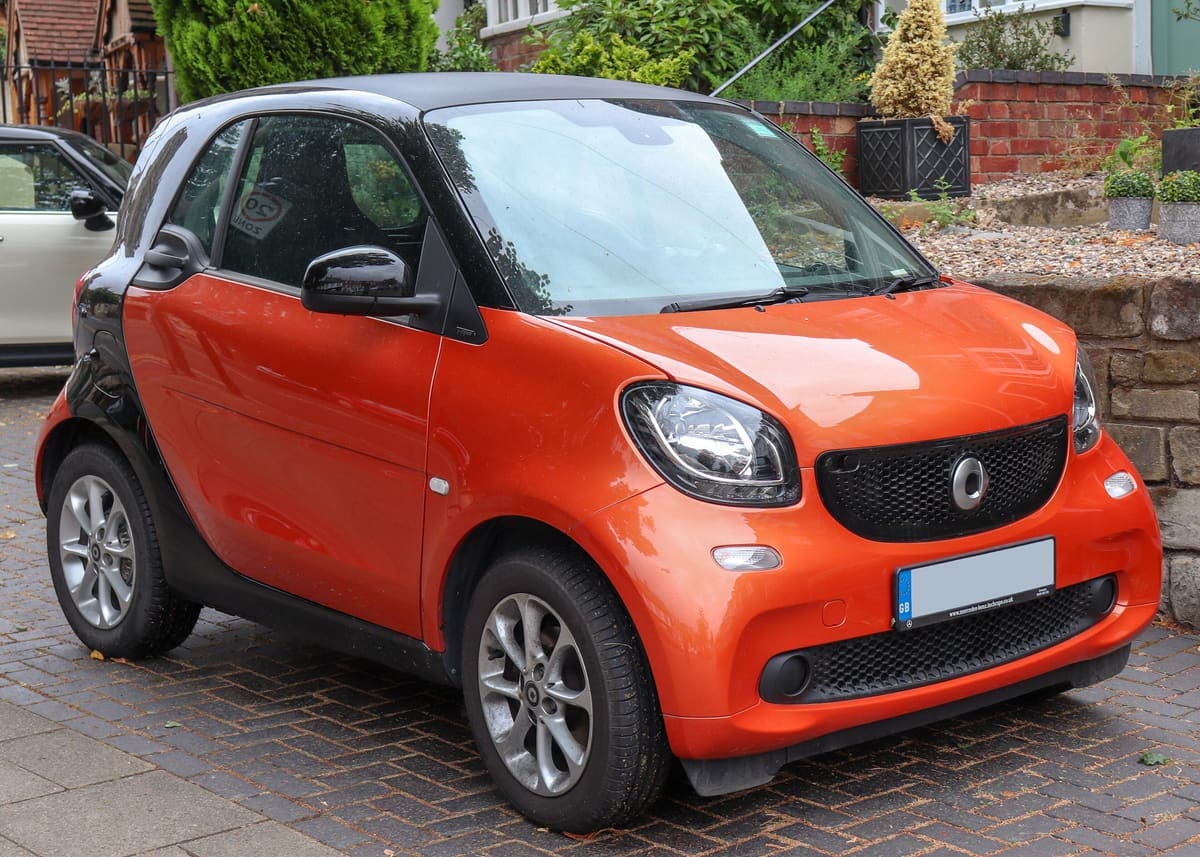
The Smart Fortwo is a compact city car known for its unique design and manoeuvrability. When considering a used model, it is essential to check for common issues, service history, and overall condition to ensure a reliable purchase.
Understanding the Smart Fortwo
The Smart Fortwo is designed primarily for urban driving, featuring a small footprint that makes parking and navigating tight spaces easy. Available in various trims and engine options, it is essential to understand the differences between models. The Fortwo has been produced in several generations since its launch in 1998, each with improvements in technology and efficiency.
When considering a used Smart Fortwo, look for models that suit your driving needs. The earlier models may lack some modern features, while newer versions offer enhanced safety and infotainment systems. Familiarise yourself with the specifications of the model year you are interested in to ensure it meets your requirements.
Common Issues to Look For
Like any used car, the Smart Fortwo may have specific issues that potential buyers should be aware of. Common problems include electrical faults, gearbox issues, and wear on suspension components. Checking the vehicle’s service history can provide insight into any recurring problems.
Inspect the car for signs of wear and tear, particularly in the engine bay and under the vehicle. A thorough test drive can also help identify any unusual noises or handling issues. If possible, obtain a vehicle history report to check for previous accidents or significant repairs.
Service History and Maintenance
A well-documented service history is crucial when buying a used Smart Fortwo. Regular maintenance can significantly affect the vehicle’s longevity and reliability. Look for records of routine services, including oil changes, brake inspections, and tyre rotations.
The Smart Fortwo typically requires less frequent servicing than larger vehicles, but it is essential to ensure that previous owners adhered to the recommended maintenance schedule. If the car has missed any services, it may lead to potential issues down the line. Ask the seller for receipts and documentation to verify the service history.
Condition of the Bodywork and Interior
The condition of the bodywork and interior can greatly influence the overall value of a used Smart Fortwo. Inspect the exterior for any signs of rust, dents, or scratches, which may indicate neglect or previous accidents. Pay close attention to the areas around the wheel arches and under the doors, as these are common areas for rust to develop.
Inside, check the upholstery for any signs of wear, stains, or damage. The dashboard and controls should be in good condition, with all buttons and features functioning correctly. A well-maintained interior reflects the overall care the previous owner took with the vehicle.
Tyres and Brakes
Tyres and brakes are critical components that can affect safety and performance. Inspect the tyres for even wear, adequate tread depth, and any signs of damage. Uneven wear may indicate alignment issues or suspension problems, which could lead to costly repairs.
Brakes should be responsive and free from any unusual noises. Check the thickness of the brake pads and look for any signs of fluid leaks around the brake system. Ensuring that both tyres and brakes are in good condition can save you money on immediate replacements after purchase.
Test Drive and Performance
A test drive is an essential part of the buying process, allowing you to assess the Smart Fortwo’s performance and comfort. Pay attention to how the car accelerates, brakes, and handles corners. Listen for any unusual sounds, such as grinding or rattling, which could indicate underlying issues.
During the test drive, evaluate the visibility and comfort of the seating position. The Smart Fortwo is designed for city driving, so assess how it feels in urban environments. If possible, try driving on different road types to get a comprehensive feel for the vehicle’s performance.
Final Checks and Negotiation
Before finalising your purchase, conduct a final check of the vehicle’s documentation, including the V5C registration document and MOT certificates. Ensure that the vehicle has a valid MOT and check the DVSA MOT data for any advisories or failures in the past.
When negotiating the price, use the information gathered during your inspection and test drive to justify your offer. Be prepared to walk away if the seller is unwilling to negotiate or if you have any lingering doubts about the vehicle’s condition. A well-informed buyer is more likely to secure a fair deal.
By following this full checklist, you can confidently assess a used Smart Fortwo and decide with confidence decision. Taking the time to thoroughly inspect the vehicle and understand its history will help ensure that you enjoy a reliable and enjoyable driving experience.
Smart Fortwo MOT record
From 6,082 recorded MOT tests, 25.3% failed.
| Registered | Tests | Failed | Median mileage |
|---|---|---|---|
| 2013 | 2,363 | 22.9% | 50,045 mi |
| 2012 | 743 | 22.2% | 56,450 mi |
| 2011 | 671 | 23.1% | 63,668 mi |
| 2010 | 775 | 28.3% | 67,112 mi |
| 2009 | 694 | 29.0% | 68,764 mi |
| 2008 | 599 | 29.9% | 74,749 mi |
| 2007 | 237 | 31.6% | 76,832 mi |
Most common reasons for failure
- A tyre seriously damaged24.0%
- Tyre tread depth not in accordance with the requirements23.6%
- Brake pipe damaged or excessively corroded20.8%
- A spring or spring component fractured or seriously weakened17.6%
- Significant brake effort recorded with no brake applied indicating a binding brake14.0%
Figures cover every Smart Fortwo tested in the DVSA dataset, not this specific car. Check a registration for the actual history of one vehicle.
Frequently asked questions
What should I consider when buying a Smart Fortwo?
Consider factors such as your budget, the vehicle's condition, mileage, and service history. It's also important to think about your driving needs and whether the Smart Fortwo's compact size suits your lifestyle.
Are there different models of the Smart Fortwo?
Yes, the Smart Fortwo comes in various models, including petrol and electric versions. Each model may have different features and specifications, so it's worth researching which one best fits your needs.
How fuel-efficient is the Smart Fortwo?
The Smart Fortwo is known for its excellent fuel efficiency, particularly in urban driving conditions. The exact fuel consumption can vary depending on the model and driving style, so check the specific details for the model you are considering.
What are the common issues with Smart Fortwo cars?
Common issues can include electrical problems, transmission issues, and wear on the suspension components. It's advisable to have a thorough inspection done before purchasing to identify any potential problems.
Is the Smart Fortwo suitable for long journeys?
While the Smart Fortwo is designed for city driving and short trips, it can handle longer journeys. However, its compact size may not provide the same level of comfort as larger vehicles on extended trips.
What insurance group does the Smart Fortwo fall into?
The Smart Fortwo typically falls into a lower insurance group, making it more affordable to insure compared to larger cars. However, insurance costs can vary based on factors like your driving history and location.
How does the Smart Fortwo perform in safety tests?
The Smart Fortwo has received decent safety ratings in various tests, but its small size can be a concern in collisions with larger vehicles. Always check the specific safety ratings for the model year you are considering.
Sources
- DVSA anonymised MOT tests and results (Open Government Licence v3.0)