MOT failure rates
Smart Fortwo MOT failure rates: what to expect
What fails on a Smart Fortwo at MOT, how often, and what each fix typically costs.
Updated 4th September 2026 DVSA data: Across 6,082 recorded MOT tests, 25.3% failed.
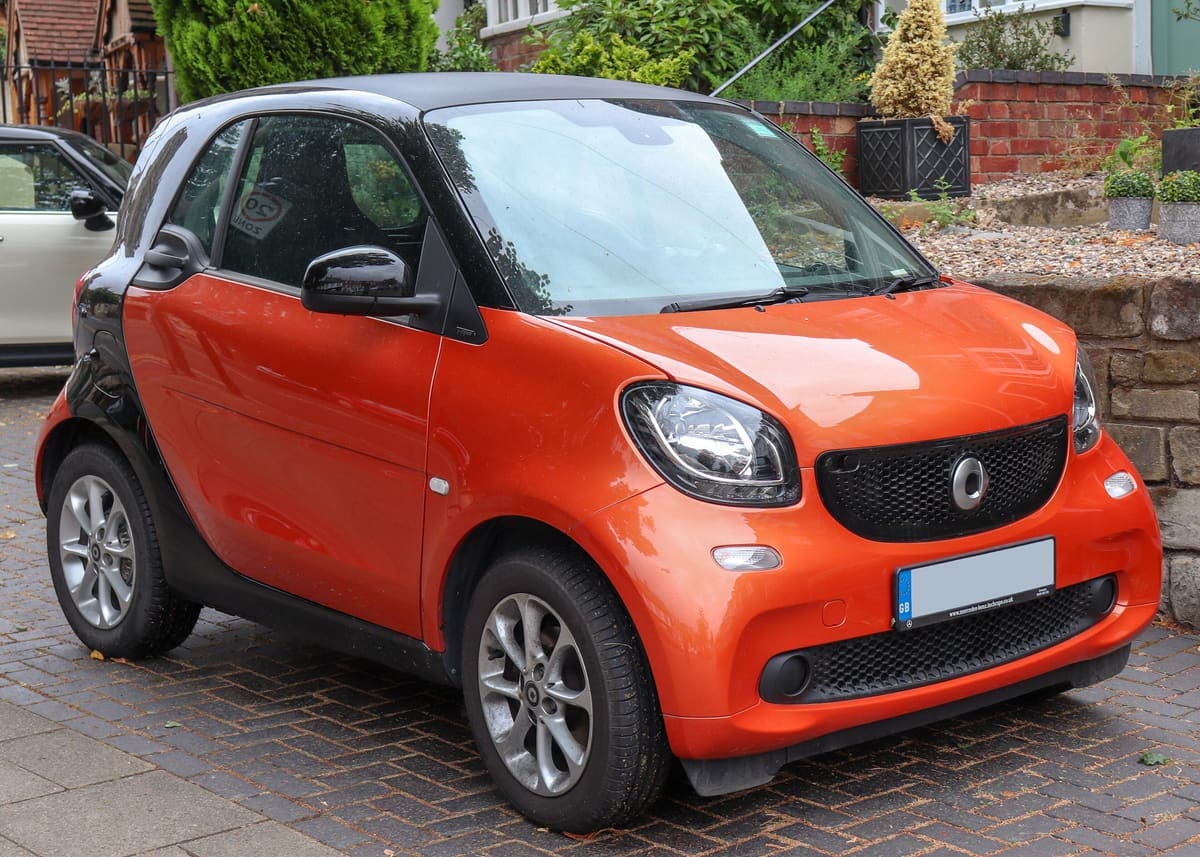
The Smart Fortwo often faces specific issues during its MOT tests, with the most frequent failures being related to lights, brakes, and suspension components. Addressing these problems can vary in cost, but understanding the common pitfalls can help owners prepare for their next MOT.
Lights and Electrical Failures
One of the most common reasons a Smart Fortwo fails its MOT is due to issues with lights and electrical components. This includes problems with headlights, brake lights, and indicators. A blown bulb is often the culprit, which is a straightforward fix.
Regularly checking and maintaining all lights can help prevent these failures.
Brake System Issues
The braking system is crucial for safety, and any faults here can lead to an MOT failure. Common issues include worn brake pads, damaged discs, or leaks in the brake lines. The Smart Fortwo is known for its compact design, which can sometimes lead to quicker wear on brake components.
Regular brake checks and timely replacements can help maintain safety and pass the MOT.
Suspension Problems
Suspension components, such as shock absorbers and springs, are vital for handling and ride comfort. The Smart Fortwo’s unique design can lead to wear on these parts, resulting in MOT failures. Common signs of suspension issues include unusual noises, a bumpy ride, or uneven tyre wear.
If multiple components need attention, costs can rise significantly. Regular inspections can help identify issues early, potentially saving money on repairs.
Tyre Condition and Tread Depth
Tyres are another common failure point during the MOT. The Smart Fortwo requires a minimum tread depth of 1.6mm across the central three-quarters of the tyre. Worn or damaged tyres can lead to an automatic failure, as they directly impact safety and handling.
Regularly checking tyre pressure and tread depth can help avoid MOT failures and ensure safe driving conditions.
Exhaust Emissions
Emissions testing is a critical part of the MOT, and the Smart Fortwo must meet specific standards. Common issues include a faulty catalytic converter or exhaust leaks. Failing the emissions test can lead to a failed MOT and require immediate attention.
Keeping the exhaust system well-maintained can help ensure compliance with emissions standards.
Steering and Alignment Issues
Steering problems can also lead to MOT failures, particularly if there is excessive play in the steering wheel or if the vehicle pulls to one side. The Smart Fortwo’s compact size can sometimes lead to misalignment, which can affect handling and tyre wear.
Regular checks of the steering system can help identify issues before they become serious, ensuring a smoother driving experience and a better chance of passing the MOT.
Smart Fortwo MOT record
From 6,082 recorded MOT tests, 25.3% failed.
| Registered | Tests | Failed | Median mileage |
|---|---|---|---|
| 2013 | 2,363 | 22.9% | 50,045 mi |
| 2012 | 743 | 22.2% | 56,450 mi |
| 2011 | 671 | 23.1% | 63,668 mi |
| 2010 | 775 | 28.3% | 67,112 mi |
| 2009 | 694 | 29.0% | 68,764 mi |
| 2008 | 599 | 29.9% | 74,749 mi |
| 2007 | 237 | 31.6% | 76,832 mi |
Most common reasons for failure
- A tyre seriously damaged24.0%
- Tyre tread depth not in accordance with the requirements23.6%
- Brake pipe damaged or excessively corroded20.8%
- A spring or spring component fractured or seriously weakened17.6%
- Significant brake effort recorded with no brake applied indicating a binding brake14.0%
Figures cover every Smart Fortwo tested in the DVSA dataset, not this specific car. Check a registration for the actual history of one vehicle.
Frequently asked questions
What is an MOT for a Smart Fortwo?
An MOT is a mandatory annual test for vehicle safety, roadworthiness, and exhaust emissions in the UK. It ensures that your Smart Fortwo meets the required standards to be driven on public roads.
How often does my Smart Fortwo need an MOT?
Your Smart Fortwo needs an MOT test every 12 months once it is three years old. It is important to keep track of the expiry date to avoid fines.
What are common reasons for MOT failure in a Smart Fortwo?
Common reasons for MOT failure include issues with lights, brakes, tyres, and emissions. Regular maintenance can help prevent these problems.
Can I drive my Smart Fortwo if it has failed its MOT?
You cannot legally drive your Smart Fortwo if it has failed its MOT, unless you are taking it to a pre-arranged appointment for repairs. It is best to avoid driving until the issues are resolved.
How can I prepare my Smart Fortwo for its MOT?
To prepare your Smart Fortwo for its MOT, check the lights, brakes, and tyres, and ensure that all fluids are topped up. A pre-MOT inspection by a mechanic can also help identify potential issues.
What should I do if my Smart Fortwo passes its MOT?
If your Smart Fortwo passes its MOT, you will receive a certificate confirming its roadworthiness. Keep this document safe, as you will need it for insurance and resale purposes.
Where can I get an MOT for my Smart Fortwo?
You can get an MOT for your Smart Fortwo at any authorised testing centre in the UK. It is advisable to choose a reputable garage with good reviews.
Sources
- DVSA anonymised MOT tests and results (Open Government Licence v3.0)