Common problems
Tesla Model X common problems and reliability issues
Honest rundown of the most common Tesla Model X faults, what to watch for, and how to keep one running well.
Updated 4th September 2026 DVSA data: Across 6,063 recorded MOT tests, 19.7% failed.
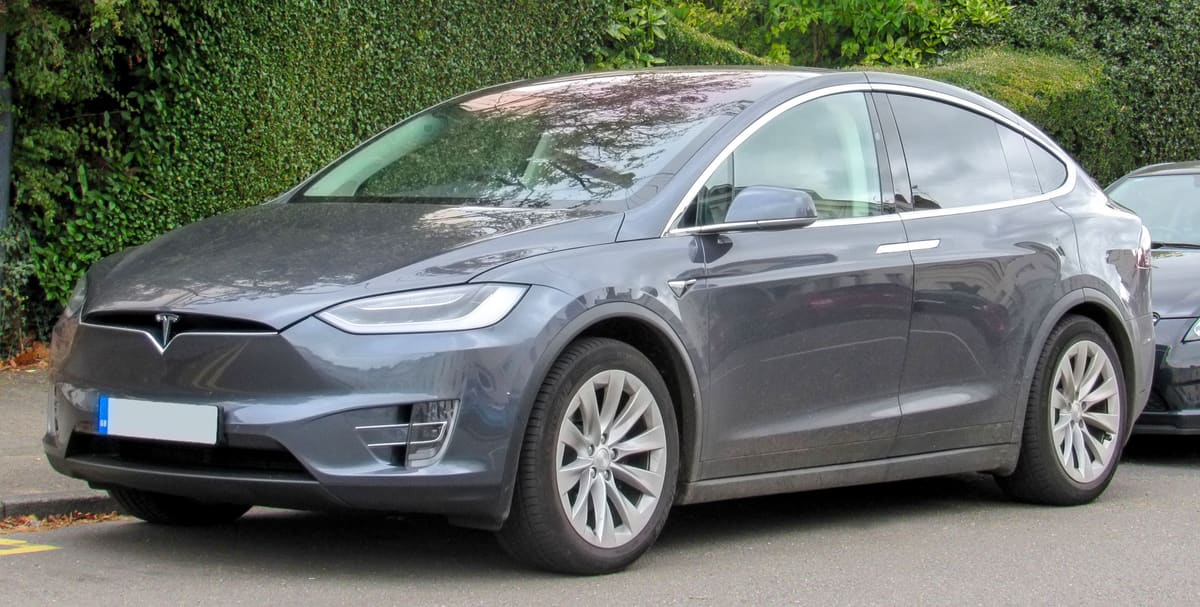
The Tesla Model X is an innovative electric SUV, but it is not without its issues. Common problems include electrical faults, build quality concerns, and drivetrain issues.
Electrical Issues
Electrical problems are among the most frequently reported issues with the Tesla Model X. Owners have experienced various faults, including malfunctioning touchscreen displays and issues with the vehicle’s software. These problems can lead to a loss of functionality in key features, such as navigation and climate control.
Many users have reported that the central touchscreen can become unresponsive or display errors, which can be frustrating. Additionally, software updates, while intended to improve performance, can sometimes introduce new bugs. Regularly updating the software can help mitigate some of these issues, but persistent problems may require a visit to a service centre.
Build Quality Concerns
Build quality has been a notable concern for many Model X owners. Reports indicate that some vehicles may have inconsistent panel gaps, misaligned doors, and paint imperfections. These issues can detract from the overall aesthetic appeal of the vehicle and may raise questions about the manufacturing process.
While Tesla has made strides in improving build quality over the years, early models were particularly prone to these issues. Prospective buyers should inspect any used Model X carefully for these faults, as they can impact both the vehicle’s appearance and resale value. Addressing these concerns may require professional repairs, which can be costly.
Drivetrain Problems
The drivetrain of the Tesla Model X is generally reliable, but some owners have reported issues related to the electric motors and battery systems. Common complaints include reduced range and unexpected power loss, which can be alarming while driving. These problems may stem from software glitches or battery management system failures.
Battery performance can vary significantly depending on driving habits and environmental conditions. Owners should monitor their vehicle’s range and charging behaviour, as irregularities could indicate underlying issues. Regular maintenance and software updates can help optimise the drivetrain’s performance and prolong battery life.
Suspension and Steering Issues
Another area of concern for Model X owners is the suspension and steering system. Some drivers have reported problems such as excessive noise from the suspension components and difficulty in steering response. These issues can affect the overall driving experience and may require attention from a qualified technician.
The air suspension system, while providing a smooth ride, can also be prone to leaks or failures. Owners should be vigilant about any unusual noises or handling characteristics and seek professional advice if problems arise. Addressing suspension issues promptly can help ensure a safe and comfortable driving experience.
Autopilot and Safety Features
The Tesla Model X is equipped with advanced Autopilot and safety features, but these systems are not without their faults. Some users have experienced issues with the Autopilot system disengaging unexpectedly or failing to recognise road signs and lane markings. These problems can compromise the effectiveness of the vehicle’s semi-autonomous capabilities.
While Tesla continuously updates its software to improve these features, users should remain cautious and attentive while using Autopilot. Regularly checking for software updates and understanding the limitations of the system can enhance safety and performance. If persistent issues occur, consulting with Tesla support may be necessary.
Battery and Charging Concerns
Battery-related issues are a common concern for electric vehicle owners, and the Tesla Model X is no exception. Some drivers have reported problems with charging, including slow charging speeds and difficulties connecting to charging stations. These issues can be frustrating, especially on long journeys.
Battery health is crucial for the longevity of the Model X. Owners should monitor their battery’s performance and charging habits to ensure optimal function. Regular maintenance and software updates can help address some charging issues, but persistent problems may require professional diagnosis and repair.
Tesla Model X recall record
8 recalls have been issued for the Tesla Model X, between 2017 and 2025.
Loss of Rearview Camera Display Recall
R/2025/049Issued 28 March 2025
On a small percentage of affected vehicles upon vehicle power up the car computer board may experience a short resulting in the loss of rear view camera functionality .
Remedy:Over the air software update or Car Computer replacement if necessary.
Affects cars built Jun 2024 to Jun 2024
Update Vehicle Firmware To Restore Post-Crash eCall Functionality
R/2025/075Issued 7 March 2025
On affected vehicles the eCall audio system will not operate in compliance with Regulations when the front passenger seat is occupied. As a result communications between the occupants of the vehicle and an eCall public safety answer point are unavailable post-crash.
Remedy:Install modified software via an Over the Air (OTA) wireless update.
Affects cars built Feb 2023 to Jul 2024
A first-row seat belt was disconnected from its pretensioner anchor as part of a necessary step to perform a repair during a service visit. After the repair was completed on certain affected vehicles the first-row seat belt may not have been reconnected to its pretensioner anchor to specification.
R/2023/350Issued 15 December 2023
A first-row seat belt was disconnected from its pretensioner anchor as part of a necessary step to perform a repair during a service visit. After the repair was completed on certain affected vehicles the first-row seat belt may not have been reconnected to its pretensioner anchor to specification.
Remedy:Inspect and re-install.
Affects cars built Mar 2023 to Mar 2023
On certain MY 2021-2023 Model X vehicles the vehicle controller that detects the sensor voltage that indicates brake fluid level may not have a sufficient threshold range at low fluid levels. A vehicle controller that does not correctly indicate low brake fluid levels to the customer
R/2023/351Issued 15 December 2023
On certain MY 2021-2023 Model X vehicles the vehicle controller that detects the sensor voltage that indicates brake fluid level may not have a sufficient threshold range at low fluid levels. A vehicle controller that does not correctly indicate low brake fluid levels to the customer
Remedy:Owners of affected vehicles only need to install OTA (over the air) software release 2023.32.7 or a later software release No service visit is necessary
Affects cars built Feb 2021 to Sept 2023
4 older recalls not shown.
A recall applies to a build range, not to every car of this model. Check a registration to see whether one specific vehicle has an outstanding recall.
Tesla Model X MOT record
From 6,063 recorded MOT tests, 19.7% failed.
| Registered | Tests | Failed | Median mileage |
|---|---|---|---|
| 2020 | 1,437 | 19.4% | 49,270 mi |
| 2019 | 1,201 | 19.6% | 55,682 mi |
| 2018 | 1,409 | 18.9% | 64,532 mi |
| 2017 | 2,016 | 20.5% | 73,435 mi |
Most common reasons for failure
- Tyre tread depth not in accordance with the requirements36.6%
- A tyre cords visible or damaged19.1%
- A suspension pin, bush or joint excessively worn18.4%
- A tyre seriously damaged15.6%
- a brake lining or pad worn below 1.5mm10.3%
Figures cover every Tesla Model X tested in the DVSA dataset, not this specific car. Check a registration for the actual history of one vehicle.
Tesla Model X official figures
Median across 2 variants on sale, electricity.
- Electric range
- 347.5 miles
- Manufacturer WLTP figure
Official figures for new cars. Real economy varies with driving, load and conditions.
Frequently asked questions
What are the most common issues reported with the Tesla Model X?
Common issues include problems with the falcon wing doors, battery performance, and software glitches. Some owners also report issues with the air suspension system.
How reliable is the Tesla Model X compared to other electric vehicles?
The Tesla Model X generally has a good reliability rating, but it can experience unique issues due to its advanced technology. It's important to consider user reviews and reliability ratings when comparing it to other electric vehicles.
Are there any recalls for the Tesla Model X?
Recalls are issued against individual vehicles rather than a model as a whole, so a model-level yes or no would be guesswork. Enter the registration on Honest Car Check and we check the DVSA record for that specific car. Where DVSA holds no status, confirm it with a franchised dealer using the VIN.
What should I do if my Model X has a software issue?
If you experience a software issue, try restarting the touchscreen or performing a software update. If the problem persists, contact Tesla support for assistance.
How can I maintain my Tesla Model X to avoid common problems?
Regular maintenance, including software updates and checking the air suspension, can help prevent common issues. Additionally, keeping the vehicle clean and ensuring proper battery care is essential.
Is the battery life of the Tesla Model X a concern?
While the battery life of the Tesla Model X is generally good, some owners have reported reduced range over time. Regular charging and following Tesla's battery care guidelines can help maintain battery health.
What are the signs of air suspension problems in the Model X?
Signs of air suspension problems include unusual noises, a rough ride, or the vehicle sitting lower than normal. If you notice these symptoms, it is best to have it checked by a professional.
Can I fix common Tesla Model X problems myself?
Some minor issues, like software resets, can be done by the owner. However, for more complex problems, it is recommended to seek help from a qualified technician or Tesla service centre.
Sources
- DVSA anonymised MOT tests and results (Open Government Licence v3.0)
- VCA new car fuel consumption and emissions data (Open Government Licence v3.0)
- DVSA vehicle safety recalls (Open Government Licence v3.0)