Top fixes
Top Vauxhall Mokka fixes every owner should know
Cheap, practical fixes for the Vauxhall Mokka faults you actually meet, with rough costs and what a garage will charge.
Updated 4th September 2026 DVSA data: Across 251,085 recorded MOT tests, 25.5% failed.
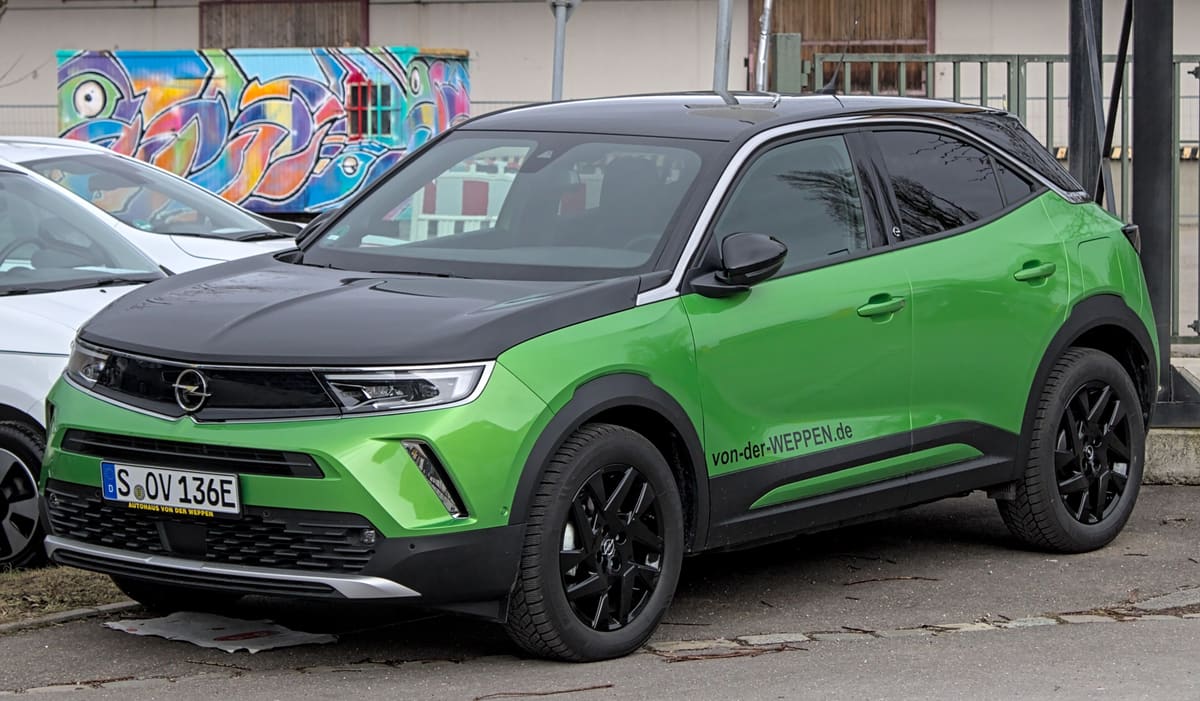
The Vauxhall Mokka is generally reliable but can develop some common issues that require attention. Practical fixes often involve addressing warning lights, suspension noise, or electrical quirks. Some repairs are straightforward enough for DIY enthusiasts, while others need a garage’s expertise and diagnostic tools to ensure proper resolution.
Engine Warning Lights and Misfires
If the engine warning light appears on your Mokka’s dashboard, it often signals an issue like a misfire or sensor fault. The cause could be worn spark plugs, faulty ignition coils, or a dirty air filter. Diagnosing the exact fault usually requires an OBD-II scanner.
Replacing spark plugs and air filters is a relatively simple DIY job if you have basic tools and some mechanical knowledge. Ignition coil replacement is a bit more involved but still manageable for a competent DIYer. However, if the warning light persists or the engine runs roughly, it’s best to visit a garage for a thorough diagnostic and repair.
Suspension Noise and Rough Ride
Owners sometimes report clunks or creaks from the suspension, especially over bumps or uneven surfaces. This typically points to worn suspension bushes, ball joints, or shock absorbers. These components wear out over time and affect ride comfort and handling.
Replacing suspension bushes or shock absorbers requires lifting the car and removing wheel and suspension components, which can be tricky without the right equipment. This is generally a garage job due to the need for specialist tools and wheel alignment after repairs. However, if you are confident with car maintenance and have access to a ramp or lift, changing shock absorbers can be a DIY task.
Electrical Glitches and Central Locking Issues
Electrical niggles such as malfunctioning central locking, erratic dashboard displays, or faulty infotainment systems can occur. These are often caused by loose wiring connections, failing fuses, or software glitches.
Checking and replacing fuses is a straightforward DIY fix. Resetting the infotainment system by disconnecting the battery for a few minutes can sometimes clear software bugs. For more complex electrical faults, such as wiring repairs or module replacements, a garage with diagnostic equipment is recommended to avoid causing further issues.
Brake Squeal and Reduced Performance
Brake noise, especially squealing or grinding, is a common concern and usually indicates worn brake pads or glazed discs. Reduced braking performance can also result from air in the brake lines or a failing brake caliper.
Replacing brake pads is a DIY job for those with experience and the correct tools, but it requires care and safety precautions. Resurfacing or replacing discs and bleeding the brake system is more involved and generally better left to professionals. If you notice persistent brake noise or a spongy brake pedal, have the brakes inspected promptly by a garage.
Battery Drain and Starting Problems
Some Mokka owners experience battery drain or difficulty starting the engine, often due to parasitic electrical draws or an ageing battery. Corroded battery terminals or a failing alternator can also cause these symptoms.
Cleaning battery terminals and checking the battery’s charge level is a simple DIY task. Replacing the battery is straightforward if you follow safety guidelines. Diagnosing alternator faults or parasitic drains requires specialist tools and knowledge, so a garage visit is advisable if basic checks do not resolve the problem.
Interior Wear and Tear Fixes
The Mokka’s interior materials can show wear, such as peeling trim, loose panels, or worn seat fabric. These issues do not affect drivability but impact comfort and appearance.
Small trim pieces can often be reattached or replaced by owners using basic tools and replacement clips or adhesives. Seat fabric repairs or upholstery cleaning can be DIY but may require professional help for extensive damage. For electronic interior components like window switches or seat heaters, a garage is recommended to ensure proper diagnosis and repair.
Vauxhall Mokka recall record
26 recalls have been issued for the Vauxhall Mokka, between 2013 and 2026.
Alternator protection
R/2026/072Issued 9 March 2026
Affected vehicles may have been assembled with contact or with a reduced clearance between the Gasoline Particulate Filter pipe and the pole protection cap of the 48V Belt Starter Generator. There is a possibility of contact between these components leading to water infiltration and an electrical arch which could trigger a thermal event.
Remedy:Replace the pole protection cap of the 48V Belt Starter Generator. Check the distance between the Gasoline Particulate Filter pipe and the pole protection cap of the 48V Belt Starter Generator and re‑position or replace the pipe if required.
Affects cars built Feb 2024 to Jan 2026
Vauxhall cross carline Driver’s Airbag - Takata
R/2025/511Issued 1 December 2025
On affected vehicles the chemicals in the Takata airbag inflators may deteriorate over time. This may cause the inflators to rupture with too much force in a crash leading to serious injury or death in a worst-case scenario.
Remedy:Replace the driver airbag module.
Affects cars built Dec 2011 to Jun 2018
Vauxhall Corsa Mokka Combo ESC software
R/2025/451Issued 22 October 2025
Affected vehicles may have incorrect or missing tyre pressure messages displayed in the instrument cluster due to a software deviation.
Remedy:Update the Electric Stability Control calibration to ensure the correct tyre pressure warning messages are displayed
Affects cars built Jan 2025 to Jun 2025
Vauxhall Mokka BCM software Stop /Start System.
R/2025/416Issued 29 September 2025
On affected vehicles the engine will run all the time and will not shut off in start/stop mode due to incorrect Body Control Module coding.
Remedy:Update the Body Control Module software.
Affects cars built Sept 2024 to May 2025
22 older recalls not shown.
A recall applies to a build range, not to every car of this model. Check a registration to see whether one specific vehicle has an outstanding recall.
Vauxhall Mokka MOT record
From 251,085 recorded MOT tests, 25.5% failed.
| Registered | Tests | Failed | Median mileage |
|---|---|---|---|
| 2023 | 1,376 | 6.8% | 16,806 mi |
| 2022 | 22,226 | 8.4% | 20,028 mi |
| 2021 | 12,674 | 13.1% | 26,082 mi |
| 2019 | 21,906 | 17.6% | 38,233 mi |
| 2018 | 31,320 | 24.1% | 45,637 mi |
| 2017 | 36,327 | 27.3% | 53,223 mi |
| 2016 | 39,439 | 31.2% | 60,702 mi |
| 2015 | 42,076 | 30.8% | 67,349 mi |
Most common reasons for failure
- A suspension joint dust cover missing or no longer prevents the ingress of dirt etc24.3%
- Tyre tread depth not in accordance with the requirements22.8%
- A tyre seriously damaged19.8%
- A suspension pin, bush or joint excessively worn17.6%
- A spring or spring component fractured or seriously weakened15.5%
Figures cover every Vauxhall Mokka tested in the DVSA dataset, not this specific car. Check a registration for the actual history of one vehicle.
Vauxhall Mokka official figures
Median across 44 variants on sale, electricity, petrol, petrol electric.
- Combined economy
- 48.6 mpg
- WLTP median across variants
- CO2 emissions
- 131 g/km
- Sets the first-year tax rate
- Electric range
- 227 miles
- Manufacturer WLTP figure
Official figures for new cars. Real economy varies with driving, load and conditions.
Frequently asked questions
What are common faults with the Vauxhall Mokka?
Common faults include electrical issues, water leaks, and suspension problems.
Is it easy to fix electrical issues in the Mokka?
Some electrical issues can be DIY fixes, while others may require professional help.
Are there any temporary fixes for Mokka faults?
Temporary fixes exist, but it is better to address the underlying issues for long-term reliability.
Sources
- DVSA anonymised MOT tests and results (Open Government Licence v3.0)
- VCA new car fuel consumption and emissions data (Open Government Licence v3.0)
- DVSA vehicle safety recalls (Open Government Licence v3.0)