Top fixes
Top Volkswagen Polo fixes every owner should know
Cheap, practical fixes for the Volkswagen Polo faults you actually meet, with rough costs and what a garage will charge.
Updated 4th September 2026 DVSA data: Across 625,219 recorded MOT tests, 26.9% failed.
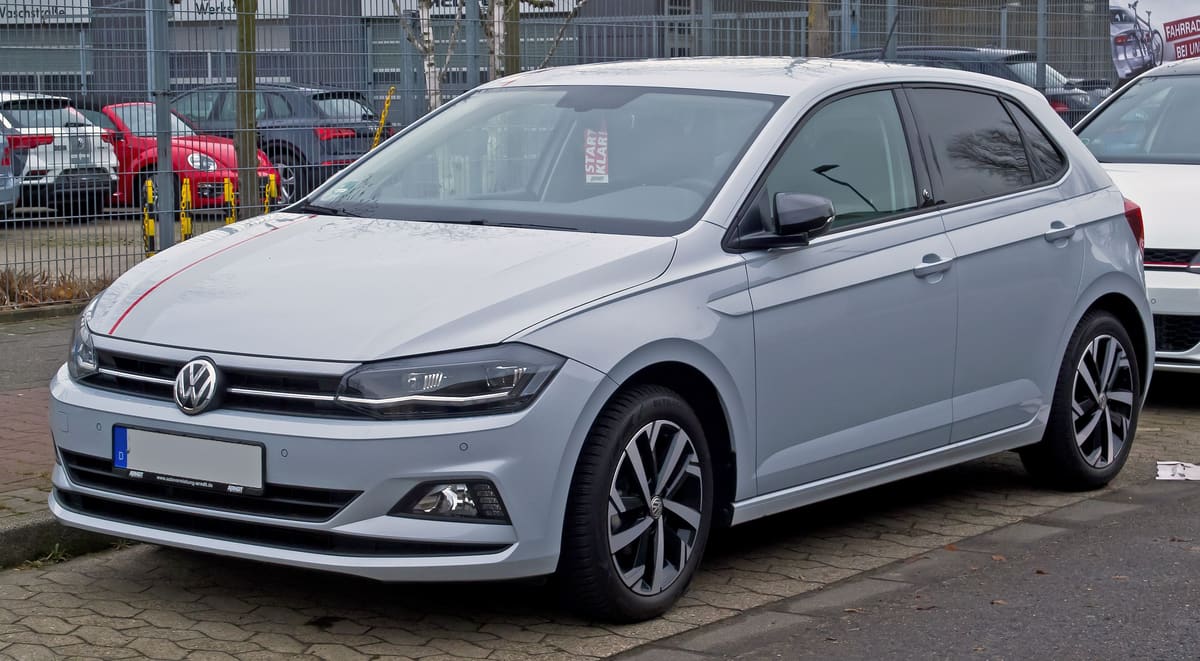
Volkswagen Polo owners often face a handful of common issues that can be resolved with straightforward fixes. From electrical glitches to suspension wear, many problems are manageable with basic tools and some mechanical know-how, though certain repairs require professional attention. Understanding the symptom, cause, and repair approach helps keep your Polo reliable and safe.
Electrical Issues and Dashboard Warning Lights
Electrical faults in the Polo frequently manifest as warning lights on the dashboard, such as the engine management light or ABS warning. These symptoms often stem from sensor failures, wiring issues, or battery and alternator problems. Diagnosing the exact cause usually requires a diagnostic scanner.
Common culprits include faulty oxygen sensors, mass airflow sensors, or wheel speed sensors. Sometimes, loose or corroded battery terminals cause intermittent electrical faults. Repair involves replacing defective sensors or cleaning and tightening connections. While replacing sensors is a straightforward DIY task for those comfortable with basic tools, diagnosing electrical faults without a scanner is challenging. Therefore, a garage visit is often necessary to pinpoint the problem accurately.
Battery and alternator checks are simpler DIY tasks. Cleaning battery terminals and ensuring tight connections can resolve some issues. If the battery or alternator is faulty, replacement may be needed, which can be done at home with care or by a professional.
Suspension and Steering Wear
Over time, Polo owners may notice clunks, rattles, or uneven tyre wear indicating suspension or steering component wear. Common symptoms include knocking noises over bumps or vague steering feel. The likely causes are worn ball joints, track rod ends, or shock absorbers.
Replacing worn suspension bushes or ball joints requires lifting the car safely and removing components, which can be moderately challenging. Shock absorber replacement is more straightforward but needs the correct tools and safety precautions. DIY enthusiasts with experience and a workshop manual can tackle these repairs, but many prefer a garage for the complexity and safety considerations.
Regular inspection of suspension components is advisable, especially after hitting potholes or kerbs. Early replacement prevents further damage and maintains handling safety.
Clutch and Gearbox Troubles
Manual Polo models sometimes experience clutch judder, slipping, or difficulty engaging gears. These symptoms usually point to clutch wear or hydraulic system issues. The clutch disc, pressure plate, or release bearing may be worn, or the hydraulic slave/master cylinder could be leaking or failing.
Clutch replacement is a labour-intensive job involving removing the gearbox, making it a garage job for most owners. However, bleeding the clutch hydraulic system to remove air bubbles is a simpler DIY task that can resolve engagement problems.
For automatic Polo models, gearbox issues may present as rough shifting or hesitation. These require professional diagnosis and repair, often involving fluid changes or component replacement.
Cooling System and Overheating
Overheating or coolant leaks are common concerns in older Polos. Symptoms include rising temperature gauge readings or visible coolant puddles under the car. Causes range from leaking hoses, radiator faults, to thermostat or water pump failures.
Inspecting hoses for cracks or loose clamps is a simple DIY check. Replacing a faulty hose or tightening clamps is also manageable at home. However, replacing the water pump or thermostat involves draining the cooling system and removing engine components, which is better suited to a garage.
Regular coolant level checks and timely replacement help prevent overheating and costly repairs. If overheating occurs, it is important to stop driving and investigate promptly to avoid engine damage.
Brake Wear and Noise
Brake issues in the Polo often present as squealing, reduced stopping power, or a spongy brake pedal. These symptoms generally indicate worn brake pads, discs, or air in the brake lines.
Replacing brake pads is a common DIY job for those with basic mechanical skills and the right tools. It involves removing the wheels, compressing the caliper pistons, and fitting new pads. Brake disc replacement is more involved but still possible for experienced DIYers.
If the brake pedal feels spongy, bleeding the brakes to remove air is necessary and can be done at home with a helper. However, any sign of brake fluid leaks or persistent pedal issues should be checked by a garage immediately, as brake safety is critical.
Interior and Electrical Accessories
Some Polo owners report issues with electric windows, central locking, or infotainment systems. Symptoms include windows not moving, locks failing to operate, or screen glitches.
Window regulator failures or blown fuses are common causes. Replacing a window regulator requires removing door panels and is a moderate DIY task. Checking and replacing fuses is straightforward and safe for most owners.
Central locking faults may be due to faulty actuators or wiring problems. Diagnosing these often needs professional tools, but simple fixes like replacing a key fob battery or checking fuse boxes can be done at home.
Infotainment glitches may resolve with software resets or battery disconnections. More complex faults require dealer-level diagnostics.
Understanding these common Volkswagen Polo issues and their fixes helps owners decide when to tackle repairs themselves and when to seek professional help. Regular maintenance and early attention to symptoms will keep the Polo running smoothly and safely.
Volkswagen Polo MOT record
From 625,219 recorded MOT tests, 26.9% failed.
| Registered | Tests | Failed | Median mileage |
|---|---|---|---|
| 2023 | 839 | 4.7% | 17,914 mi |
| 2022 | 22,030 | 6.4% | 20,140 mi |
| 2021 | 29,271 | 8.5% | 26,794 mi |
| 2020 | 25,865 | 10.3% | 31,801 mi |
| 2019 | 36,136 | 17.8% | 39,300 mi |
| 2018 | 43,140 | 21.8% | 46,137 mi |
| 2017 | 45,356 | 20.1% | 50,941 mi |
| 2016 | 51,259 | 21.8% | 58,269 mi |
Most common reasons for failure
- Tyre tread depth not in accordance with the requirements30.1%
- A suspension pin, bush or joint excessively worn26.2%
- A tyre seriously damaged20.4%
- A shock absorber damaged to the extent that it does not function or showing signs of severe leakage11.9%
- A spring or spring component fractured or seriously weakened11.3%
Figures cover every Volkswagen Polo tested in the DVSA dataset, not this specific car. Check a registration for the actual history of one vehicle.
Volkswagen Polo official figures
Median across 24 variants on sale, petrol.
- Combined economy
- 51.4 mpg
- WLTP median across variants
- CO2 emissions
- 124.5 g/km
- Sets the first-year tax rate
Official figures for new cars. Real economy varies with driving, load and conditions.
Frequently asked questions
What are common faults in the Volkswagen Polo?
Common faults include faulty ignition coils, water pump leaks, and issues with the air conditioning system.
Can I fix these issues myself?
Many of these fixes can be done at home with basic tools, but some may require a garage.
Are these fixes temporary or permanent?
Some fixes are temporary patches, while others provide a long-term solution.
Sources
- DVSA anonymised MOT tests and results (Open Government Licence v3.0)
- VCA new car fuel consumption and emissions data (Open Government Licence v3.0)