Running costs
Volkswagen Polo running costs: what UK ownership really costs
Volkswagen Polo UK running costs: fuel or electric, insurance group, road tax, servicing and depreciation.
Updated 18th September 2026 DVSA data: Across 625,219 recorded MOT tests, 26.9% failed.
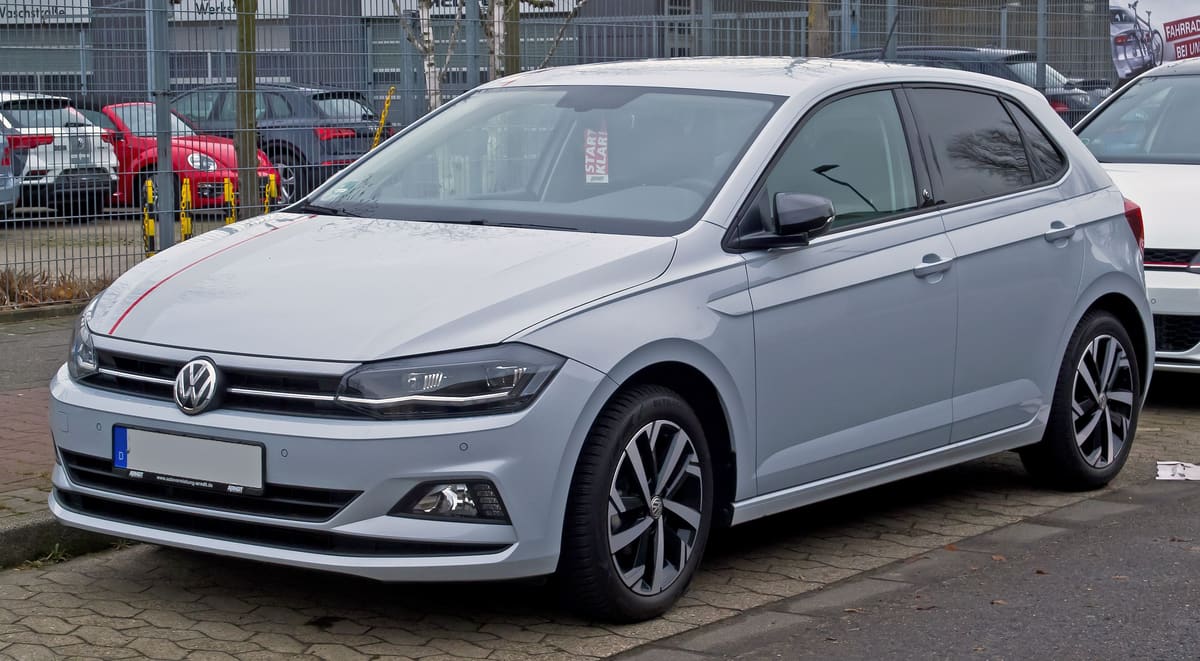
The Volkswagen Polo’s running costs are influenced by factors such as its tax band, insurance group, servicing needs, and depreciation. Its efficient engines and compact size generally keep fuel and maintenance expenses reasonable. Insurance costs depend on the model’s safety features and engine size, while its strong residual values help reduce overall ownership costs.
Vehicle Tax and Its Impact on Running Costs
The cost of vehicle tax for the Volkswagen Polo depends primarily on its engine type and emissions. Petrol and diesel variants are taxed differently, with lower-emission models attracting reduced rates. The government’s tax bands are designed to encourage cleaner vehicles, so choosing a Polo with a smaller engine or a newer, more efficient powertrain can lower annual tax payments.
Tax is calculated based on CO2 emissions for petrol and diesel cars registered after a certain date, with older models subject to different rules. Electric or hybrid versions, if available, may benefit from reduced or zero tax rates, reflecting government incentives to promote greener vehicles. Checking the official government website will provide the exact tax band for the specific Polo variant you are considering.
Insurance Group and What Affects It
Insurance premiums for the Volkswagen Polo are influenced by the insurance group it falls into, which is determined by factors such as engine size, performance, repair costs, and safety features. Smaller engines and models with advanced safety equipment typically belong to lower insurance groups, resulting in more affordable premiums.
The Polo’s reputation for reliability and its widespread availability of parts can also help keep insurance costs down. However, sportier trims or those with larger engines may be placed in higher groups, increasing premiums. Drivers’ personal details, including age, location, and driving history, also play a significant role in the final insurance quote.
Servicing and Maintenance Demands
The Volkswagen Polo is generally regarded as a straightforward car to service, with routine maintenance tasks like oil changes, brake checks, and tyre replacements being relatively standard. The availability of parts and the car’s widespread popularity mean servicing is unlikely to be prohibitively expensive.
Service intervals vary depending on the engine and model year, but regular scheduled maintenance is essential to keep running costs manageable and maintain reliability. Some Polo variants may require more frequent servicing or specific checks, such as timing belt replacements, so it’s important to consult the manufacturer’s service schedule for the exact requirements of the model you own or plan to buy.
Fuel Economy and Running Efficiency
Fuel costs form a significant part of the Polo’s running expenses. Its compact size and efficient engines generally contribute to good fuel economy, especially in urban driving conditions. Smaller petrol engines tend to be more economical for city use, while diesel options may offer better efficiency on longer journeys.
Driving style and conditions will affect fuel consumption, so owners who maintain steady speeds and avoid aggressive acceleration can expect lower running costs. It is advisable to check the specific fuel economy figures for the trim and engine variant you are interested in, as these can vary considerably.
Depreciation and Residual Value
The Volkswagen Polo tends to hold its value reasonably well compared to other superminis, thanks to its strong brand reputation and broad appeal. Models with popular engine options and trim levels generally experience slower depreciation, which can reduce the overall cost of ownership.
Factors such as mileage, condition, and service history will influence resale value, as with any car. Keeping the Polo well maintained and choosing sought-after specifications can help maximise its residual value. The car’s practicality and reliability also contribute to sustained demand in the used car market.
Tyres and Other Running Costs
Tyre wear and replacement costs are another consideration when running a Volkswagen Polo. The car’s size means it uses smaller tyres, which are typically less expensive than those for larger vehicles. Choosing standard tyre sizes and avoiding premium brands can help keep replacement costs down.
Other running costs include items like brake pads and discs, which wear depending on driving style and conditions. The Polo’s design allows for relatively straightforward maintenance of these components, helping to keep repair bills manageable. Regular checks and timely replacements are important to avoid more costly repairs later on.
Volkswagen Polo MOT record
From 625,219 recorded MOT tests, 26.9% failed.
| Registered | Tests | Failed | Median mileage |
|---|---|---|---|
| 2023 | 839 | 4.7% | 17,914 mi |
| 2022 | 22,030 | 6.4% | 20,140 mi |
| 2021 | 29,271 | 8.5% | 26,794 mi |
| 2020 | 25,865 | 10.3% | 31,801 mi |
| 2019 | 36,136 | 17.8% | 39,300 mi |
| 2018 | 43,140 | 21.8% | 46,137 mi |
| 2017 | 45,356 | 20.1% | 50,941 mi |
| 2016 | 51,259 | 21.8% | 58,269 mi |
Most common reasons for failure
- Tyre tread depth not in accordance with the requirements30.1%
- A suspension pin, bush or joint excessively worn26.2%
- A tyre seriously damaged20.4%
- A shock absorber damaged to the extent that it does not function or showing signs of severe leakage11.9%
- A spring or spring component fractured or seriously weakened11.3%
Figures cover every Volkswagen Polo tested in the DVSA dataset, not this specific car. Check a registration for the actual history of one vehicle.
Volkswagen Polo official figures
Median across 24 variants on sale, petrol.
- Combined economy
- 51.4 mpg
- WLTP median across variants
- CO2 emissions
- 124.5 g/km
- Sets the first-year tax rate
Official figures for new cars. Real economy varies with driving, load and conditions.
Frequently asked questions
What should I check to keep my Volkswagen Polo's fuel economy reasonable?
Regularly inspecting the air filter is important as a clogged filter can reduce fuel efficiency. Also, ensure the tyre pressures are correct since underinflated tyres increase rolling resistance and fuel consumption.
How often does the Volkswagen Polo need its timing belt replaced?
The timing belt replacement interval varies by engine type, so check your specific Polo's service schedule. A worn timing belt can cause severe engine damage if it fails, so it’s crucial to follow the recommended replacement procedure.
Are there any warning lights specific to the Polo that I should watch out for?
The engine management light can indicate issues with components like the oxygen sensor or fuel injectors. If this light appears, it’s best to have the car diagnosed promptly to avoid further damage.
What routine maintenance helps control the running costs of a Volkswagen Polo?
Changing the engine oil and oil filter at regular intervals helps maintain engine health and efficiency. Additionally, checking the brake pads for wear can prevent more expensive repairs later on.
Does the Volkswagen Polo require special tyres that affect running costs?
The Polo typically uses standard all-season tyres, but choosing tyres with a low rolling resistance rating can help reduce fuel consumption. Always check the tyre size and specification recommended for your trim.
How can I tell if the clutch on my Volkswagen Polo needs attention?
If you notice slipping when accelerating or a spongy clutch pedal feel, it could indicate clutch wear. A garage can inspect the clutch plate and pressure plate to determine if replacement is necessary.
Is servicing the Volkswagen Polo expensive compared to other small cars?
Servicing costs depend on the specific engine and trim, but routine jobs like replacing spark plugs or brake discs are straightforward. Volkswagen parts are widely available, which can help keep maintenance manageable.
What impact does the Polo’s diesel particulate filter have on running costs?
Diesel models have a particulate filter that requires occasional regeneration to clear soot build-up. Short trips can prevent proper regeneration, so longer drives help maintain filter health and avoid costly cleaning.
Sources
- DVSA anonymised MOT tests and results (Open Government Licence v3.0)
- VCA new car fuel consumption and emissions data (Open Government Licence v3.0)