Top fixes
Alfa Romeo Giulia top fixes: how owners handle the common issues
Practical fixes for the common Alfa Romeo Giulia faults owners run into.
Updated 13th July 2026 DVSA data: Across 7,114 recorded MOT tests, 12.4% failed.
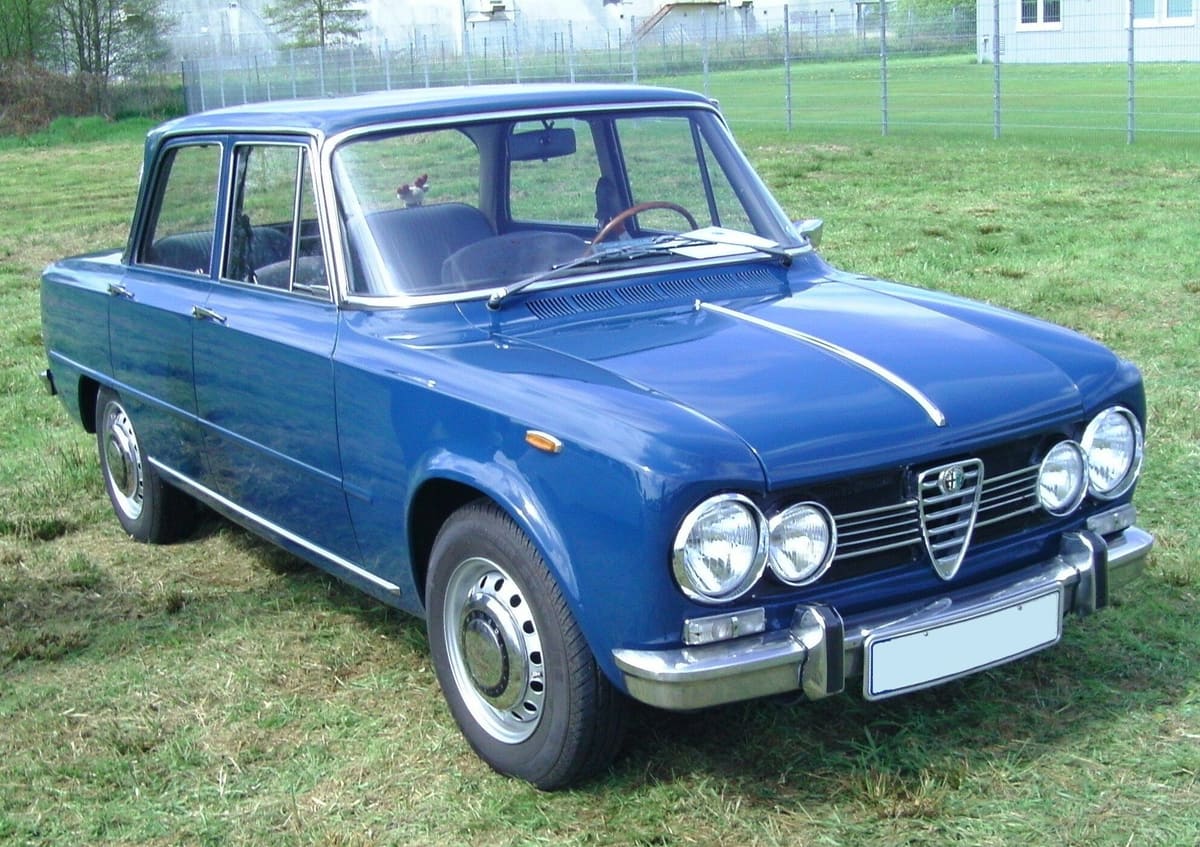
The Alfa Romeo Giulia is a stylish and dynamic saloon, but like any vehicle, it can encounter issues. Common problems include electrical glitches, suspension concerns, and engine performance hiccups. Here are practical fixes for the most frequently reported issues by Giulia owners.
Electrical Issues
Electrical problems are among the most commonly reported issues with the Alfa Romeo Giulia. Owners often experience issues with the infotainment system, dashboard warning lights, and battery drain.
For infotainment glitches, a software update from your local dealer can often resolve the problem. If dashboard lights persist, a diagnostic scan can pinpoint the fault, allowing for targeted repairs. Regularly checking battery connections and replacing the battery every few years can prevent unexpected drain.
Suspension Problems
Suspension issues can affect the Giulia’s handling and ride comfort. Owners have reported problems such as knocking noises and uneven tyre wear, often linked to worn suspension components.
To address these concerns, first inspect the shock absorbers and struts for leaks or damage. Replacing worn components can restore ride quality. Additionally, ensuring proper wheel alignment and regularly rotating tyres can help prevent uneven wear and prolong the life of your suspension system.
Engine Performance
Some Giulia owners have experienced engine performance issues, including rough idling and reduced power. These problems can often be traced back to fuel delivery or ignition system faults.
Regular servicing, including changing spark plugs and fuel filters, can significantly improve engine performance. If issues persist, a thorough diagnostic check can identify problems with sensors or injectors, allowing for precise repairs. Keeping an eye on oil levels and using high-quality fuel can also enhance engine efficiency.
Brake System Concerns
Braking issues can be a serious safety concern. Giulia owners have reported squeaking brakes, a spongy pedal feel, and reduced braking efficiency.
Regular inspection of brake pads and discs is essential. If you notice any unusual noises or a change in braking performance, it may be time to replace the pads or discs. Additionally, bleeding the brake lines can help restore pedal feel and ensure optimal braking performance.
Cooling System Problems
Overheating is a common concern for many car owners, including those with the Giulia. Issues with the cooling system can lead to engine damage if not addressed promptly.
Regularly checking coolant levels and inspecting hoses for leaks can prevent overheating. If you notice the temperature gauge rising, it is crucial to stop driving immediately and investigate the cause. Replacing a faulty thermostat or water pump can resolve many cooling system issues, ensuring your engine runs at the correct temperature.
Tyre Wear and Alignment
Tyre wear is another common issue reported by Giulia owners, often linked to improper alignment or suspension problems. Uneven tyre wear can lead to reduced grip and handling, affecting overall safety.
To combat this, regularly check tyre pressure and tread depth. If you notice uneven wear patterns, it’s advisable to have your wheel alignment checked. Regularly rotating your tyres can also help promote even wear, extending their lifespan and maintaining optimal performance on the road.
Alfa Romeo Giulia recall record
12 recalls have been issued for the Alfa Romeo Giulia, between 2018 and 2026.
Alfa Romeo Giulia cable (wiring harness) branch
R/2026/026Issued 13 February 2026
On affected vehicles due to a production nonconformity the wiring harness leading to the headlamp ECU could become damaged by tyre interference with the wheel arch liner which could result in error messages being displayed and a loss of headlamp low beam functionality.
Remedy:Inspect wiring harness and wheel arch liner for damage and repair or replace as necessary.
Affects cars built Jan 2024 to Dec 2024
Alfa Romeo Giulia and Stelvio. Lane Keep Assist acoustic signal
R/2025/496Issued 7 May 2025
Vehicle reliability and your safety are a major concern for Alfa Romeo. On a number of Alfa Romeo Giulia and Stelvio vehicles there is a requirement to update the software of the Instrument Panel Cluster. This is required to ensure that the acoustic emergency signal sounds after the Lane Keep Assist system is deactivated and ensure it complies with the regulatory requirements.
Remedy:The free of charge repair is the Alfa Romeo retailer will update the vehicle software. Alfa Romeo ref: F538.
Affects cars built Jan 2024 to Jul 2025
Affected vehicles equipped with the option BRM (carbon ceramic matrix brakes) may face a braking management issue due to unexpected control unit signals. This may potentially lead to a carbon ceramic disc rupture with a resultant risk of loss or degradation of braking performance.
R/2023/205Issued 11 July 2023
Affected vehicles equipped with the option BRM (carbon ceramic matrix brakes) may face a braking management issue due to unexpected control unit signals. This may potentially lead to a carbon ceramic disc rupture with a resultant risk of loss or degradation of braking performance.
Remedy:Reprogramme the BSM (Braking System Module) with updated Software.
Affects cars built Dec 2015 to Nov 2020
THE AUTOMATIC HEADLIGHT POSITION SENSORS MAY NOT HAVE BEEN CALIBRATED
R/2022/215Issued 9 September 2022
The automatic headlight position sensors may not have been calibrated and therefore the function does not comply with the requirements of ECE R48
Remedy:Recalibration of the automatic headlight position sensors and alignment of the headlights.
Affects cars built Nov 2020 to May 2022
8 older recalls not shown.
A recall applies to a build range, not to every car of this model. Check a registration to see whether one specific vehicle has an outstanding recall.
Alfa Romeo Giulia MOT record
From 7,114 recorded MOT tests, 12.4% failed.
| Registered | Tests | Failed | Median mileage |
|---|---|---|---|
| 2022 | 812 | 12.6% | 23,052 mi |
| 2021 | 656 | 12.0% | 28,384 mi |
| 2020 | 770 | 9.6% | 35,650 mi |
| 2019 | 1,439 | 11.5% | 43,326 mi |
| 2018 | 1,541 | 12.4% | 56,459 mi |
| 2017 | 1,896 | 14.1% | 62,319 mi |
Most common reasons for failure
- Tyre tread depth not in accordance with the requirements41.6%
- a brake lining or pad worn below 1.5mm16.1%
- Brake disc or drum excessively weakened, insecure or fractured15.2%
- A tyre seriously damaged13.8%
- A tyre cords visible or damaged13.3%
Figures cover every Alfa Romeo Giulia tested in the DVSA dataset, not this specific car. Check a registration for the actual history of one vehicle.
Alfa Romeo Giulia official figures
Median across 2 variants on sale, petrol.
- Combined economy
- 38.3 mpg
- WLTP median across variants
- CO2 emissions
- 167 g/km
- Sets the first-year tax rate
Official figures for new cars. Real economy varies with driving, load and conditions.
Frequently asked questions
What are common issues with the Alfa Romeo Giulia?
Common issues with the Alfa Romeo Giulia include electrical faults, problems with the infotainment system, and occasional gearbox issues. Regular maintenance can help mitigate these problems.
How can I tell if my Giulia needs a service?
Signs that your Giulia needs a service include warning lights on the dashboard, unusual noises, or a decrease in performance. It's also wise to follow the manufacturer's service schedule.
Are parts for the Alfa Romeo Giulia easy to find?
Yes, parts for the Alfa Romeo Giulia are generally available through authorised dealers and various online retailers. However, some specific components may take longer to source.
What should I check before buying a used Giulia?
Before buying a used Giulia, check the service history, look for any signs of damage, and ensure all electrical systems are functioning. A vehicle history check can also reveal any past accidents.
How reliable is the Alfa Romeo Giulia?
The Alfa Romeo Giulia has received mixed reviews regarding reliability. While many owners enjoy its performance, some have reported issues that may require attention.
What is the average cost of repairs for a Giulia?
Repair costs for the Alfa Romeo Giulia can vary widely depending on the issue and the garage. It's advisable to get quotes from multiple mechanics to ensure you receive a fair price.
Is it worth getting an extended warranty for a Giulia?
An extended warranty can provide peace of mind for Giulia owners, especially given some reported issues. It can help cover unexpected repair costs, making it a worthwhile consideration.
How often should I change the oil in my Giulia?
It's recommended to change the oil in your Alfa Romeo Giulia every 12,000 miles or annually, whichever comes first. Regular oil changes help maintain engine performance and longevity.
What year to avoid Alfa Romeo Giulia?
Some owners suggest avoiding the early models from 2016 due to initial quality control issues. It's advisable to look for later models that have benefited from improvements and updates.
How long will the Alfa Romeo Giulia engine last?
With proper maintenance, most Alfa Romeo Giulias can last 150,000 to 200,000 miles or more. Regular servicing and timely repairs are essential to achieving a long engine life.
Sources
- DVSA anonymised MOT tests and results (Open Government Licence v3.0)
- VCA new car fuel consumption and emissions data (Open Government Licence v3.0)
- DVSA vehicle safety recalls (Open Government Licence v3.0)