Running costs
Alfa Romeo Giulia running costs: what UK ownership really costs
Alfa Romeo Giulia UK running costs: fuel or electric, insurance group, road tax, servicing and depreciation.
Updated 4th September 2026 DVSA data: Across 7,114 recorded MOT tests, 12.4% failed.
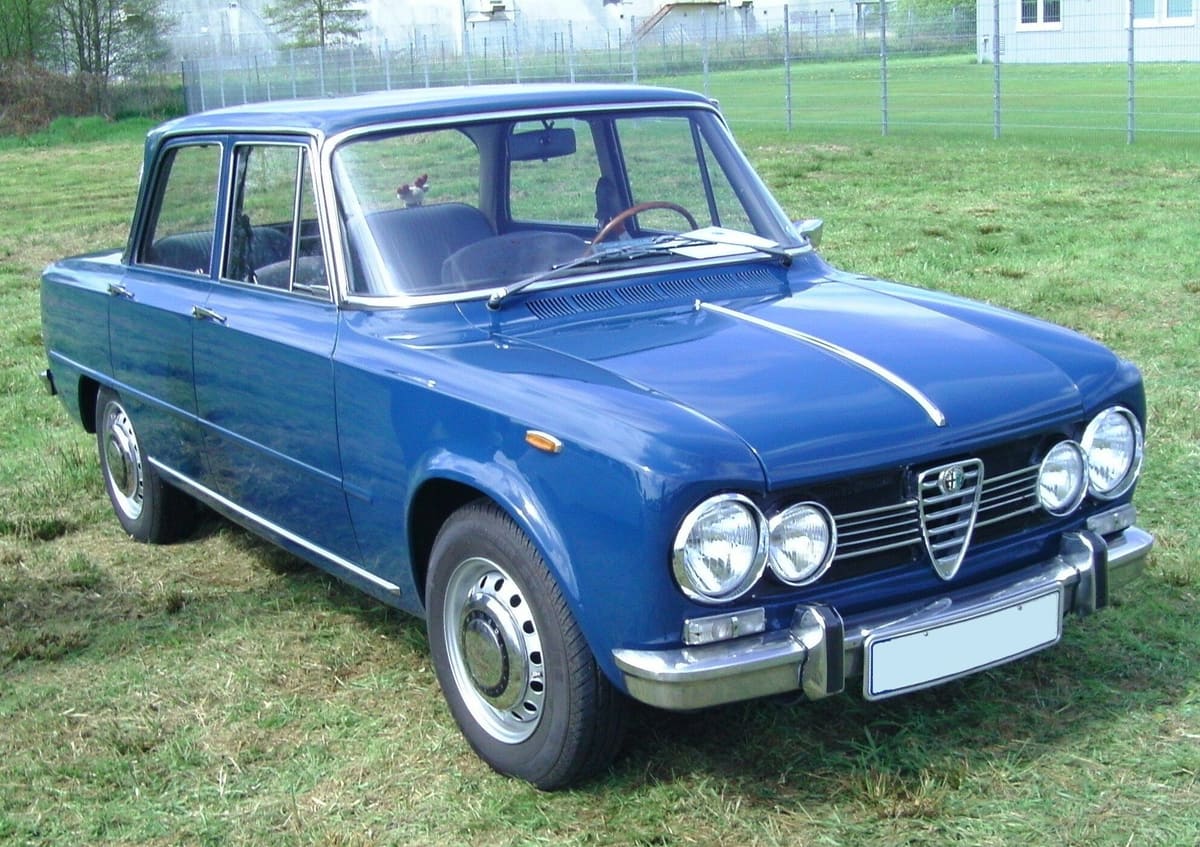
The Alfa Romeo Giulia offers a blend of performance and style, but running costs can vary significantly. Insurance groups range from 30 to 47, while road tax is typically in bands D to H. Servicing intervals are every 12,000 miles or annually, and depreciation can be steep, with values dropping by around 50% after three years.
Fuel Costs
Fuel costs for the Alfa Romeo Giulia depend on the engine choice. The choice between petrol and diesel can significantly influence your running costs, with diesel often being more economical for longer journeys.
When calculating fuel costs, consider the current petrol and diesel prices in the UK, which can fluctuate.
Insurance Groups
Insurance for the Alfa Romeo Giulia can be relatively high, reflecting its performance credentials and desirability. The insurance groups vary from 30 to 47, depending on the specific model and trim level. Higher performance models, such as the Quadrifoglio, will naturally fall into the higher insurance brackets.
When choosing your Giulia, consider the insurance implications of each variant. It is advisable to shop around for quotes as premiums can vary significantly between providers. Additionally, factors such as your driving history, location, and age will also influence your insurance costs.
Road Tax
Road tax for the Alfa Romeo Giulia is determined by its CO2 emissions, placing it in tax bands D to H. For example, the lower-emission diesel engines will typically incur lower tax costs compared to the more powerful petrol variants.
It is essential to factor in road tax when budgeting for your Giulia ownership. The first-year tax rate can be higher for new vehicles, but subsequent years will generally fall into the standard tax band. Always check the specific emissions figures for the model you are considering to get an accurate tax estimate.
Servicing Intervals
The Alfa Romeo Giulia has recommended servicing intervals of 12,000 miles or annually, whichever comes first. Regular servicing is crucial to maintain the performance and reliability of the vehicle. The cost of servicing can vary, but it is generally advisable to use an authorised dealer to ensure that your warranty remains intact.
Servicing costs can add up, so it is wise to budget accordingly. Standard services typically include oil changes, filter replacements, and checks on various systems. Additionally, the Giulia may require more extensive maintenance as it ages, so be prepared for potential costs associated with wear and tear.
Depreciation
Depreciation is a significant factor to consider when purchasing an Alfa Romeo Giulia. On average, you can expect the Giulia to lose around 50% of its value after three years. This steep depreciation is common among premium brands and can be influenced by factors such as mileage, condition, and market demand.
When buying a Giulia, consider the potential resale value. Models with desirable features or limited editions may retain their value better than standard variants. Keeping the car in good condition and maintaining a full service history can help mitigate depreciation and enhance resale prospects.
Conclusion
Owning an Alfa Romeo Giulia comes with a unique set of running costs that potential buyers should consider. From fuel efficiency and insurance to road tax, servicing, and depreciation, each factor plays a role in the total cost of ownership. By understanding these elements, you can make a more informed decision about whether the Giulia is the right choice for you.
Alfa Romeo Giulia recall record
12 recalls have been issued for the Alfa Romeo Giulia, between 2018 and 2026.
Alfa Romeo Giulia cable (wiring harness) branch
R/2026/026Issued 13 February 2026
On affected vehicles due to a production nonconformity the wiring harness leading to the headlamp ECU could become damaged by tyre interference with the wheel arch liner which could result in error messages being displayed and a loss of headlamp low beam functionality.
Remedy:Inspect wiring harness and wheel arch liner for damage and repair or replace as necessary.
Affects cars built Jan 2024 to Dec 2024
Alfa Romeo Giulia and Stelvio. Lane Keep Assist acoustic signal
R/2025/496Issued 7 May 2025
Vehicle reliability and your safety are a major concern for Alfa Romeo. On a number of Alfa Romeo Giulia and Stelvio vehicles there is a requirement to update the software of the Instrument Panel Cluster. This is required to ensure that the acoustic emergency signal sounds after the Lane Keep Assist system is deactivated and ensure it complies with the regulatory requirements.
Remedy:The free of charge repair is the Alfa Romeo retailer will update the vehicle software. Alfa Romeo ref: F538.
Affects cars built Jan 2024 to Jul 2025
Affected vehicles equipped with the option BRM (carbon ceramic matrix brakes) may face a braking management issue due to unexpected control unit signals. This may potentially lead to a carbon ceramic disc rupture with a resultant risk of loss or degradation of braking performance.
R/2023/205Issued 11 July 2023
Affected vehicles equipped with the option BRM (carbon ceramic matrix brakes) may face a braking management issue due to unexpected control unit signals. This may potentially lead to a carbon ceramic disc rupture with a resultant risk of loss or degradation of braking performance.
Remedy:Reprogramme the BSM (Braking System Module) with updated Software.
Affects cars built Dec 2015 to Nov 2020
THE AUTOMATIC HEADLIGHT POSITION SENSORS MAY NOT HAVE BEEN CALIBRATED
R/2022/215Issued 9 September 2022
The automatic headlight position sensors may not have been calibrated and therefore the function does not comply with the requirements of ECE R48
Remedy:Recalibration of the automatic headlight position sensors and alignment of the headlights.
Affects cars built Nov 2020 to May 2022
8 older recalls not shown.
A recall applies to a build range, not to every car of this model. Check a registration to see whether one specific vehicle has an outstanding recall.
Alfa Romeo Giulia MOT record
From 7,114 recorded MOT tests, 12.4% failed.
| Registered | Tests | Failed | Median mileage |
|---|---|---|---|
| 2022 | 812 | 12.6% | 23,052 mi |
| 2021 | 656 | 12.0% | 28,384 mi |
| 2020 | 770 | 9.6% | 35,650 mi |
| 2019 | 1,439 | 11.5% | 43,326 mi |
| 2018 | 1,541 | 12.4% | 56,459 mi |
| 2017 | 1,896 | 14.1% | 62,319 mi |
Most common reasons for failure
- Tyre tread depth not in accordance with the requirements41.6%
- a brake lining or pad worn below 1.5mm16.1%
- Brake disc or drum excessively weakened, insecure or fractured15.2%
- A tyre seriously damaged13.8%
- A tyre cords visible or damaged13.3%
Figures cover every Alfa Romeo Giulia tested in the DVSA dataset, not this specific car. Check a registration for the actual history of one vehicle.
Alfa Romeo Giulia official figures
Median across 2 variants on sale, petrol.
- Combined economy
- 38.3 mpg
- WLTP median across variants
- CO2 emissions
- 167 g/km
- Sets the first-year tax rate
Official figures for new cars. Real economy varies with driving, load and conditions.
Frequently asked questions
What are the average fuel costs for an Alfa Romeo Giulia?
The fuel costs for an Alfa Romeo Giulia can vary depending on the engine type and driving style. Generally, you can expect to spend a reasonable amount on fuel, especially if you opt for the more powerful engines.
How much does insurance typically cost for an Alfa Romeo Giulia?
Insurance costs for an Alfa Romeo Giulia can vary widely based on factors like your age, driving history, and location. On average, you might find insurance premiums to be moderate to high compared to other vehicles in its class.
What are the servicing costs for an Alfa Romeo Giulia?
Servicing costs for an Alfa Romeo Giulia can be higher than average due to its premium status. Regular maintenance is essential, and it's advisable to budget for both routine services and any potential repairs.
Are there any common repair costs associated with the Alfa Romeo Giulia?
Common repair costs for the Alfa Romeo Giulia can include issues with the electrical system and suspension components. It's wise to factor in these potential expenses when considering ownership.
How does the Alfa Romeo Giulia's depreciation compare to other cars?
The Alfa Romeo Giulia tends to depreciate at a rate similar to other premium brands. However, factors like mileage and condition can significantly influence its resale value.
What are the road tax costs for an Alfa Romeo Giulia?
Road tax costs for an Alfa Romeo Giulia depend on the engine size and emissions. Generally, you should check the specific model's CO2 emissions to determine the exact tax band.
Is the Alfa Romeo Giulia economical for everyday use?
The Alfa Romeo Giulia offers a balance of performance and comfort, but its running costs may be higher than some more economical models. If you prioritise driving enjoyment, it can still be a viable option for daily use.
What should I consider regarding warranty and breakdown cover for an Alfa Romeo Giulia?
When purchasing an Alfa Romeo Giulia, consider the manufacturer's warranty and whether it covers key components. Additionally, investing in breakdown cover can provide peace of mind for unexpected issues.
Sources
- DVSA anonymised MOT tests and results (Open Government Licence v3.0)
- VCA new car fuel consumption and emissions data (Open Government Licence v3.0)
- DVSA vehicle safety recalls (Open Government Licence v3.0)