Reliability
Alfa Romeo Giulia reliability: how dependable is it really?
What Alfa Romeo Giulia owners actually report, by year, plus what MOT data tells us about its reliability.
Updated 4th September 2026 DVSA data: Across 7,114 recorded MOT tests, 12.4% failed.
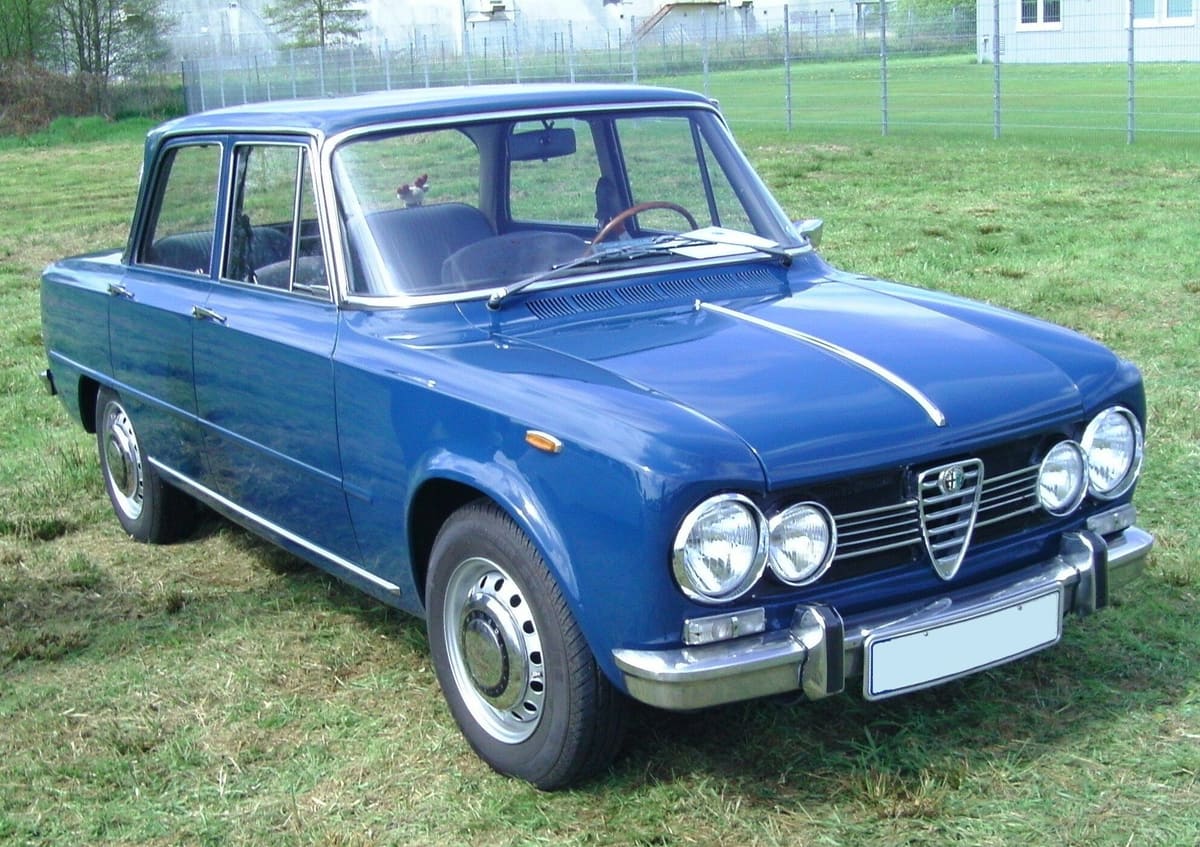
The Alfa Romeo Giulia is generally considered a stylish and engaging car, but how reliable is it? Year by year, the Giulia has shown mixed results in terms of dependability. While some owners report satisfaction with its performance, others have experienced issues that can affect long-term reliability.
Overview of Alfa Romeo Giulia Reliability
The Alfa Romeo Giulia, launched in 2015, has garnered attention for its striking design and sporty handling. However, its reliability ratings have varied across different model years.
The Giulia’s appeal lies in its driving experience, but potential buyers should be aware of the reliability concerns that have been reported. Factors such as build quality, engine performance, and electronic systems have all been noted as areas where issues may arise.
Reliability by Model Year
2015-2016 Models
The initial years of the Giulia’s production experienced a range of reliability issues. Many owners reported problems with the electrical systems, including dashboard warnings and infotainment glitches. Additionally, some early models had issues with the automatic transmission, which could lead to unexpected behaviour while driving.
Despite these concerns, the 2015-2016 Giulia models were praised for their performance and handling. Owners appreciated the sporty driving dynamics, but the reliability issues could deter potential buyers looking for a dependable vehicle.
2017 Models
By 2017, Alfa Romeo made efforts to address some of the reliability concerns that plagued earlier models. Improvements in build quality and software updates for the infotainment system were introduced. However, some owners still reported issues with the engine, particularly with the turbocharged variants.
The 2017 Giulia maintained its reputation for sporty handling and performance, but the lingering reliability concerns meant that potential buyers should be cautious. Checking the service history and ensuring any recalls or updates were completed is advisable for those considering this model year.
2018 Models
The 2018 Giulia saw further refinements, with Alfa Romeo focusing on enhancing the overall reliability of the vehicle. Reports indicated a decrease in electrical issues, and the automatic transmission received positive feedback for smoother operation. However, some owners still experienced problems with the adaptive cruise control and parking sensors.
This model year marked a turning point for the Giulia, as many owners began to report fewer issues compared to earlier models. The improvements in reliability made the 2018 Giulia a more attractive option for those seeking a blend of performance and dependability.
2019 Models
In 2019, the Giulia continued to build on the improvements made in previous years. Owners reported a significant reduction in electrical faults, and the overall reliability ratings began to rise. However, some concerns remained regarding the quality of interior materials and the longevity of certain components.
The 2019 model was well-received for its driving experience, and many owners expressed satisfaction with its performance. While it may not be as reliable as some competitors, the Giulia’s unique character and engaging driving dynamics still appealed to enthusiasts.
2020 and Beyond
The 2020 Giulia models showed a marked improvement in reliability, with many owners reporting a trouble-free experience. Alfa Romeo’s commitment to quality control and addressing previous issues seemed to pay off, resulting in a more dependable vehicle. However, as with any car, regular maintenance and servicing are crucial to ensuring long-term reliability.
The 2020 and later models have been praised for their performance and comfort, making them a strong contender in the premium saloon market. Prospective buyers should still conduct thorough research and consider the vehicle’s service history to ensure they are making a sound investment.
Common Issues Reported by Owners
While the Giulia has improved over the years, several common issues have been reported by owners across different model years. Electrical problems, particularly with the infotainment system and dashboard displays, have been a recurring theme. Additionally, some owners have experienced issues with the automatic transmission, especially in earlier models.
Another area of concern has been the quality of certain interior materials, which some owners have found to be less durable than expected. Regular maintenance and prompt attention to any warning signs can help mitigate these issues and enhance the overall reliability of the Giulia.
Maintenance and Servicing Considerations
To ensure the reliability of an Alfa Romeo Giulia, regular maintenance is essential. Following the manufacturer’s recommended service schedule can help identify potential issues before they escalate. Owners should also be vigilant about addressing any warning lights or unusual behaviour promptly.
When purchasing a used Giulia, it is advisable to check the service history for any completed recalls or repairs. A thorough inspection by a qualified mechanic can also provide peace of mind, ensuring that the vehicle is in good condition and free from common issues.
Final Thoughts on Giulia Reliability
The Alfa Romeo Giulia has evolved significantly since its launch, with reliability improving in later model years. While it may not match the dependability of some rivals, its unique blend of performance and style continues to attract enthusiasts. Potential buyers should weigh the Giulia’s strengths against its reliability concerns and consider their own priorities when making a decision.
For those who appreciate a sporty driving experience and are willing to invest in regular maintenance, the Giulia can be a rewarding choice. However, it is essential to remain informed about potential issues and ensure that any vehicle considered for purchase has been well cared for.
Alfa Romeo Giulia recall record
12 recalls have been issued for the Alfa Romeo Giulia, between 2018 and 2026.
Alfa Romeo Giulia cable (wiring harness) branch
R/2026/026Issued 13 February 2026
On affected vehicles due to a production nonconformity the wiring harness leading to the headlamp ECU could become damaged by tyre interference with the wheel arch liner which could result in error messages being displayed and a loss of headlamp low beam functionality.
Remedy:Inspect wiring harness and wheel arch liner for damage and repair or replace as necessary.
Affects cars built Jan 2024 to Dec 2024
Alfa Romeo Giulia and Stelvio. Lane Keep Assist acoustic signal
R/2025/496Issued 7 May 2025
Vehicle reliability and your safety are a major concern for Alfa Romeo. On a number of Alfa Romeo Giulia and Stelvio vehicles there is a requirement to update the software of the Instrument Panel Cluster. This is required to ensure that the acoustic emergency signal sounds after the Lane Keep Assist system is deactivated and ensure it complies with the regulatory requirements.
Remedy:The free of charge repair is the Alfa Romeo retailer will update the vehicle software. Alfa Romeo ref: F538.
Affects cars built Jan 2024 to Jul 2025
Affected vehicles equipped with the option BRM (carbon ceramic matrix brakes) may face a braking management issue due to unexpected control unit signals. This may potentially lead to a carbon ceramic disc rupture with a resultant risk of loss or degradation of braking performance.
R/2023/205Issued 11 July 2023
Affected vehicles equipped with the option BRM (carbon ceramic matrix brakes) may face a braking management issue due to unexpected control unit signals. This may potentially lead to a carbon ceramic disc rupture with a resultant risk of loss or degradation of braking performance.
Remedy:Reprogramme the BSM (Braking System Module) with updated Software.
Affects cars built Dec 2015 to Nov 2020
THE AUTOMATIC HEADLIGHT POSITION SENSORS MAY NOT HAVE BEEN CALIBRATED
R/2022/215Issued 9 September 2022
The automatic headlight position sensors may not have been calibrated and therefore the function does not comply with the requirements of ECE R48
Remedy:Recalibration of the automatic headlight position sensors and alignment of the headlights.
Affects cars built Nov 2020 to May 2022
8 older recalls not shown.
A recall applies to a build range, not to every car of this model. Check a registration to see whether one specific vehicle has an outstanding recall.
Alfa Romeo Giulia MOT record
From 7,114 recorded MOT tests, 12.4% failed.
| Registered | Tests | Failed | Median mileage |
|---|---|---|---|
| 2022 | 812 | 12.6% | 23,052 mi |
| 2021 | 656 | 12.0% | 28,384 mi |
| 2020 | 770 | 9.6% | 35,650 mi |
| 2019 | 1,439 | 11.5% | 43,326 mi |
| 2018 | 1,541 | 12.4% | 56,459 mi |
| 2017 | 1,896 | 14.1% | 62,319 mi |
Most common reasons for failure
- Tyre tread depth not in accordance with the requirements41.6%
- a brake lining or pad worn below 1.5mm16.1%
- Brake disc or drum excessively weakened, insecure or fractured15.2%
- A tyre seriously damaged13.8%
- A tyre cords visible or damaged13.3%
Figures cover every Alfa Romeo Giulia tested in the DVSA dataset, not this specific car. Check a registration for the actual history of one vehicle.
Alfa Romeo Giulia official figures
Median across 2 variants on sale, petrol.
- Combined economy
- 38.3 mpg
- WLTP median across variants
- CO2 emissions
- 167 g/km
- Sets the first-year tax rate
Official figures for new cars. Real economy varies with driving, load and conditions.
Frequently asked questions
How reliable is the Alfa Romeo Giulia?
The Alfa Romeo Giulia generally has a mixed reputation for reliability. While many owners report a satisfying driving experience, some have experienced issues with electrical components and build quality.
What are common problems with the Alfa Romeo Giulia?
Common issues reported by Giulia owners include problems with the infotainment system, electrical faults, and occasional suspension issues. Regular maintenance can help mitigate some of these concerns.
Is the Alfa Romeo Giulia expensive to maintain?
Maintenance costs for the Alfa Romeo Giulia can be higher than average, especially if you require specialist parts or services. It's advisable to budget for regular servicing and potential repairs.
How does the Giulia compare to other luxury saloons in terms of reliability?
Compared to other luxury saloons, the Giulia may not rank as highly in reliability. Brands like BMW and Audi often receive better reliability ratings, but the Giulia offers a unique driving experience that some buyers prefer.
What warranty options are available for the Alfa Romeo Giulia?
The Alfa Romeo Giulia typically comes with a standard manufacturer warranty that covers the vehicle for a set number of years or miles. It's worth checking with your dealer for specific details and any extended warranty options.
Are there any recalls for the Alfa Romeo Giulia?
Recalls are issued against individual vehicles rather than a model as a whole, so a model-level yes or no would be guesswork. Enter the registration on Honest Car Check and we check the DVSA record for that specific car. Where DVSA holds no status, confirm it with a franchised dealer using the VIN.
What should I look for when buying a used Alfa Romeo Giulia?
When buying a used Giulia, check for a full service history, any signs of previous repairs, and ensure all electrical systems are functioning properly. A thorough inspection by a qualified mechanic can also help identify potential issues.
What year to avoid Alfa Romeo Giulia?
While the Alfa Romeo Giulia generally has a good reputation, some early models from 2017 may have more reported issues. It's advisable to research specific model years and check for any common problems before making a purchase.
How long will the Alfa Romeo Giulia engine last?
With proper maintenance, most Alfa Romeo Giulias can last 150,000 to 200,000 miles or more. Regular servicing and addressing any issues promptly can help extend the lifespan of the engine significantly.
Sources
- DVSA anonymised MOT tests and results (Open Government Licence v3.0)
- VCA new car fuel consumption and emissions data (Open Government Licence v3.0)
- DVSA vehicle safety recalls (Open Government Licence v3.0)